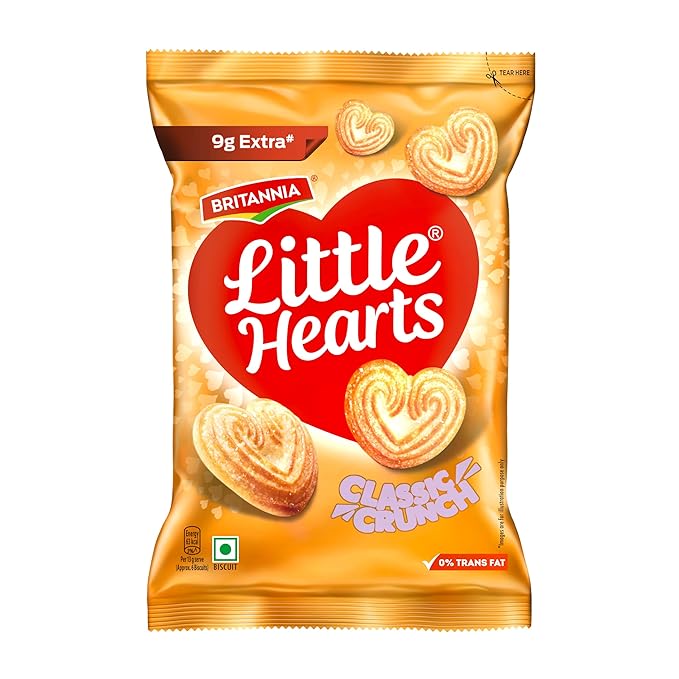
Pack image shown to identify the product. Decode Label is independent of Britannia and is not sponsored or endorsed by it. Trademarks
Brand owned by Wadia Group (India) · about the brand
Britannia Little Hearts
Decode Label Safety Score
How we got 1.5 ShowHide
Reviewed 3 times · Methodology v3.1 (updated 8 Oct 2026) — what changed
This biscuit product contains a significant amount of added sugar (23%), which is a primary nutritional concern, especially for children. While it provides energy, the high sugar content and the presence of refined palmolein and palm oil, which are high in saturated fat, make it less ideal for regular consumption. Individuals with specific dietary concerns related to sugar intake or saturated fat should consume this product in moderation.
At a glance
From the declared label — not a lab testFindings to weigh
High in added sugar and saturated fat; contains refined oils.
This biscuit contains 23% added sugar and uses refined palmolein and palm oil, contributing to high saturated fat. These factors make it a less healthy choice for frequent consumption, particularly for children and individuals monitoring their sugar and fat intake.
Consider this product carefully if you are
- Looking for a lower-sugar option — Added sugar is 23 g per 100 g.
- Avoiding certain additives or colours — Refined Palmolein & Palm Oil is declared.
Declared allergens: Milk and Gluten
Relevant if you have any of these allergies or intolerances.
Based on the declared ingredient list. This is a risk only to people with the allergy, not a general-population safety issue, so it does not lower the safety score.
Concern breakdown
Score out of 10 · higher = fewer concernsHow this product performs on each concern we check for food. This is a breakdown of the same evidence behind the score above — not a separate verdict.
Saturated fat 9.4 g · trans fat 0 g per 100 g/ml
Infants under 1
LimitThis product contains added sugar and iodised salt. Infants under 1 should avoid foods with added sugar and high sodium levels due to their developing kidneys and nutritional needs.
Toddlers & young children (1–5)
LimitThis product contains 23% added sugar. High intake of added sugars in young children can contribute to dental caries, unhealthy weight gain, and the development of a preference for sweet foods.
Why the score is capped
Very high added sugar
Rule F-CAP-01
Watch out for
High added sugar content (23%)
High saturated fat from refined palmolein and palm oil
Ingredient Concerns safety database
Sources cited below may be Indian (FSSAI) or international (EU, US, WHO, IARC) — an international classification or law is evidence, not an Indian regulatory finding.
Palm Oil
Palm oil is very high in saturated fatty acids (~50%), which raise LDL cholesterol and increase cardiovascular risk with regular high consumption. Refined palm oil can also carry processing contaminants (glycidyl esters and 3-MCPD esters), which EFSA assessed in 2016.
Regulatory & scientific authority Source: WHO; Harvard T.H. Chan School of Public Health; EFSA CONTAM opinion (2016)
Palm Oil: regulation, sources and other products →Wheat Flour
Wheat and wheat-derived ingredients contain gluten, which triggers an autoimmune response in people with celiac disease, causing intestinal damage. People with non-celiac gluten sensitivity (NCGS) or wheat allergy must also avoid this ingredient. Labelled as a major allergen by FSSAI.
Regulatory & scientific authority Source: FSSAI Food Labelling Regulations; Celiac Disease Foundation
Wheat Flour: regulation, sources and other products →Decode Label Analysis
This product contains 23% added sugar, which is a high amount and contributes significantly to daily sugar intake. High sugar consumption is linked to increased risk of obesity, type 2 diabetes, and dental caries.
Refined Palmolein & Palm Oil are high in saturated fat, which can contribute to elevated LDL cholesterol levels and increased risk of cardiovascular disease when consumed in excess.
Claim check
Front-of-pack marketing claims checked against this product's actual ingredients and nutrition. "Can't verify" means the label does not provide enough information to check the claim — it is not the same as the claim being false.
The label does not provide information about a standard quantity or previous packaging to compare against for the '9g Extra' claim.
The nutrition information states 0 g of trans fat per 100g.
Read straight from the back-of-pack photo — quantities, sections and any disguised terms, so the small print can’t hide behind the marketing.
-
1.
Refined Wheat FlourREFINED WHEAT FLOUR (MAIDA)
-
2.
Sugar 23%SUGAR (23%)
-
3.
Refined Palmolein & Palm OilREFINED PALMOLEIN & PALM OIL
-
4.
Raising AgentsAmmonium carbonates (INS 503), Sodium carbonates (INS 500)RAISING AGENTS [503(ii) & 500(ii)]
-
5.
Milk SolidsMILK SOLIDS
-
6.
Iodised SaltIODISED SALT
-
7.
YeastYEAST
-
8.
EmulsifierLecithin (INS 322)EMULSIFIER [322(i)]
In label order — normally largest quantity first. Select a row for the full write-up and sources.
These are major food allergens named on the ingredient list. They are a risk only to people allergic to them — not a general-population safety issue — so they do not lower the safety score. Anyone with the allergy should avoid this product, and check the pack’s own allergen statement.
✓ Decode Label Assessment: Favorable ⚠ Decode Label Assessment: Concern Decode Label Assessment: Neutral
Who should take caution
About this ingredient
No detailed safety data in our database yet for this ingredient.
Learn More
| Energy | 486 kcal |
| Protein | 7.4 g |
| Carbohydrate | 70 g |
| Total Sugars | 24 g |
| Added Sugars | 23 g |
| Total Fat | 19.5 g |
| Saturated Fat | 9.4 g |
| Trans Fat | 0 g |
| Sodium | 309 mg |
| Mono unsaturated fatty acids | 7.8 g |
| Poly unsaturated fatty acids | 2.1 g |
| Cholesterol | 0 mg |
Colour shows the per-100g level (green = low, amber = moderate, red = high), from the product's label.
Compare with other biscuits cookies products
Assessed using the same Decode Label methodology, sorted by score. Each score reflects the information available for that product at the time of assessment.
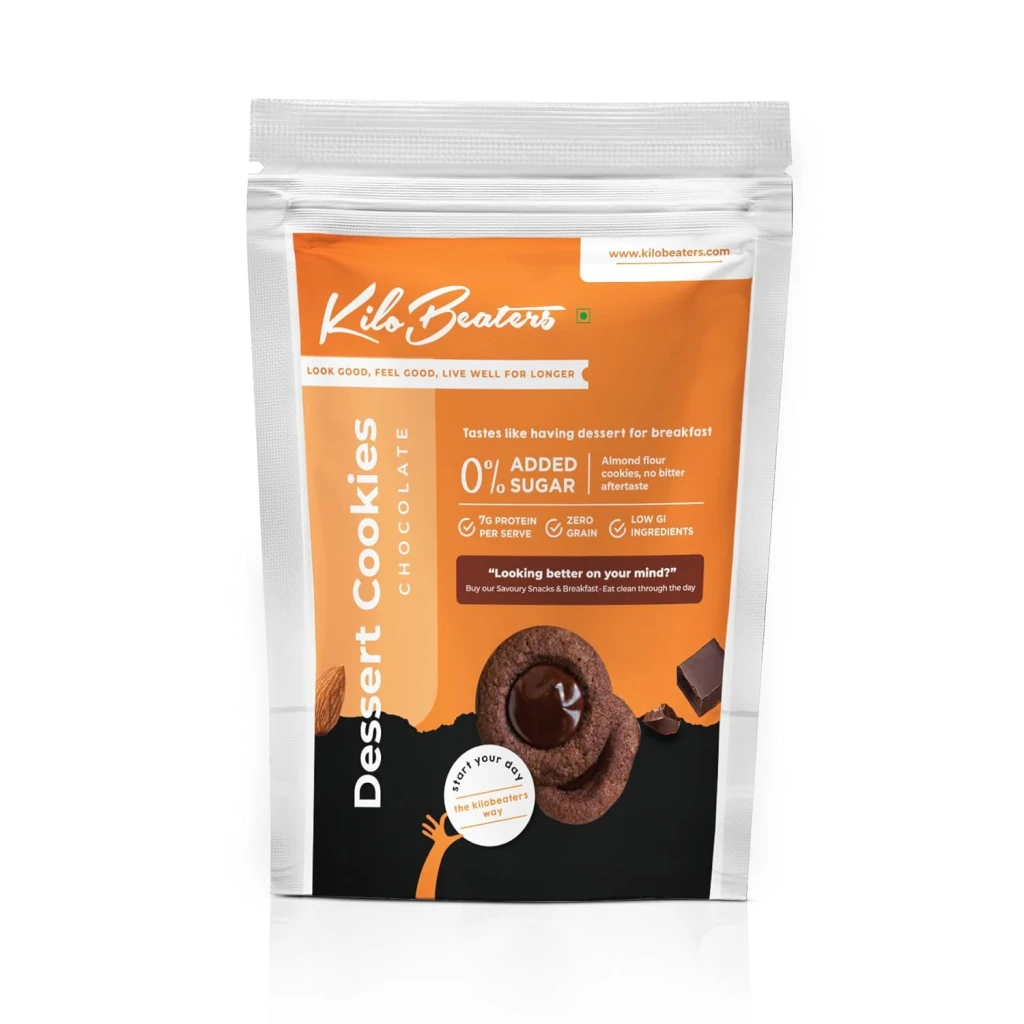
Kilobeaters Chocolate Dessert Cookies
9.4Kilobeaters
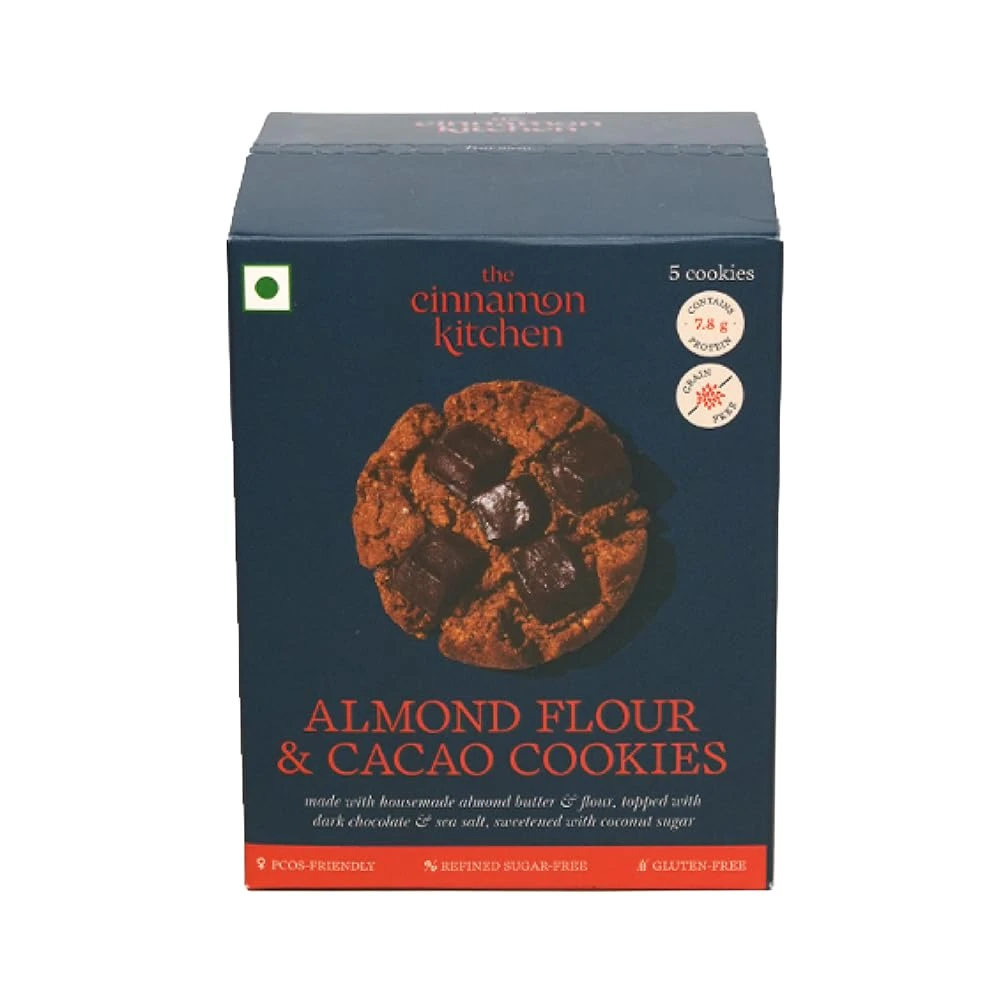
The Cinnamon Kitchen Almond Flour & Cacao Cookies
9.2The Cinnamon Kitchen
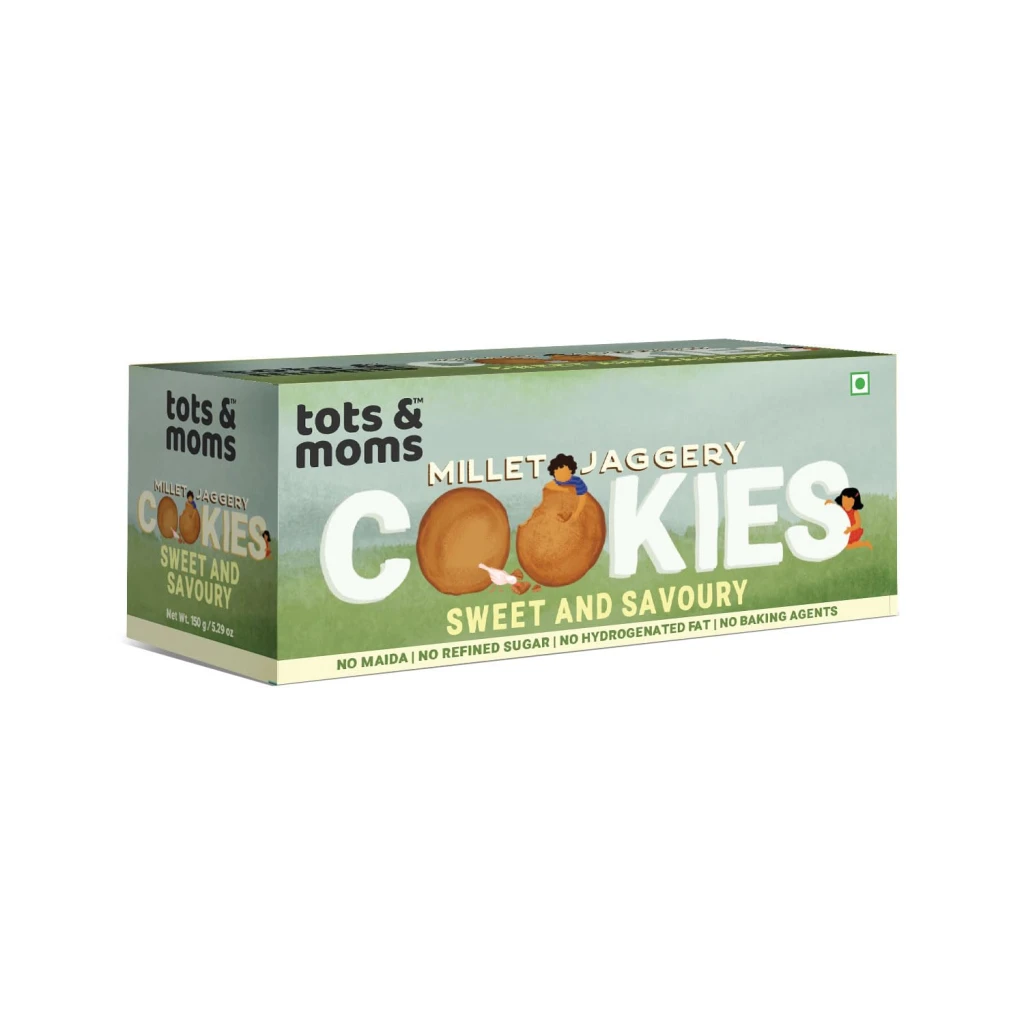
TOTS AND MOMS Foods Healthy, Wholesome & Nutritious Millet & Jaggery Cookies
8.6TOTS AND MOMS
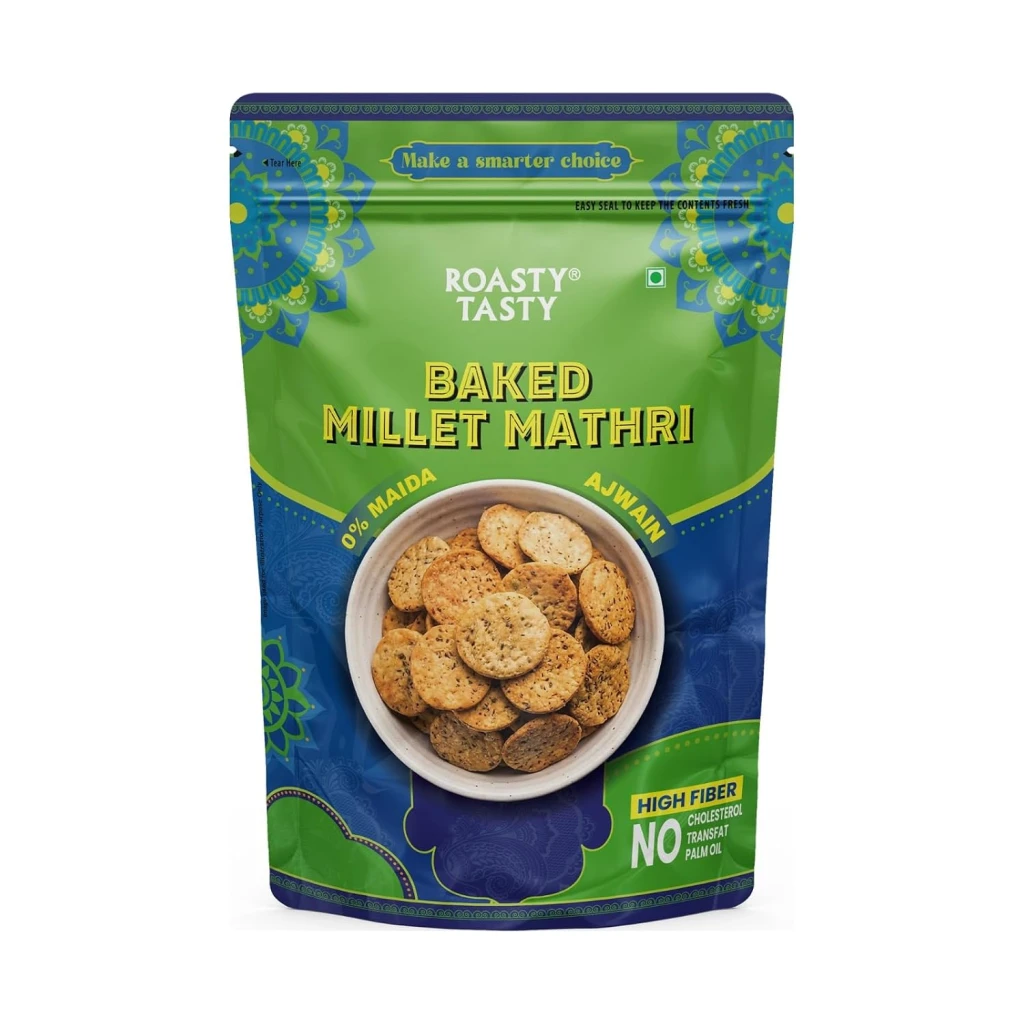
Baked Millet Mathri
8.1Roasty Tasty
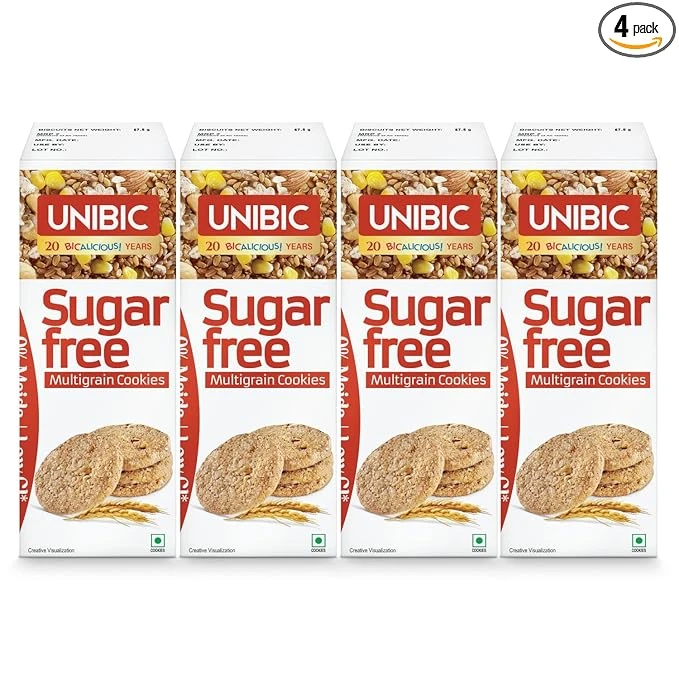
Unibic Sugar Free Multigrain Cookies
7.3Unibic
Also on this shelf
More Biscuits, Cookies & Crackers products we've analysed, in name order.
-
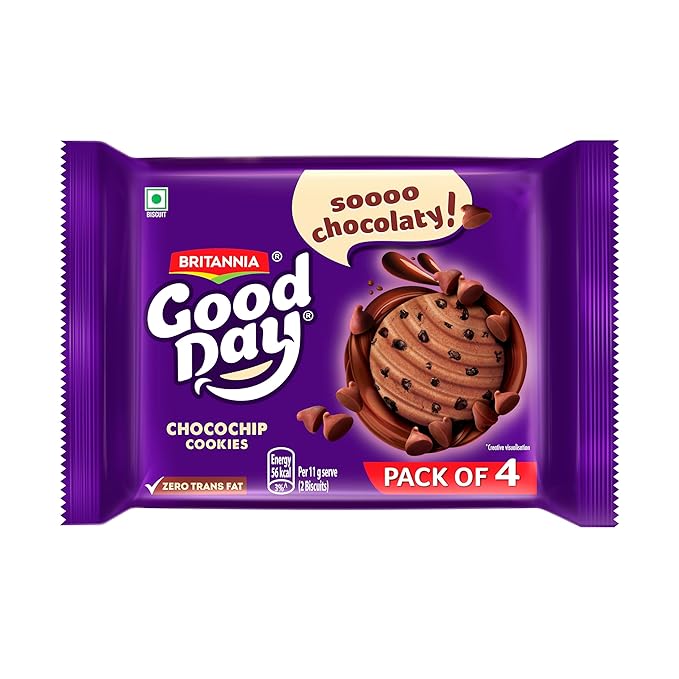 Britannia Britannia Good Day Choco Chip Cookies
See the analysis
-
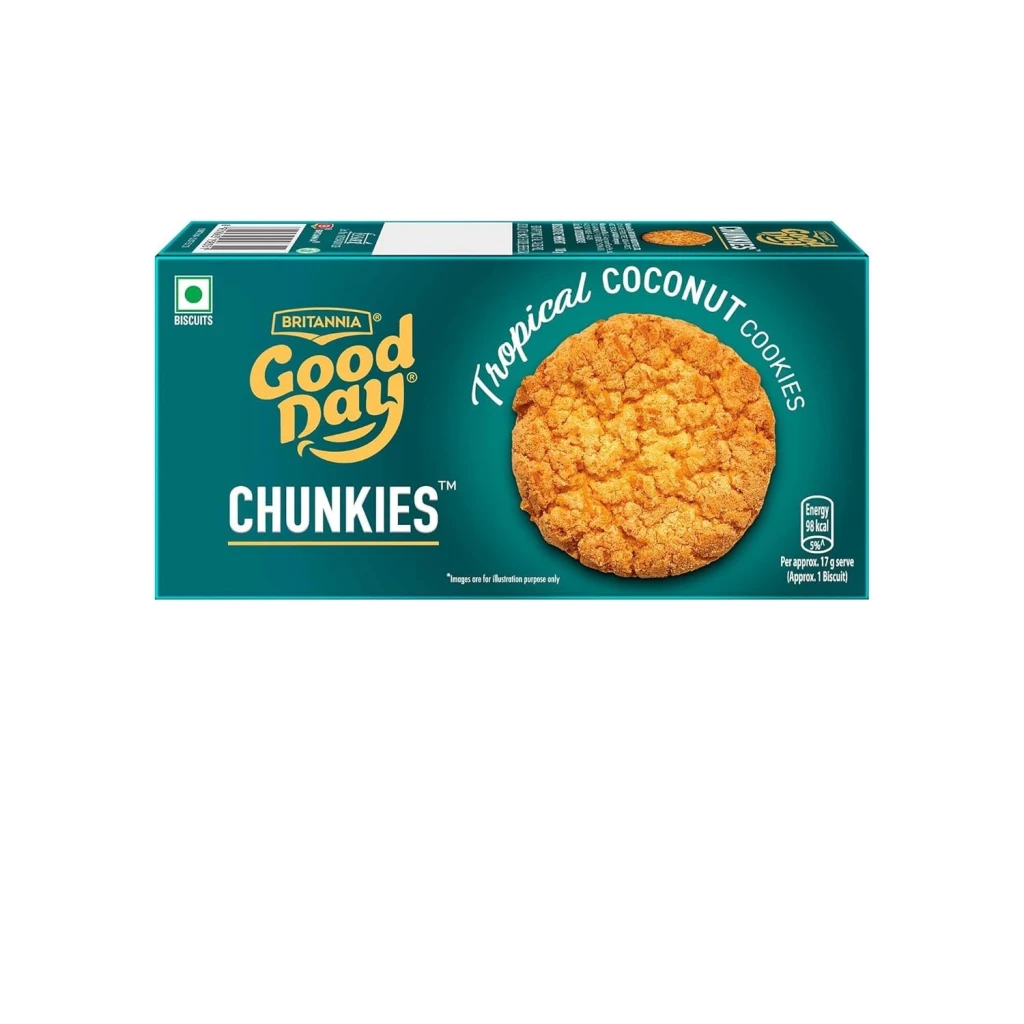 Britannia Britannia Good Day Chunkies Tropical Coconut Cookies
See the analysis
-
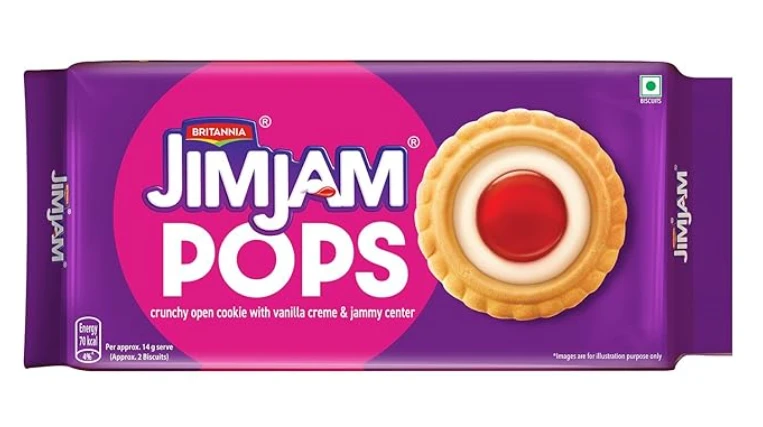 Britannia Britannia JimJam Pops - Crunchy Open Cookie with Vanilla crème and Jammy Center
See the analysis
-
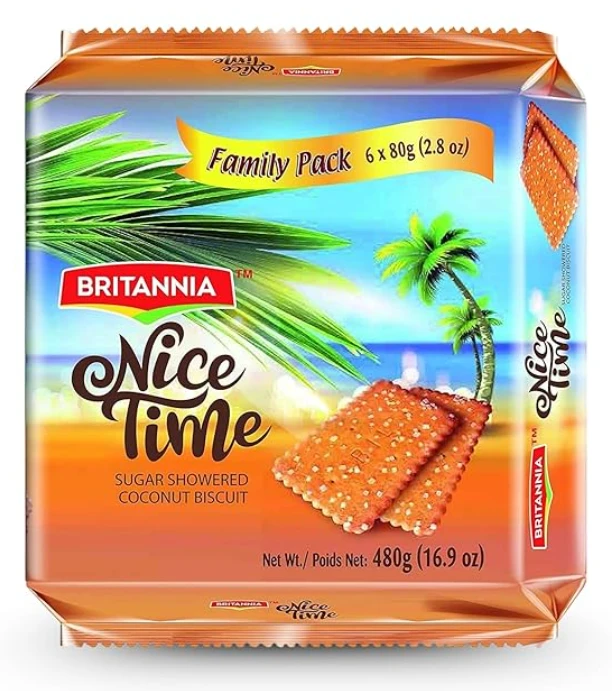 Britania Britannia Nice Time, 143g or 150g, Brown
See the analysis
-
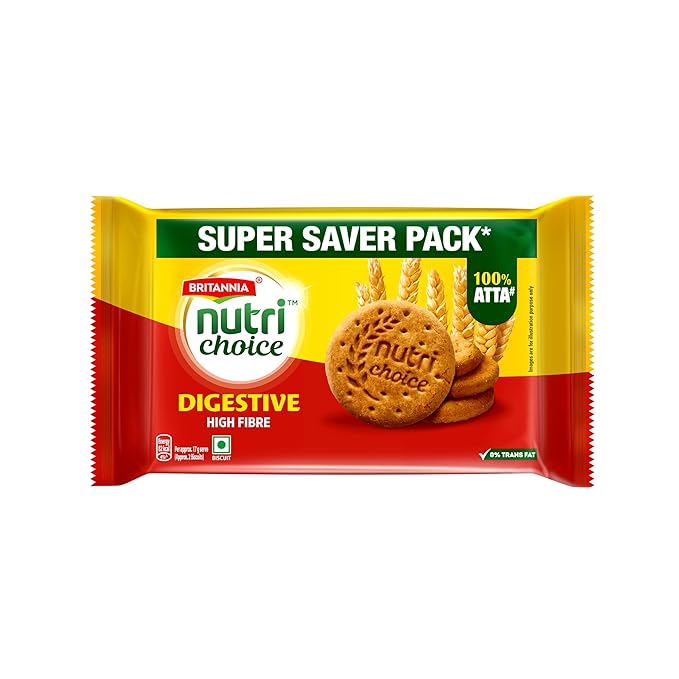 Britannia Britannia NutriChoice Digestive High Fibre Biscuits
See the analysis
-
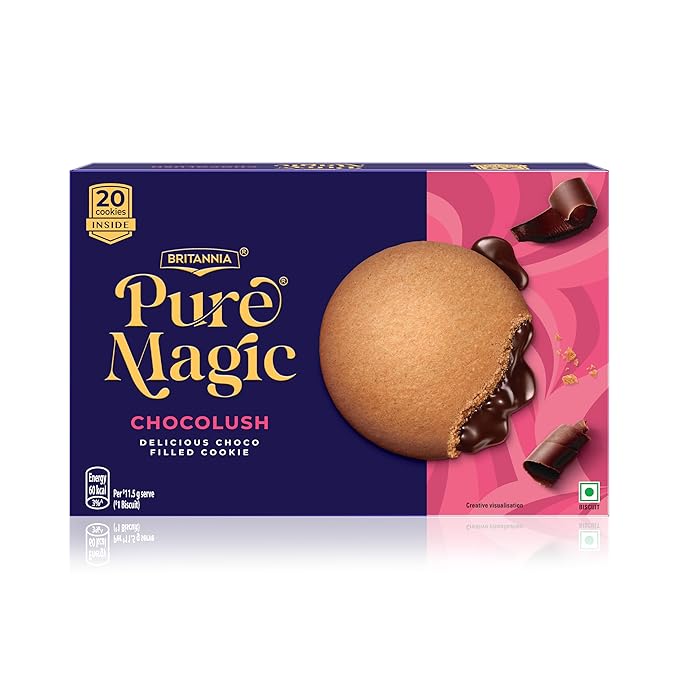 BRITANNIA BRITANNIA Pure Magic chocolush delicious choco filled cookie
See the analysis
What are the ingredients in Britannia Little Hearts?
The label of Britannia Little Hearts lists 8 ingredients, in label order: Refined wheat flour, Sugar, Refined Palmolein & Palm Oil, Raising Agents, Milk Solids, Iodised Salt, Yeast, Emulsifier. Flagged by the analysis: Refined Palmolein & Palm Oil.
Is Britannia Little Hearts safe to eat?
Britannia Little Hearts scores 1.5/10 on Decode Label (Concerning). This biscuit contains 23% added sugar and uses refined palmolein and palm oil, contributing to high saturated fat. These factors make it a less healthy choice for frequent consumption, particularly for children and individuals monitoring their sugar and fat intake.
Why does Britannia Little Hearts score 1.5/10?
What the analysis notes: High added sugar content (23%). High saturated fat from refined palmolein and palm oil.
Who should avoid Britannia Little Hearts?
The points the analysis notes are most relevant to: Diabetes; Heart conditions; Weight management; Sensitive to undisclosed additives; Milk allergy / lactose intolerance.
Is Britannia Little Hearts suitable for babies or young children?
Infants under 1: Limit. Toddlers & young children (1–5): Limit.
Does Britannia Little Hearts contain allergens?
Yes — the ingredient list contains milk (Milk Solids) and gluten (Refined wheat flour). Check the allergen statement on the pack too if you have a diagnosed allergy.
Does Britannia Little Hearts contain milk?
Yes — the ingredient list names Milk Solids. People with milk allergy / lactose intolerance should treat it as containing milk, and check the allergen statement on the pack too.
Does Britannia Little Hearts contain gluten?
Yes — the ingredient list names Refined wheat flour. People with gluten / wheat sensitivity (coeliac disease) should treat it as containing gluten, and check the allergen statement on the pack too.
Is Britannia Little Hearts high in sugar?
Yes — 24 g of total sugar per 100 g, above the 22.5 g per 100 g that UK front-of-pack labelling marks as high. The label declares 23 g of that as added sugar per 100 g.
Are the claims on the Britannia Little Hearts pack accurate?
Decode Label checked 2 claims against the ingredient list and nutrition panel. "9g Extra" — can't be verified from the label.
Is Britannia Little Hearts vegetarian?
Britannia Little Hearts is marked vegetarian.
Answers are generated from this product's own Decode Label analysis — the score, the ingredient list and the label claims shown above. Always check the pack itself for allergen and dietary information.
Reader reviews
How the product performed for people who used it — taste, value, everyday experience. Separate from the Decode Label score above, which rates what is on the label.
Sign in to leave a review.
Sign in →No reviews yet — be the first to share your experience.
Help us keep this accurate
Two quick questions about our analysis — not about the product.
Was this analysis helpful?
Tells us whether the breakdown above actually answered your question.
0 of 0 readers found this analysis helpful
Does your pack match this page?
Recipes change and packs get reformulated. If the ingredients or the panel on the pack in your hand differ from what we show, tell us and we will check it.
About this analysis: Based on declared label information and available evidence. Decode Label does not independently laboratory-test products, and a score is not a regulatory determination or medical advice.
Disclaimer: Safety scores are Decode Label-generated assessments based on publicly available regulatory data (FSSAI, WHO, EFSA, IARC) and peer-reviewed research. They are not a substitute for professional medical advice, and they are not a regulatory determination, a laboratory safety certification or a medical diagnosis. Ingredient safety can vary by individual health conditions, concentration, and usage context. Decode Label is an independent information service and scores every brand by the same rules. No brand pays for or influences its score. Our founder also founded the personal-care brand Botani Bestie (see our story); its products are scored exactly like everyone else's. Data limitations: This assessment is based on the information declared on the product label and the evidence sources above — Decode Label does not independently laboratory-test this product. Ingredient concentrations, sourcing and manufacturing can vary between batches and are not always disclosed. A finding that is not shown here means it was not identified from the available label information, not that it has been ruled out.
Report Error
If you believe this score is inaccurate, provide details below. Our team reviews every report and will update the rating if warranted.
Report submitted
Our team will review your report and update the rating if the evidence warrants it. Thank you for helping keep our data accurate.
Share this product
Britannia Little Hearts
Link copied — paste it in your Instagram bio or Story!