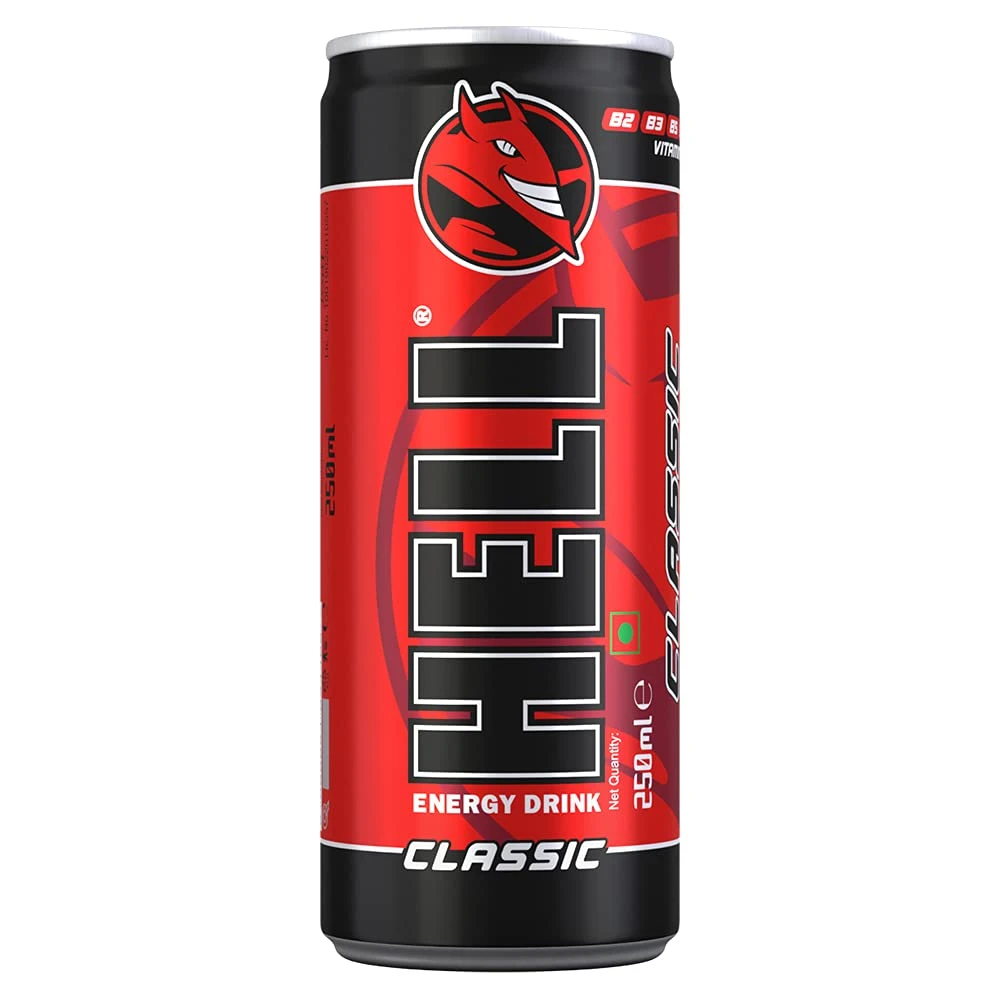
Pack image shown to identify the product. Decode Label is independent of HELL and is not sponsored or endorsed by it. Trademarks
Energy Drink Classic
Decode Label Safety Score
How we got 3.9 ShowHide
Methodology v3.1 (updated 8 Oct 2026) — what changed
This energy drink contains a significant amount of added sugar and caffeine, making it less suitable for regular consumption, especially for children and pregnant individuals. The presence of Ammonia Caramel (INS 150c), an ammonia-process caramel colour, is a notable concern due to its potential to generate 4-methylimidazole (4-MEI), which is classified by IARC as Group 2B (possibly carcinogenic to humans). While the label does not specify the concentration of 4-MEI, this classification warrants caution. For healthy adults, occasional consumption may be acceptable, but the high sugar and caffeine content should be considered.
At a glance
From the declared label — not a lab testFindings to weigh
What’s favorable
- Niacin (B3)
- Pantothenic Acid (B5)
- Vitamin B6
- Vitamin B2
- Vitamin B12
High added sugar and caffeine; contains IARC-classified ammonia caramel colour
The score is held down by this product's nutrition profile, which dominates the assessment regardless of the rest of the formulation. This energy drink contains a high amount of added sugar and caffeine, which can be problematic for children, pregnant women, and individuals sensitive to stimulants. It also includes Ammonia Caramel (INS 150c), a colour that may contain 4-methylimidazole, classified by IARC as a possible human carcinogen.
Consider this product carefully if you are
- Avoiding certain additives or colours — Ammonia Caramel is declared.
Personal check · free
Is this right for you or your family?
Just checking whether the product is safe? The analysis above is yours, no account needed. To know if it is safe for you, your father or your child, add a profile and we check this label against them.
- Allergies. Peanut, milk, gluten, egg and more, checked against the ingredient list.
- Diet. Vegetarian, vegan, Jain, no egg, no dairy.
- Health and goals. Sugar, salt, protein, steady blood sugar, heart-friendly, weight.
- Everyone you buy for. Save a profile for Papa or the kids and switch in one tap.
Concern breakdown
Score out of 10 · higher = fewer concernsHow this product performs on each concern we check for beverage. This is a breakdown of the same evidence behind the score above — not a separate verdict.
Infants under 1
AvoidContains added sugar, which is not recommended for infants under 1 year of age.
Toddlers & young children (1–5)
LimitHigh added sugar content should be limited in the diets of young children, for dental health and to avoid establishing a preference for very sweet foods.
Other audiences
AvoidContains caffeine and high added sugar, which are not recommended for this age group due to potential adverse effects on sleep, behaviour, and overall health.
Contains caffeine, with a recommended limit of 200 mg/day during pregnancy. High sugar intake is also a concern.
Why the score is capped
Contains ammonia caramel colour (E150c/d) — which can generate 4-MEI during manufacture — IARC classifies 4-MEI as Group 2B (possibly carcinogenic to humans); this label does not state its concentration
Rule F-CAP-10 · Source: IARC / EFSA classification of the additive
Acidity regulator not disclosed — the label does not say which substance this is
Rule F-CAP-13
High caffeine / added-stimulant load for an energy-type drink
Rule F-CAP-11
What's good
Contains several B vitamins (Niacin, Pantothenic Acid, Vitamin B6, Vitamin B2, Vitamin B12) which contribute to normal energy metabolism.
Watch out for
High added sugar content, contributing to overall sugar intake.
Contains caffeine, a stimulant that may not be suitable for all individuals, especially children and pregnant women.
Presence of Ammonia Caramel (INS 150c), which is associated with 4-methylimidazole (4-MEI), an IARC Group 2B possible carcinogen.
Contains artificial flavours.
Ingredient Concerns safety database
Sources cited below may be Indian (FSSAI) or international (EU, US, WHO, IARC) — an international classification or law is evidence, not an Indian regulatory finding.
Caramel Colour (Class III & IV) (E150c)
Classes III and IV of caramel colour (INS 150c/150d) are made with ammonia, a process that can generate 4-methylimidazole (4-MEI) as a by-product. IARC classifies 4-MEI as Group 2B, possibly carcinogenic to humans, and California lists it under Proposition 65 with a warning threshold — though EFSA's own re-evaluation did not reach the same level of concern as IARC's classification. This label does not state the product's 4-MEI concentration, so exposure from this specific product cannot be determined from the ingredient list alone. It is the colour that makes colas and dark sauces brown. Classes I and II are made without ammonia and do not carry this concern.
Regulatory & scientific authority Source: IARC Monograph Vol. 101 (4-MEI); California Proposition 65; EFSA re-evaluation of caramel colours (2011)
Caramel Colour (Class III & IV): regulation, sources and other products →Caramel Colour (Class III and IV) (150c)
The ammonia and sulphite-ammonia caramel colours (classes III and IV) can contain 4-methylimidazole, a by-product that the International Agency for Research on Cancer classifies as possibly carcinogenic to humans (Group 2B) on the basis of animal studies. The EU food safety authority sets limits on it in these colours. Plain caramel (class I, E150a) is made without ammonia and is a different substance.
Regulatory & scientific authority Source: IARC Monographs Volume 101 (2012), 4-methylimidazole; EFSA Scientific Opinion on the re-evaluation of caramel colours (E 150a-d), EFSA Journal 2011;9(3):2004
Caramel Colour (Class III and IV): regulation, sources and other products →Added Sugars
Sugars added to food, and the sugars in honey, syrups and fruit juice concentrates, are "free sugars". The WHO guideline recommends that they stay below 10% of total energy intake and suggests below 5% for additional benefit. Where the sugar sits in the ingredient list and how many grams the panel declares is what matters; this is information, because the nutrition score already prices the grams.
Regulatory & scientific authority Source: WHO, Guideline: Sugars intake for adults and children (2015)
Added Sugars: regulation, sources and other products →Caffeine
The EU food safety authority found that up to 400 mg of caffeine a day (about 3 mg per kg of body weight a day in children and adolescents) does not raise safety concerns, and that pregnant and breastfeeding women should stay at or below 200 mg a day. Caffeine added to a drink or supplement counts toward that total alongside coffee and tea. Energy drinks and fat-burner stacks are judged by their own caps; this record explains the substance.
Regulatory & scientific authority Source: EFSA Scientific Opinion on the safety of caffeine, EFSA Journal 2015;13(5):4102
Caffeine: regulation, sources and other products →Decode Label Analysis
Contains Ammonia Caramel (INS 150c), an ammonia-process caramel colour. This type of caramel can generate 4-methylimidazole (4-MEI), which is classified by IARC as Group 2B (possibly carcinogenic to humans). The label does not state the concentration of 4-MEI.
Contains caffeine, a stimulant. High intake can lead to adverse effects such as nervousness, insomnia, and increased heart rate, especially in sensitive individuals, children, and pregnant women. The adult limit is about 400 mg/day, 200 mg in pregnancy, and 3 mg per kg for children.
Contains a significant amount of added sugar. The WHO advises keeping free sugar intake under 10% of total energy, ideally under 5%.
Claim check
Front-of-pack marketing claims checked against this product's actual ingredients and nutrition. "Can't verify" means the label does not provide enough information to check the claim — it is not the same as the claim being false.
The term 'Classic' refers to a flavor or variant name, which cannot be verified from the ingredient list or nutrition facts.
The ingredients list includes Niacin (B3), Pantothenic Acid (B5), B6, B2, and B12.
Read straight from the back-of-pack photo — quantities, sections and any disguised terms, so the small print can’t hide behind the marketing.
-
1.
Water
-
2.
Sugar
-
3.
Citric AcidAcidulant (Citric acid)
-
4.
Carbon Dioxide
-
5.
Taurine 0.4% trace amountTaurine (0.4%)
-
6.
Acidity RegulatorAcidity Regulator (Sodium citrates)
-
7.
Caffeine 0.03% trace amountCaffeine (0.03%)
-
8.
Flavours (natural and artificial)
-
9.
Ammonia Caramel synthetic colourAmmonia caramel (INS 150C)Colour (Ammonia Caramel INS E150c)
-
10.
Niacin (B3)Vitamins [Niacin (B3)
-
11.
Pantothenic Acid (B5)
-
12.
Vitamin B6B6
-
13.
Vitamin B2B2
-
14.
Vitamin B12B12]
Trace amounts: some named ingredients appear in token quantities or low in the list. At these concentrations a meaningful benefit is unlikely, and their front-of-pack prominence may not reflect their level in the formulation.
In label order — normally largest quantity first. Select a row for the full write-up and sources.
✓ Decode Label Assessment: Favorable ⚠ Decode Label Assessment: Concern Decode Label Assessment: Neutral
Who should take caution
About this ingredient
Declared on this label as
No detailed safety data in our database yet for this ingredient.
Learn More
| Energy | 46 kcal |
| Protein | 0 g |
| Carbohydrate | 10.9 g |
| Total Sugars | 10.9 g |
| Total Fat | 0 g |
| Saturated Fat | 0 g |
| Trans Fat | 0 g |
| Taurine | 400 mg |
| Caffeine | 30 mg |
| Niacin | 2.4 mg |
| Pantothenic acid | 2 mg |
| Vitamin B6 | 0.4 mg |
| Vitamin B2 | 0.2 mg |
| Vitamin B12 | 0.2 µg |
Colour shows the per-100g level (green = low, amber = moderate, red = high), from the product's label.
Compare with other energy drink products
Assessed using the same Decode Label methodology, sorted by score. Each score reflects the information available for that product at the time of assessment.
Also on this shelf
More Energy & Sports Drink products we've analysed, in name order.
-
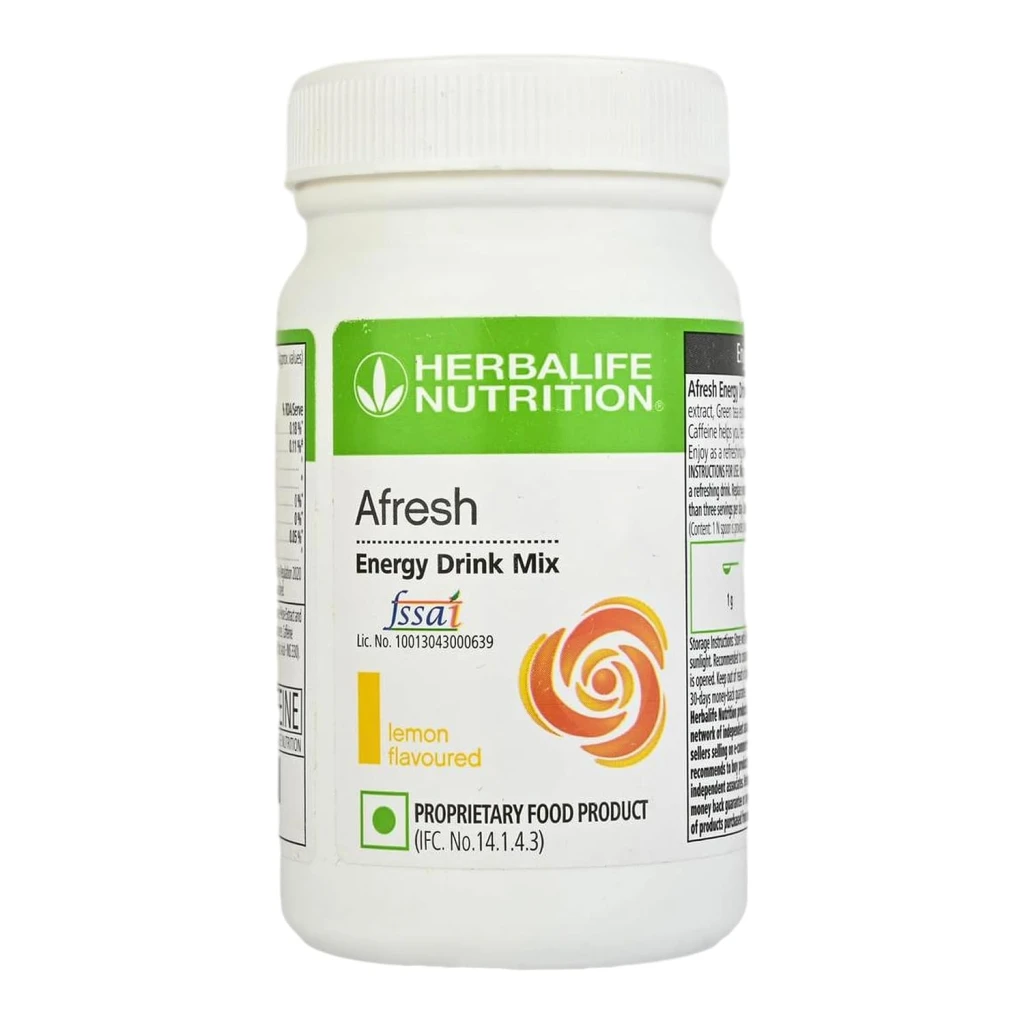 HERBALIFE NUTRITION Afresh Energy Drink Mix lemon flavoured
See the analysis
-
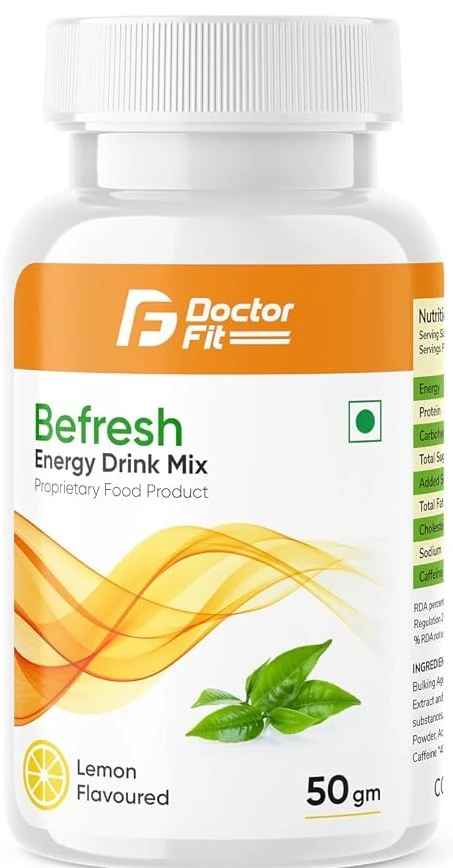 Doctor Fit Befresh Energy Drink Mix Lemon Flavoured
See the analysis
-
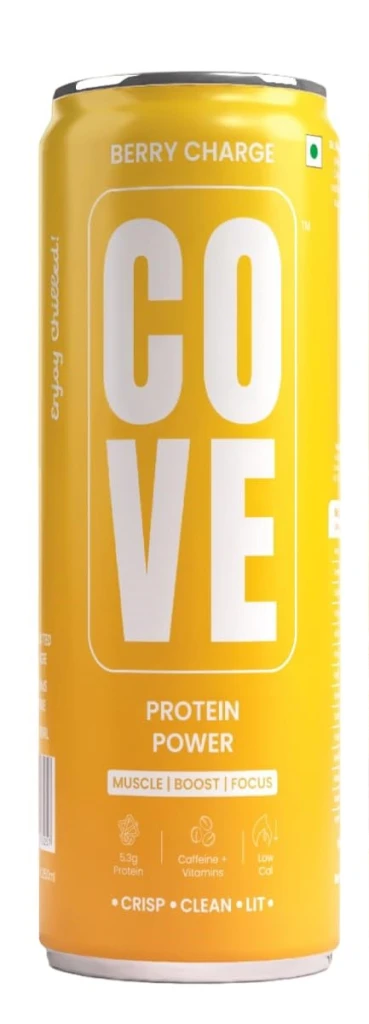 COVE Berry Charge Protein Power
See the analysis
-
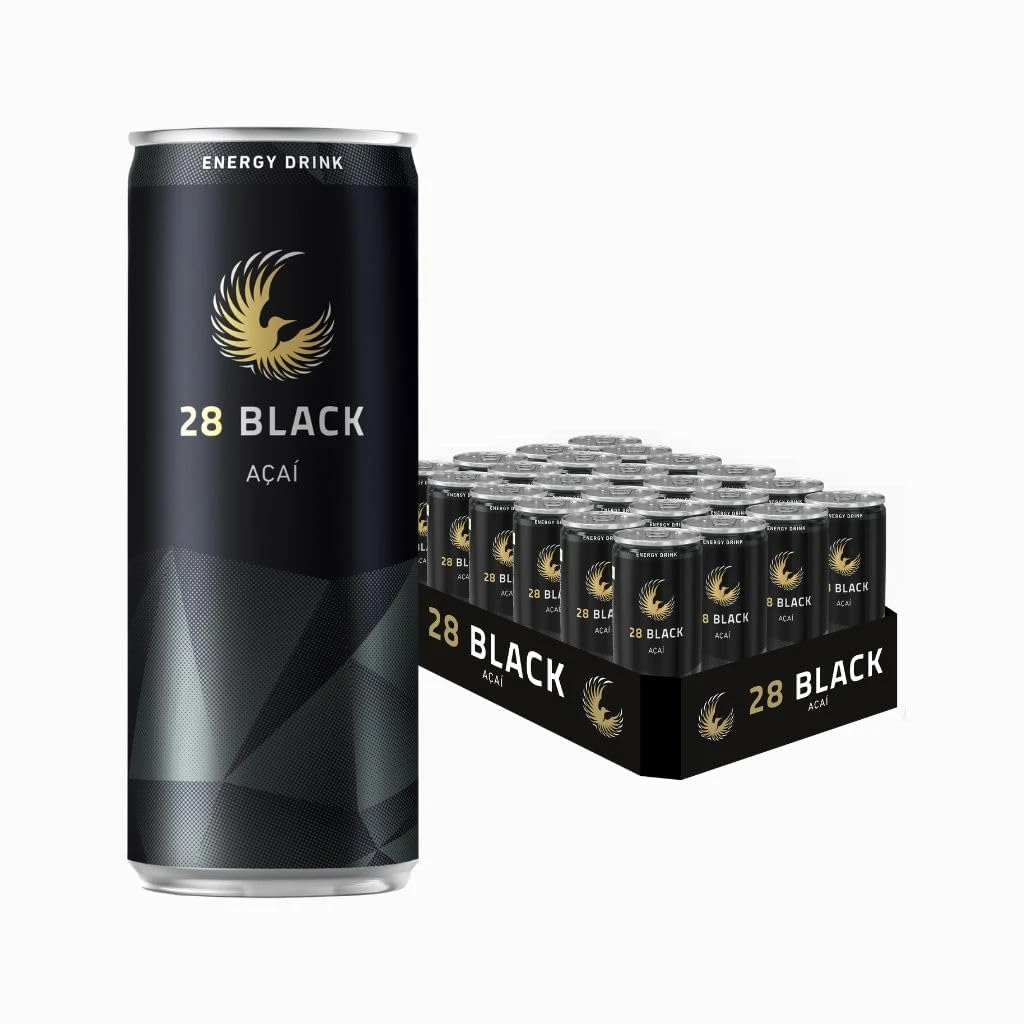 28 BLACK Energy Drink Açaí
See the analysis
-
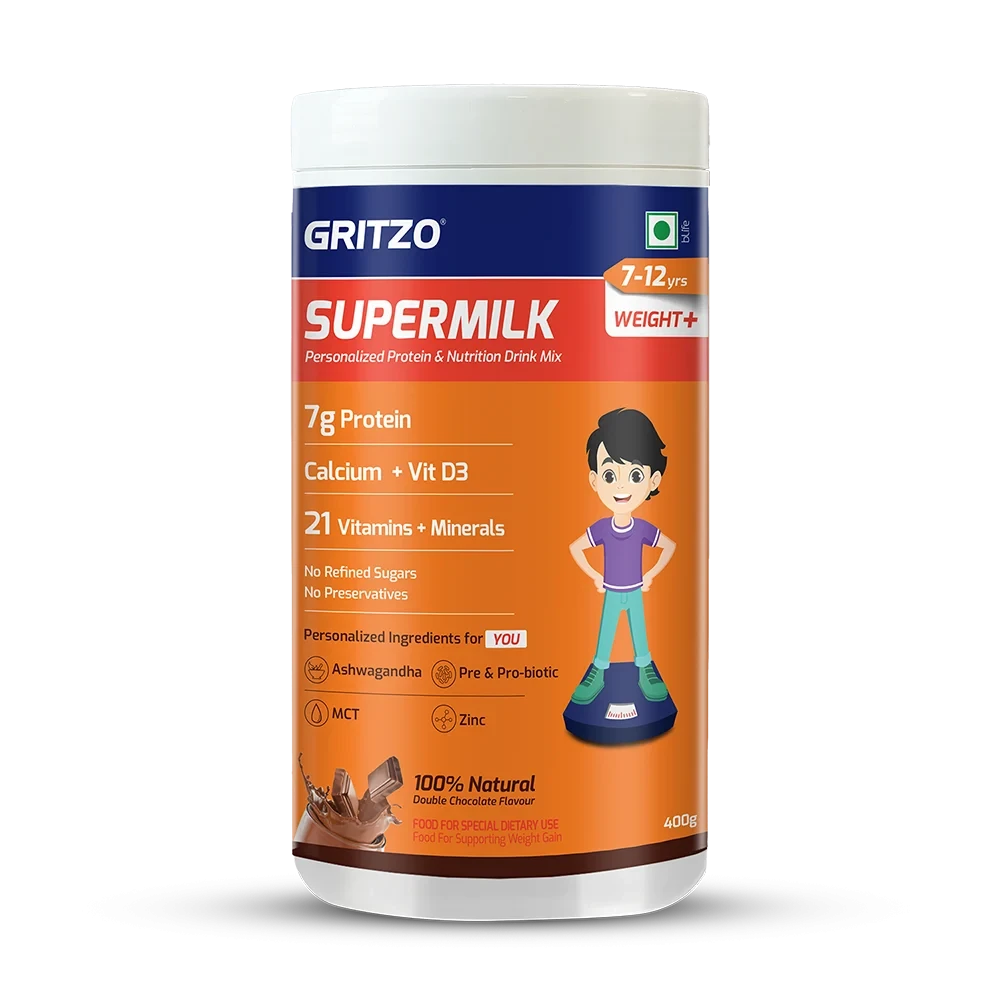 Gritzo Gritzo SuperMilk
See the analysis
-
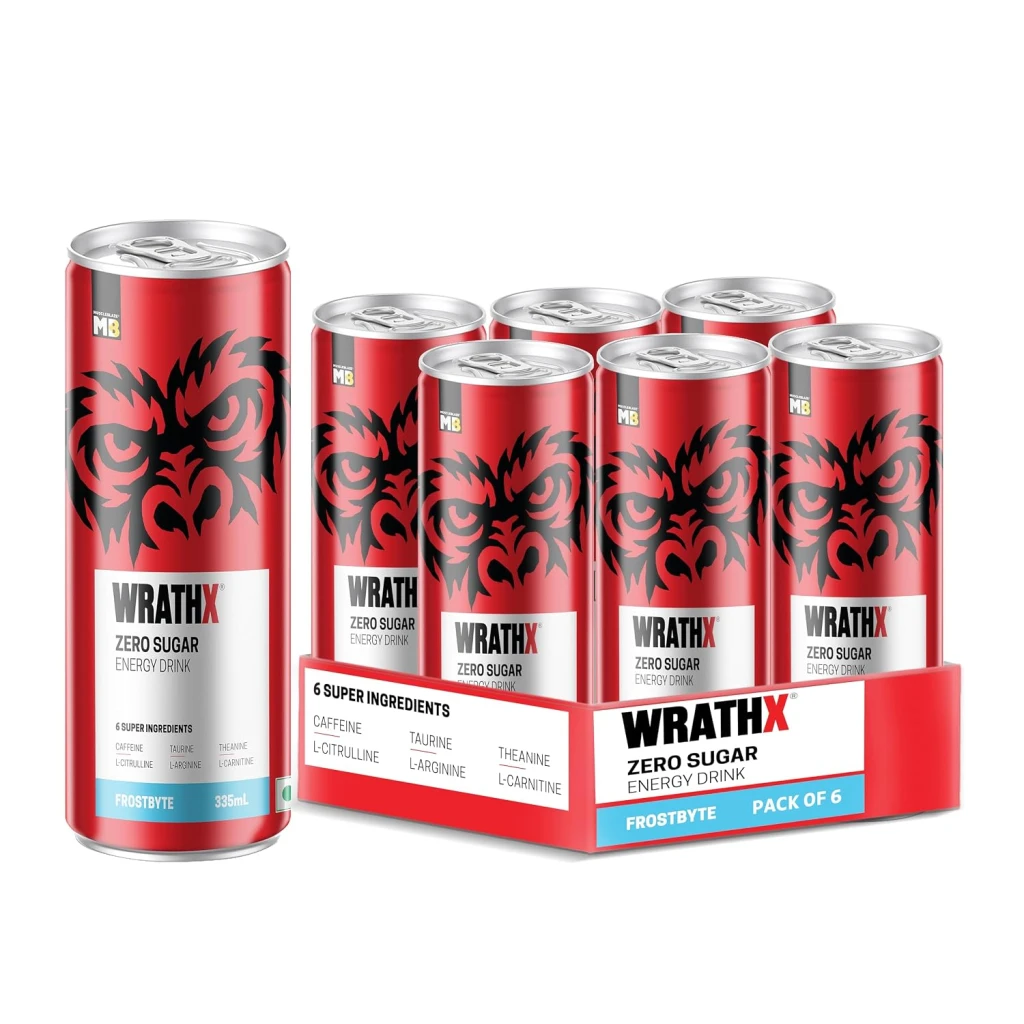 MuscleBlaze MuscleBlaze WRATHX Zero Sugar Energy Drink Frostbyte
See the analysis
What are the ingredients in Energy Drink Classic?
The label of Energy Drink Classic lists 14 ingredients, in label order: Water, Sugar, Citric Acid, Carbon Dioxide, Taurine, Acidity Regulator, Caffeine, Flavours (natural and artificial), Ammonia Caramel, Niacin (B3), Pantothenic Acid (B5), Vitamin B6, Vitamin B2, Vitamin B12. Flagged by the analysis: Caffeine, Ammonia Caramel.
Is Energy Drink Classic safe to eat?
Energy Drink Classic scores 3.9/10 on Decode Label (Concerning). The score is held down by this product's nutrition profile, which dominates the assessment regardless of the rest of the formulation. This energy drink contains a high amount of added sugar and caffeine, which can be problematic for children, pregnant women, and individuals sensitive to stimulants. It also includes Ammonia Caramel (INS 150c), a colour that may contain 4-methylimidazole, classified by IARC as a possible human carcinogen.
Why does Energy Drink Classic score 3.9/10?
Flagged in the score: Contains caffeine, a stimulant that may not be suitable for all individuals, especially children and pregnant women. Presence of Ammonia Caramel (INS 150c), which is associated with 4-methylimidazole (4-MEI), an IARC Group 2B possible carcinogen. Also noted: High added sugar content, contributing to overall sugar intake.
Who should avoid Energy Drink Classic?
The points the analysis notes are most relevant to: Children and adolescents; Pregnant or breastfeeding individuals; Sensitive to caffeine or stimulants; Avoiding IARC Group 2B caramel-colour additives; Seeking full ingredient transparency.
Is Energy Drink Classic suitable for babies or young children?
Infants under 1: Avoid. Toddlers & young children (1–5): Limit.
How much sugar is in Energy Drink Classic?
10.9 g of total sugar per 100 ml. The label does not declare added sugar separately, so we cannot say how much of it is added.
Does Energy Drink Classic contain caffeine?
Yes — the ingredient list names Caffeine, a source of caffeine. Check the pack for the amount per serving, especially when buying for children or during pregnancy.
Are the claims on the Energy Drink Classic pack accurate?
Decode Label checked 2 claims against the ingredient list and nutrition panel. "Classic" — can't be verified from the label.
Answers are generated from this product's own Decode Label analysis — the score, the ingredient list and the label claims shown above. Always check the pack itself for allergen and dietary information.
Reader reviews
How the product performed for people who used it — taste, value, everyday experience. Separate from the Decode Label score above, which rates what is on the label.
Sign in to leave a review.
Sign in →No reviews yet — be the first to share your experience.
Help us keep this accurate
Two quick questions about our analysis — not about the product.
Was this analysis helpful?
Tells us whether the breakdown above actually answered your question.
0 of 0 readers found this analysis helpful
Does your pack match this page?
Recipes change and packs get reformulated. If the ingredients or the panel on the pack in your hand differ from what we show, tell us and we will check it.
About this analysis: Based on declared label information and available evidence. Decode Label does not independently laboratory-test products, and a score is not a regulatory determination or medical advice.
Disclaimer: Safety scores are Decode Label-generated assessments based on publicly available regulatory data (FSSAI, WHO, EFSA, IARC) and peer-reviewed research. They are not a substitute for professional medical advice, and they are not a regulatory determination, a laboratory safety certification or a medical diagnosis. Ingredient safety can vary by individual health conditions, concentration, and usage context. Decode Label is an independent information service and scores every brand by the same rules. No brand pays for or influences its score. Our founder also founded the personal-care brand Botani Bestie (see our story); its products are scored exactly like everyone else's. Data limitations: This assessment is based on the information declared on the product label and the evidence sources above — Decode Label does not independently laboratory-test this product. Ingredient concentrations, sourcing and manufacturing can vary between batches and are not always disclosed. A finding that is not shown here means it was not identified from the available label information, not that it has been ruled out.
Report Error
If you believe this score is inaccurate, provide details below. Our team reviews every report and will update the rating if warranted.
Report submitted
Our team will review your report and update the rating if the evidence warrants it. Thank you for helping keep our data accurate.
Share this product
Energy Drink Classic
Link copied — paste it in your Instagram bio or Story!