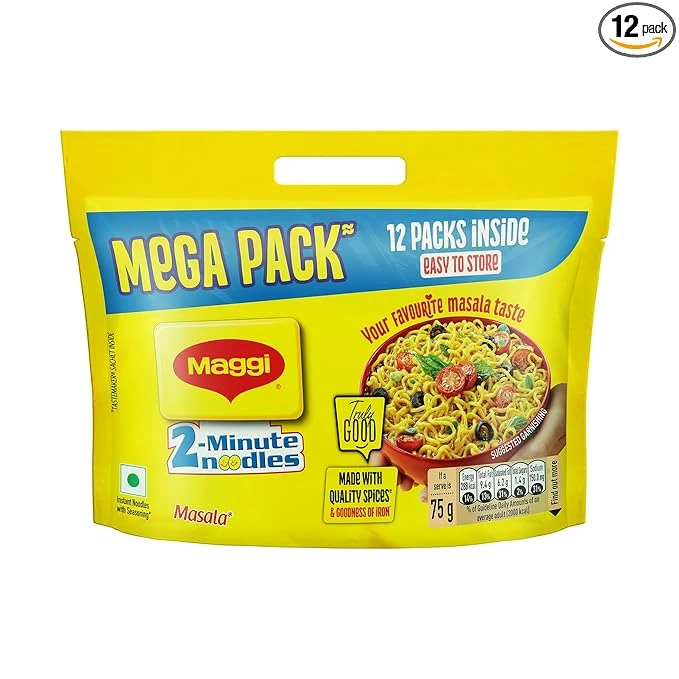
Pack image shown to identify the product. Decode Label is independent of Nestlé and is not sponsored or endorsed by it. Trademarks
Brand founded in Switzerland, 1866 · about the brand
Maggi 2 min noodles Masala Taste
Decode Label Safety Score
How we got 3.6 ShowHide
Reviewed 7 times · Methodology v3.1 (updated 8 Oct 2026) — what changed
This instant noodle product contains several ingredients that warrant caution, particularly the ammonia sulphite caramel colour, which is associated with a possible carcinogen. Individuals with kidney or heart conditions should be mindful of the phosphate and potassium additives, and those prone to gout should limit consumption due to purine-based flavour enhancers. While it offers convenience, it's a highly processed food with a significant sodium load and saturated fat from palm oil, making it less suitable for regular consumption as part of a healthy diet.
At a glance
From the declared label — not a lab testFindings to weigh
What’s favorable
- Onion powder
- Coriander powder
- Red chilli powder
- Turmeric powder
- Garlic powder
- +9 more →
Highly processed instant noodles with possible carcinogen and multiple additives
This instant noodle product contains sulphite ammonia caramel, which can form 4-MEI, classified by IARC as a Group 2B possible human carcinogen. It also includes several additives like phosphates and purine-based flavour enhancers that may pose risks for individuals with certain health conditions. The product is high in sodium and saturated fat, typical of processed foods, and should be consumed in moderation.
Consider this product carefully if you are
- Avoiding certain additives or colours — Disodium inosinate and Disodium guanylate are declared.
Declared allergens: Peanuts, Gluten and Sulphites
People with these allergies should avoid it and check the pack’s own allergen statement.
Based on the declared ingredient list. This is a risk only to people with the allergy, not a general-population safety issue, so it does not lower the safety score.
Concern breakdown
Score out of 10 · higher = fewer concernsHow this product performs on each concern we check for food. This is a breakdown of the same evidence behind the score above — not a separate verdict.
Saturated fat 8.2 g · trans fat 0.1 g per 100 g/ml
Toddlers & young children (1–5)
AvoidHigh sodium content from Iodized Salt, Sodium carbonate, and Sodium tripolyphosphate is not suitable for young children, whose kidneys are still developing and cannot process high salt loads effectively.
The presence of added Sugar contributes to overall sugar intake, which should be limited in young children's diets to prevent dental issues and promote healthy eating habits.
Why the score is capped
Contains ammonia caramel colour (E150c/d) — which can generate 4-MEI during manufacture — IARC classifies 4-MEI as Group 2B (possibly carcinogenic to humans); this label does not state its concentration
Rule F-CAP-10 · Source: IARC / EFSA classification of the additive
What's good
Contains a wide variety of natural spices for flavour
Watch out for
High sodium content from multiple sources
High saturated fat from palm oil
Presence of multiple food additives
Contains gluten, unsuitable for celiac disease or gluten sensitivity
Ingredient Concerns safety database
Sources cited below may be Indian (FSSAI) or international (EU, US, WHO, IARC) — an international classification or law is evidence, not an Indian regulatory finding.
Peanuts
Peanut allergy is one of the most common and severe food allergies, capable of causing anaphylaxis — a potentially fatal allergic reaction. Even trace amounts (cross-contamination) can trigger reactions. Peanut allergy is usually lifelong and requires strict avoidance. Always carry an epinephrine auto-injector if allergic.
Regulatory & scientific authority Source: FSSAI; FDA; Allergy & Asthma Network
Peanuts: regulation, sources and other products →Disodium Inosinate (E631)
Disodium inosinate is a nucleotide flavour enhancer derived from meat or fish. High in purines; individuals with gout or elevated uric acid should avoid products containing this additive.
Regulatory & scientific authority Source: EFSA INS 631
Disodium Inosinate: regulation, sources and other products →Disodium Guanylate (E627)
Disodium guanylate is a nucleotide flavour enhancer high in purines. Often found alongside MSG or E635. Gout sufferers and those with kidney stones should avoid foods containing E627.
Regulatory & scientific authority Source: EFSA INS 627
Disodium Guanylate: regulation, sources and other products →Palm Oil
Palm oil is very high in saturated fatty acids (~50%), which raise LDL cholesterol and increase cardiovascular risk with regular high consumption. Refined palm oil can also carry processing contaminants (glycidyl esters and 3-MCPD esters), which EFSA assessed in 2016.
Regulatory & scientific authority Source: WHO; Harvard T.H. Chan School of Public Health; EFSA CONTAM opinion (2016)
Palm Oil: regulation, sources and other products →Sodium Triphosphate (E451)
High dietary phosphate intake is linked to impaired kidney function, accelerated cardiovascular disease, and increased all-cause mortality in people with chronic kidney disease (CKD). Individuals with pre-existing kidney or heart conditions should strictly limit consumption of phosphate-rich processed foods.
Regulatory & scientific authority Source: FSSAI INS 451; EFSA Opinion on Phosphates
Sodium Triphosphate: regulation, sources and other products →Caramel Colour (Class III & IV) (E150c)
Classes III and IV of caramel colour (INS 150c/150d) are made with ammonia, a process that can generate 4-methylimidazole (4-MEI) as a by-product. IARC classifies 4-MEI as Group 2B, possibly carcinogenic to humans, and California lists it under Proposition 65 with a warning threshold — though EFSA's own re-evaluation did not reach the same level of concern as IARC's classification. This label does not state the product's 4-MEI concentration, so exposure from this specific product cannot be determined from the ingredient list alone. It is the colour that makes colas and dark sauces brown. Classes I and II are made without ammonia and do not carry this concern.
Regulatory & scientific authority Source: IARC Monograph Vol. 101 (4-MEI); California Proposition 65; EFSA re-evaluation of caramel colours (2011)
Caramel Colour (Class III & IV): regulation, sources and other products →Potassium Carbonate (E501)
Potassium carbonate adds to dietary potassium load. For patients with chronic kidney disease who cannot efficiently excrete potassium, excess potassium can lead to dangerous hyperkalaemia (elevated blood potassium), which can cause cardiac arrhythmias.
Regulatory & scientific authority Source: FSSAI INS 501; National Kidney Foundation
Potassium Carbonate: regulation, sources and other products →Sodium Carbonate (E500)
Used as a leavening agent and acidity regulator. Contributes to total dietary sodium. Individuals on sodium-restricted diets (hypertension, kidney disease, heart failure) should account for sodium from all food additive sources, not just table salt.
Regulatory & scientific authority Source: FSSAI INS 500
Sodium Carbonate: regulation, sources and other products →Wheat Flour
Wheat and wheat-derived ingredients contain gluten, which triggers an autoimmune response in people with celiac disease, causing intestinal damage. People with non-celiac gluten sensitivity (NCGS) or wheat allergy must also avoid this ingredient. Labelled as a major allergen by FSSAI.
Regulatory & scientific authority Source: FSSAI Food Labelling Regulations; Celiac Disease Foundation
Wheat Flour: regulation, sources and other products →Decode Label Analysis
Sulphite ammonia caramel (Caramel Colour Class III or IV) contains 4-methylimidazole (4-MEI), which is classified by IARC as a Group 2B possible human carcinogen. This is a significant concern for regular consumption.
Sodium tripolyphosphate is a phosphate additive. High dietary phosphate intake is linked to concerns for kidney and cardiovascular health, particularly in vulnerable populations.
Disodium guanylate and Disodium inosinate are purine-based flavour enhancers. Individuals with gout or a history of kidney stones should limit intake as purines can exacerbate these conditions.
Palm oil is high in saturated fat, which contributes to cardiovascular risk when consumed in excess. EFSA has also noted concerns regarding processing contaminants like glycidyl esters.
Potassium chloride and Potassium carbonate contribute to potassium intake. Individuals with kidney disease should exercise caution due to the risk of hyperkalemia (elevated blood potassium levels).
The ingredient 'Mineral' is too vague for proper assessment. Lack of specific identification raises transparency concerns.
Combined Effects interactions
These purine-based flavour enhancers have a synergistic effect, amplifying umami taste. For individuals sensitive to purines (e.g., those with gout), their combined presence increases the overall purine load.
Multiple sodium-containing ingredients contribute to a high overall sodium load, which can be detrimental for individuals with hypertension or at risk of cardiovascular disease.
Multiple potassium-containing ingredients increase the total potassium intake, which can be a concern for individuals with impaired kidney function due to the risk of hyperkalemia.
Claim check
Front-of-pack marketing claims checked against this product's actual ingredients and nutrition. "Can't verify" means the label does not provide enough information to check the claim — it is not the same as the claim being false.
This describes the product’s packaging or its category, not a testable attribute of the food itself — so it’s classified separately rather than flagged as a doubtful claim.
The label does not provide information to verify if the product is 'easy to store'.
This describes the product’s packaging or its category, not a testable attribute of the food itself — so it’s classified separately rather than flagged as a doubtful claim.
This describes the product’s packaging or its category, not a testable attribute of the food itself — so it’s classified separately rather than flagged as a doubtful claim.
The term 'Truly GOOD' is subjective and cannot be verified from the provided label information.
The label lists various spices, but there is no information to verify their 'quality'.
The nutrition information does not include the iron content, so the 'goodness of iron' claim cannot be verified.
The image clearly states '12 packs inside'.
The product is described as 'Instant Noodles' and the ingredients list various spices and powders that constitute seasoning.
In label order — normally largest quantity first. Select a row for the full write-up and sources.
These are major food allergens named on the ingredient list. They are a risk only to people allergic to them — not a general-population safety issue — so they do not lower the safety score. Anyone with the allergy should avoid this product, and check the pack’s own allergen statement.
✓ Decode Label Assessment: Favorable ⚠ Decode Label Assessment: Concern Decode Label Assessment: Neutral
Who should take caution
About this ingredient
No detailed safety data in our database yet for this ingredient.
Learn More
| Energy | 384 kcal |
| Protein | 8.2 g |
| Carbohydrate | 59.6 g |
| Total Sugars | 1.8 g |
| Added Sugars | 1.1 g |
| Total Fat | 12.5 g |
| Saturated Fat | 8.2 g |
| Trans Fat | 0.13 g |
| Sodium | 1,000 mg |
| Iron | 6.9 mg |
Colour shows the per-100g level (green = low, amber = moderate, red = high), from the product's label.
Compare with other instant noodles products
Assessed using the same Decode Label methodology, sorted by score. Each score reflects the information available for that product at the time of assessment.
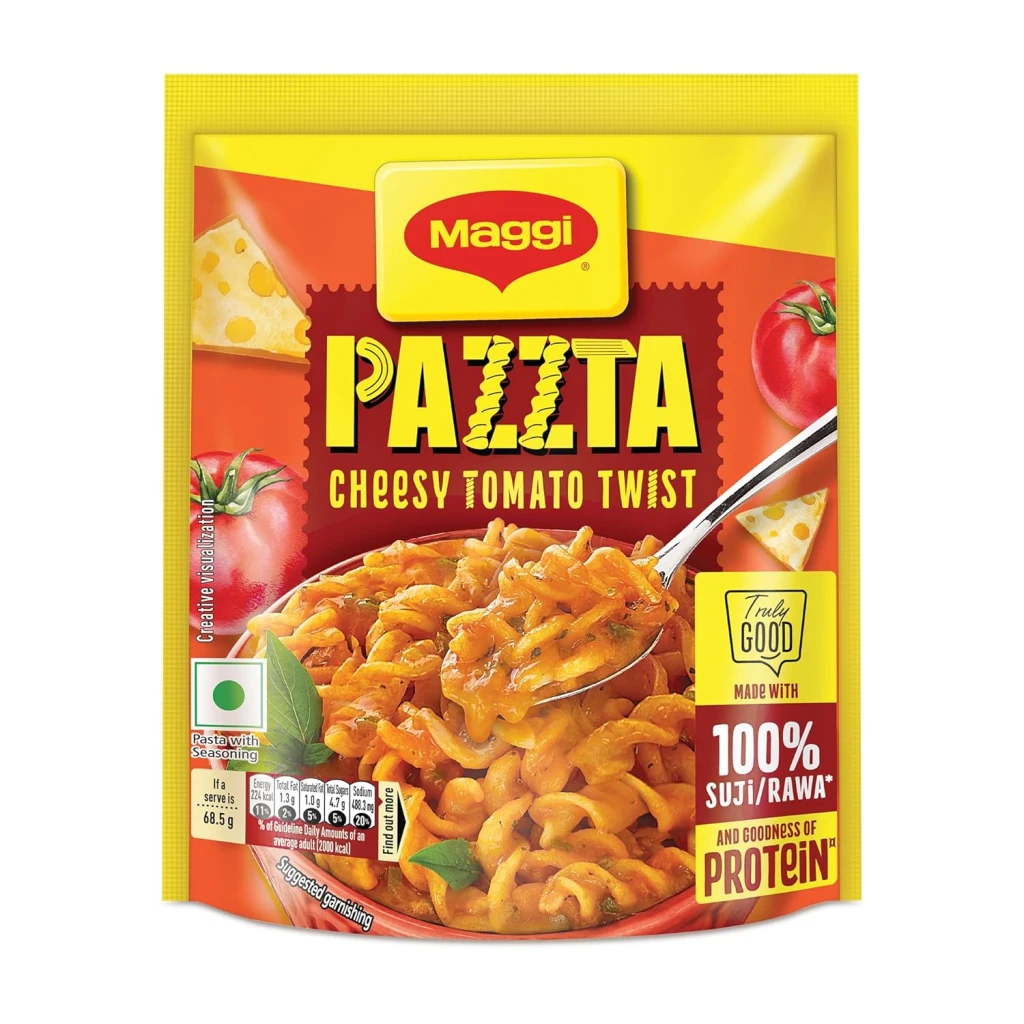
Maggi PAZZTA Instant Pasta - Cheesy Tomato Twist,Vegetarian
5.3Maggi
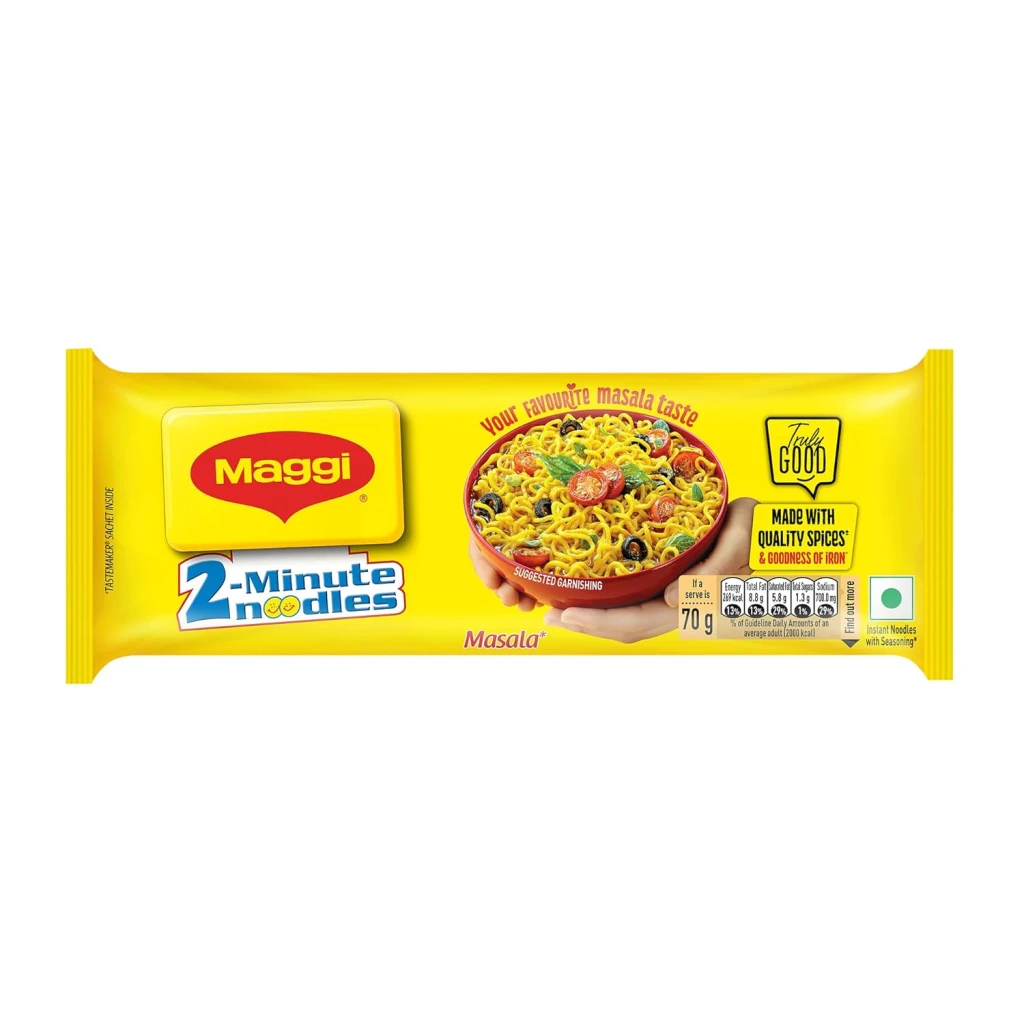
MAGGI 2-Minute Instant Noodles, Favourite Masala Taste, Masala Noodles With Goodness Of Iron, Made With Choicest Quality Spices
3.9Maggi
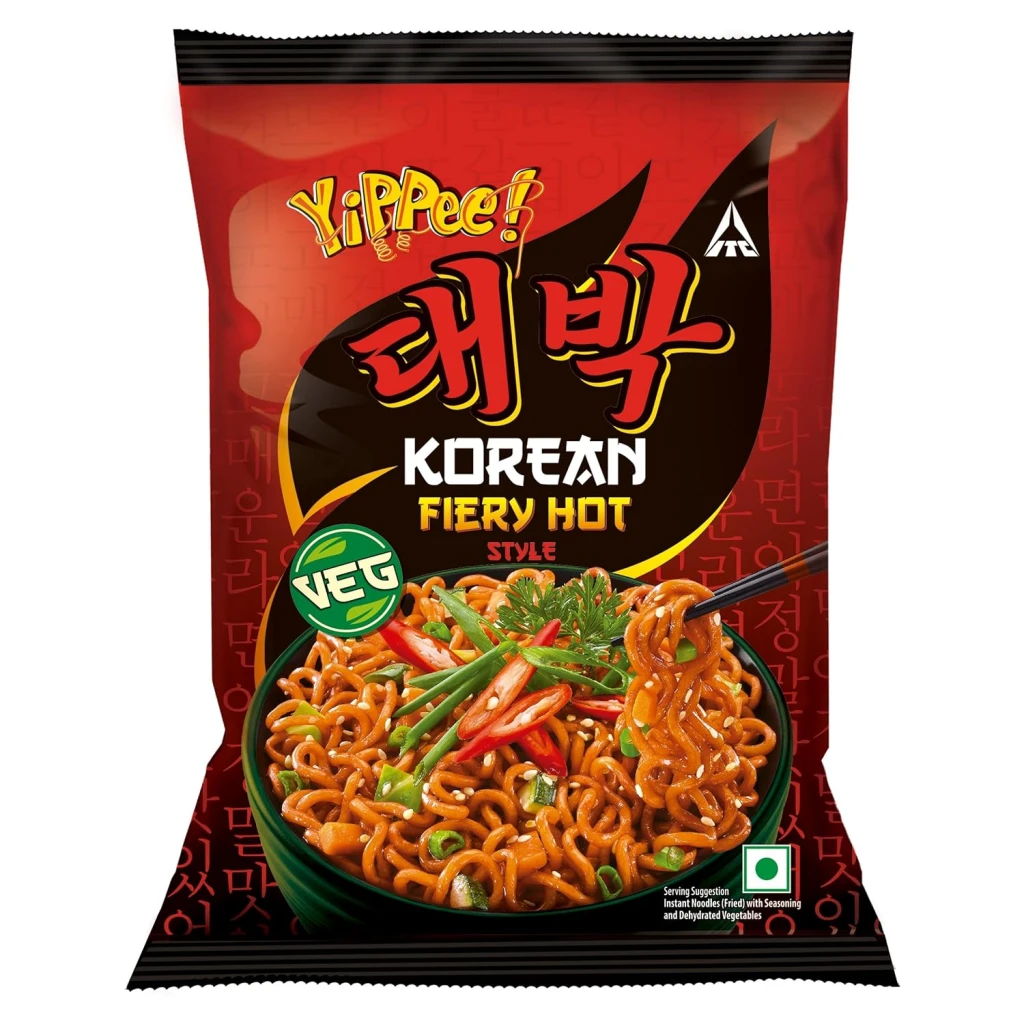
Sunfeast YiPPee! Korean Fiery Hot Style Noodles, Deliciously Spicy Noodles with 5 Added Vegetables
3.7yippee!
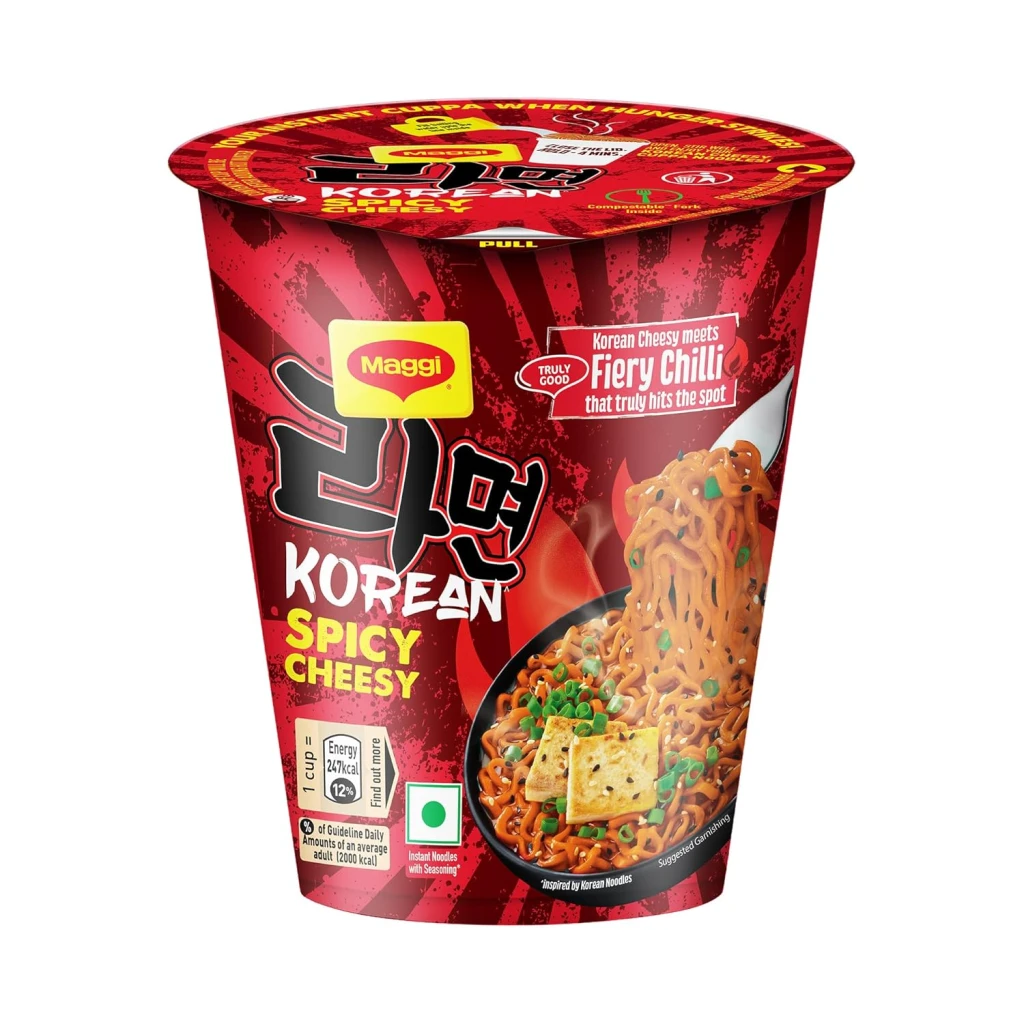
MAGGI Korean Spicy Cheesy Cuppa Noodles
3.6Maggi
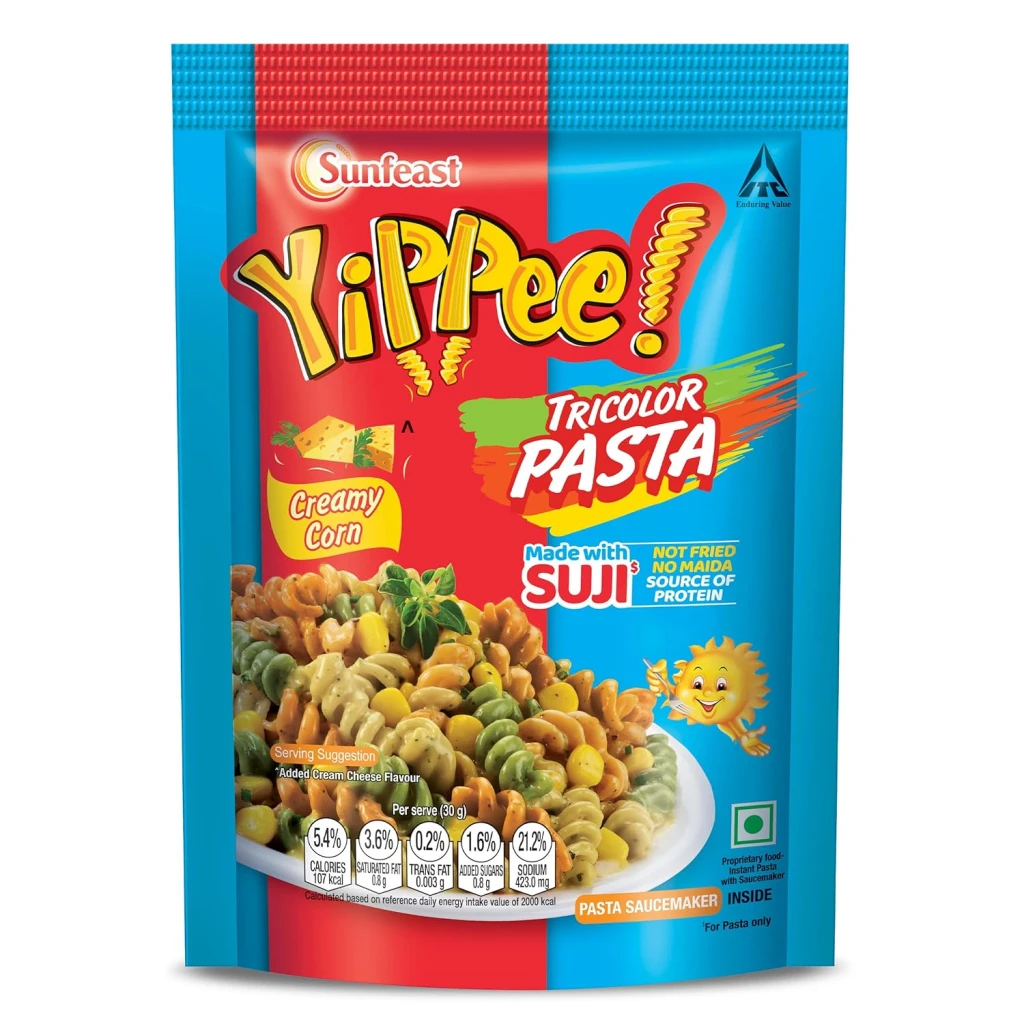
Sunfeast YiPPee!
1.5sunfeast
Side-by-side comparisons
How this product's label compares with others on the same shelf, row by row.
- VS Maggi 2 min noodles Masala Taste vs Sunfeast YiPPee!
- VS Maggi 2 min noodles Masala Taste vs Too Yumm! K-Bomb Mi Goreng, 79g, Ready to cook Instant Noodles, 100% Veg, Indone...
- VS Maggi 2 min noodles Masala Taste vs Too Yumm! K-Bomb Tom Yum, 80g, Ready to cook Instant Noodles, 100% Veg, Thai Noo...
Also on this shelf
More Instant Noodles & Pasta products we've analysed, in name order.
-
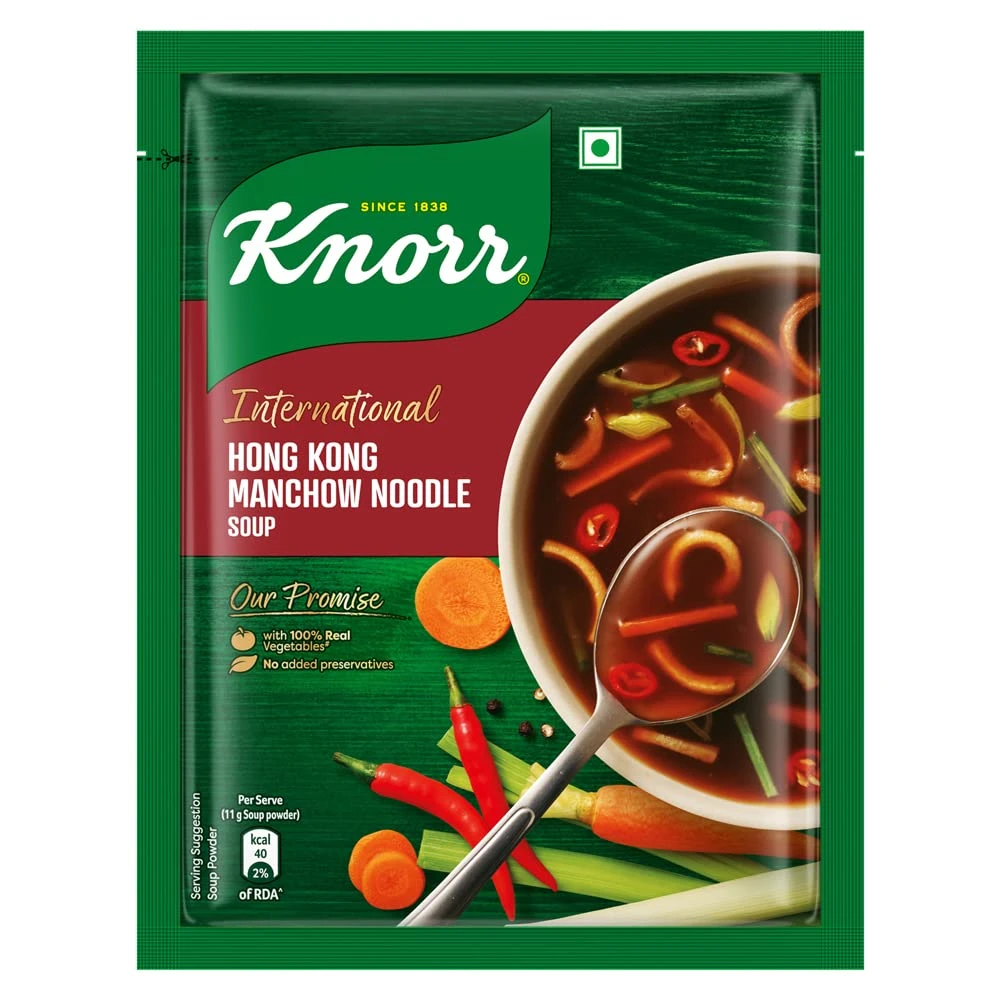 Knorr Knorr Hong Kong Manchow Soup with Real Vegetables
See the analysis
-
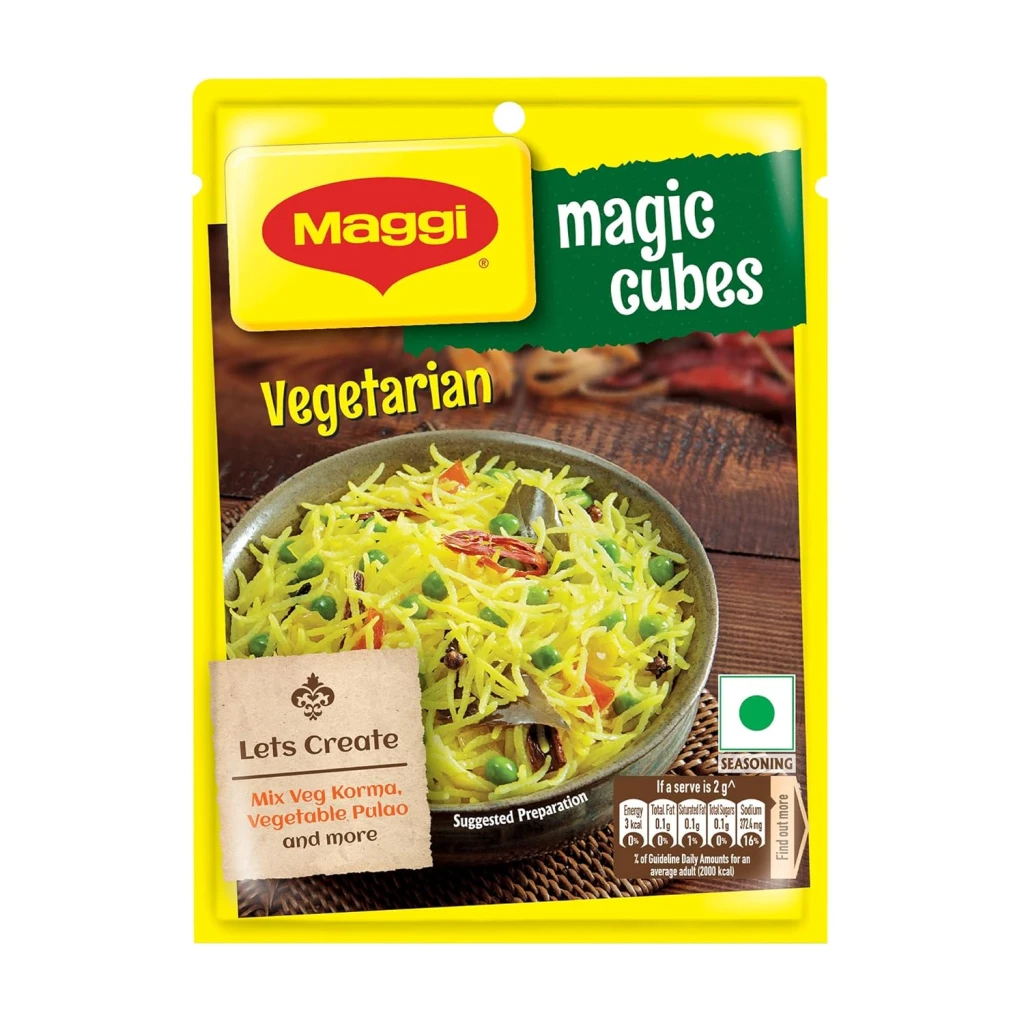 MAGGI MAGGI MAGIC Cubes, Vegetarian Masala
See the analysis
-
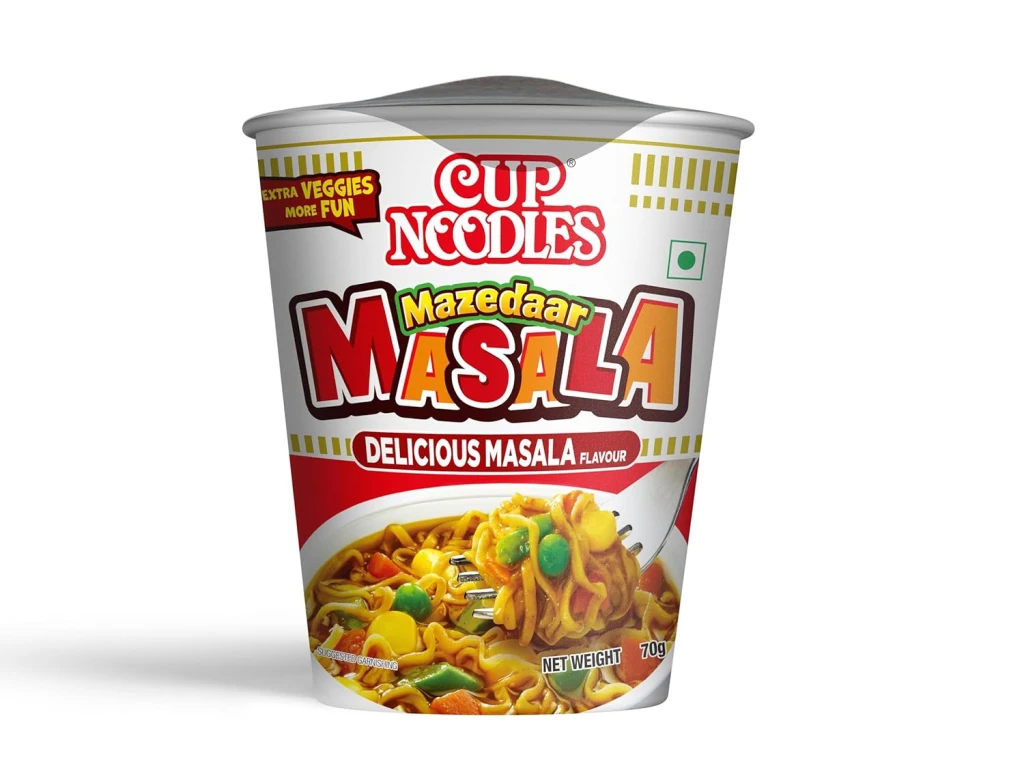 Cup Noodles Nissin Cup Noodles Mazedaar Masala
See the analysis
-
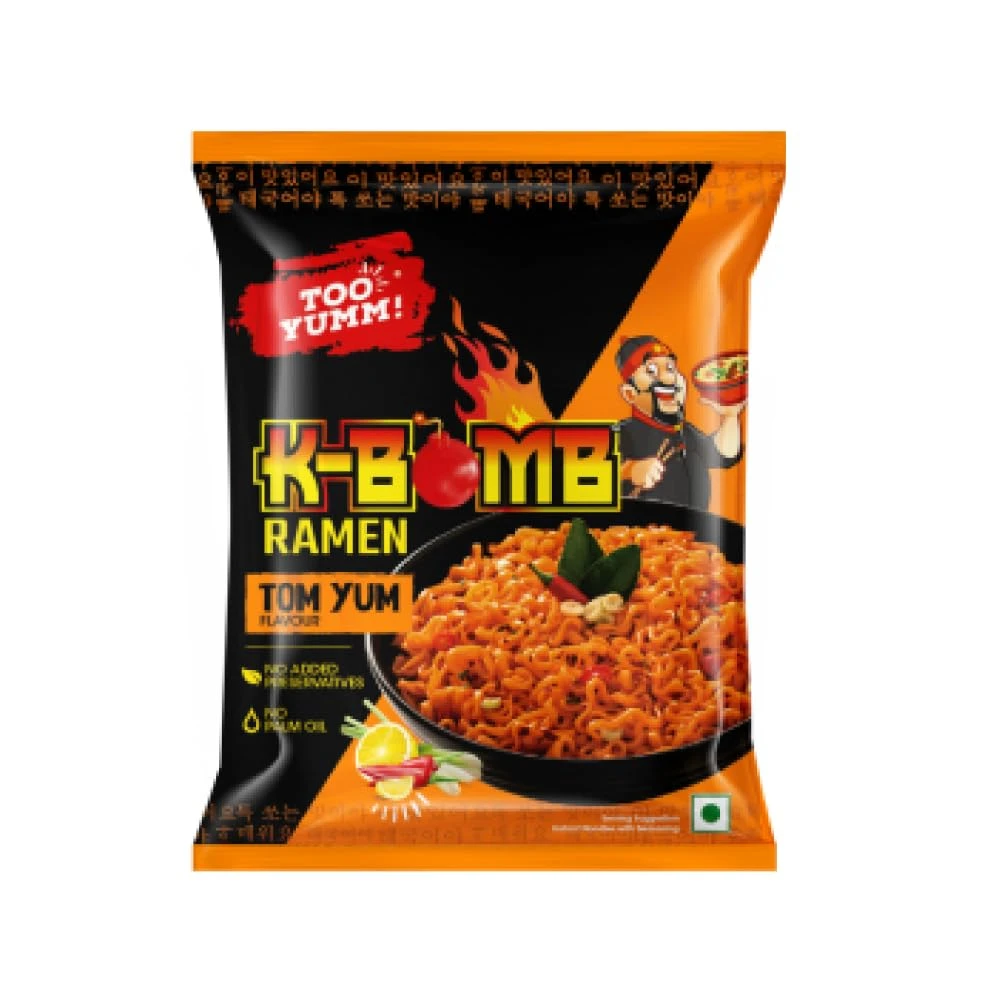 Too! yumm Too Yumm! K-Bomb Tom Yum, 80g, Ready to cook Instant Noodles, 100% Veg, Thai Noodles, No Palm Oil
See the analysis
-
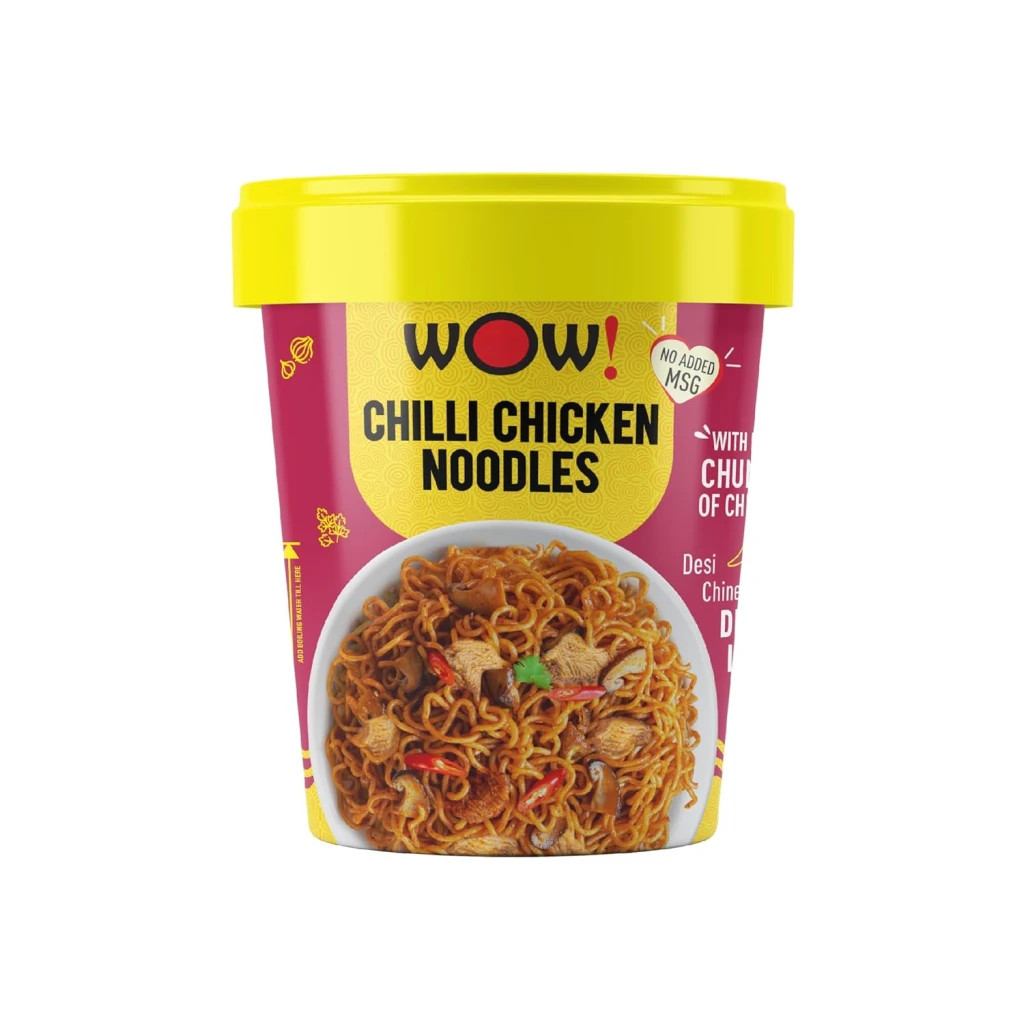 WOw! Wow! Chilli Chicken Noodles
See the analysis
-
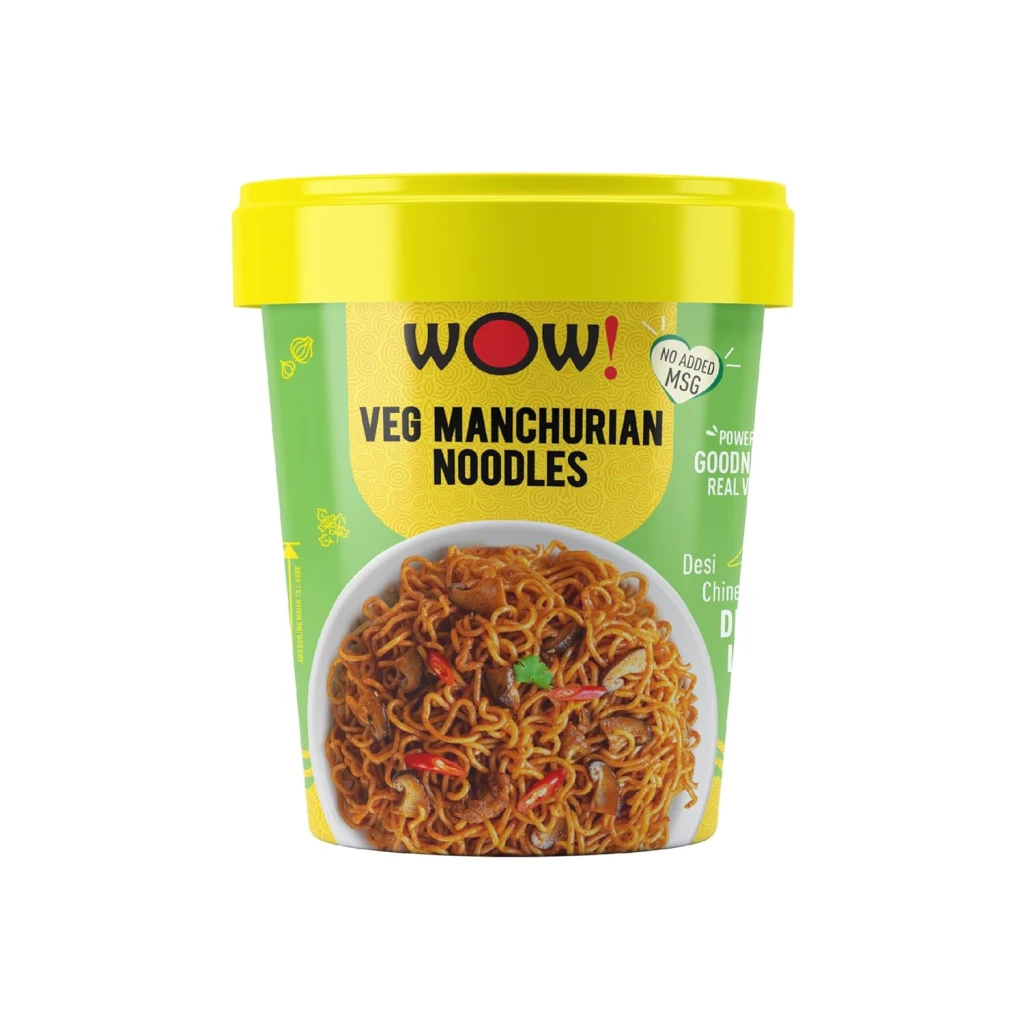 WOW! Wow! Veg Manchurian Noodles
See the analysis
What are the ingredients in Maggi 2 min noodles Masala Taste?
The label of Maggi 2 min noodles Masala Taste lists 31 ingredients, in label order: Refined wheat flour, Palm oil, Iodized Salt, Wheat gluten, Potassium chloride, Guar gum, Potassium carbonate, Sodium carbonate, Sodium tripolyphosphate, Onion powder, Coriander powder, Red chilli powder, Turmeric powder, Garlic powder, Cumin powder, Aniseed powder, Ginger powder, Fenugreek powder, Black pepper powder, Toasted onion powder, Clove powder, Green cardamom powder, Nutmeg powder, Hydrolysed groundnut protein, Sugar, Starch, Citric Acid, Disodium guanylate, Disodium inosinate, Sulphite ammonia caramel, Mineral. Flagged by the analysis: Palm oil, Sodium tripolyphosphate, Sulphite ammonia caramel, Mineral, Disodium guanylate and 1 more.
Is Maggi 2 min noodles Masala Taste safe to eat?
Maggi 2 min noodles Masala Taste scores 3.6/10 on Decode Label (Concerning). This instant noodle product contains sulphite ammonia caramel, which can form 4-MEI, classified by IARC as a Group 2B possible human carcinogen. It also includes several additives like phosphates and purine-based flavour enhancers that may pose risks for individuals with certain health conditions. The product is high in sodium and saturated fat, typical of processed foods, and should be consumed in moderation.
Why does Maggi 2 min noodles Masala Taste score 3.6/10?
Flagged in the score: High saturated fat from palm oil. Also noted: High sodium content from multiple sources. Presence of multiple food additives.
Who should avoid Maggi 2 min noodles Masala Taste?
The points the analysis notes are most relevant to: Kidney disease; Heart conditions; Gout; Gluten sensitivity / Celiac disease; Individuals avoiding IARC 2B carcinogens.
Is Maggi 2 min noodles Masala Taste suitable for babies or young children?
Toddlers & young children (1–5): Avoid.
Does Maggi 2 min noodles Masala Taste contain allergens?
Yes — the ingredient list contains peanuts (Hydrolysed groundnut protein), gluten (Refined wheat flour and Wheat gluten) and sulphites (Sulphite ammonia caramel). Check the allergen statement on the pack too if you have a diagnosed allergy.
Does Maggi 2 min noodles Masala Taste contain peanuts?
Yes — the ingredient list names Hydrolysed groundnut protein. People with groundnut (peanut) allergy should treat it as containing peanuts, and check the allergen statement on the pack too.
Does Maggi 2 min noodles Masala Taste contain gluten?
Yes — the ingredient list names Refined wheat flour and Wheat gluten. People with gluten / wheat sensitivity (coeliac disease) should treat it as containing gluten, and check the allergen statement on the pack too.
Does Maggi 2 min noodles Masala Taste contain sulphites?
Yes — the ingredient list names Sulphite ammonia caramel. People with sulphite sensitivity (asthma) should treat it as containing sulphites, and check the allergen statement on the pack too.
How much sugar is in Maggi 2 min noodles Masala Taste?
1.8 g of total sugar per 100 g. The label declares 1.1 g of that as added sugar per 100 g.
Is Maggi 2 min noodles Masala Taste high in salt?
Yes — 1,000 mg of sodium per 100 g (about 2.5 g of salt), above the 1.5 g of salt per 100 g that UK front-of-pack labelling marks as high.
Are the claims on the Maggi 2 min noodles Masala Taste pack accurate?
Decode Label checked 6 claims against the ingredient list and nutrition panel. "EASY TO STORE" — can't be verified from the label. "Truly GOOD" — can't be verified from the label. "MADE WITH QUALITY SPICES" — can't be verified from the label.
Answers are generated from this product's own Decode Label analysis — the score, the ingredient list and the label claims shown above. Always check the pack itself for allergen and dietary information.
Reader reviews
How the product performed for people who used it — taste, value, everyday experience. Separate from the Decode Label score above, which rates what is on the label.
Sign in to leave a review.
Sign in →No reviews yet — be the first to share your experience.
Help us keep this accurate
Two quick questions about our analysis — not about the product.
Was this analysis helpful?
Tells us whether the breakdown above actually answered your question.
0 of 0 readers found this analysis helpful
Does your pack match this page?
Recipes change and packs get reformulated. If the ingredients or the panel on the pack in your hand differ from what we show, tell us and we will check it.
About this analysis: Based on declared label information and available evidence. Decode Label does not independently laboratory-test products, and a score is not a regulatory determination or medical advice.
Disclaimer: Safety scores are Decode Label-generated assessments based on publicly available regulatory data (FSSAI, WHO, EFSA, IARC) and peer-reviewed research. They are not a substitute for professional medical advice, and they are not a regulatory determination, a laboratory safety certification or a medical diagnosis. Ingredient safety can vary by individual health conditions, concentration, and usage context. Decode Label is an independent information service and scores every brand by the same rules. No brand pays for or influences its score. Our founder also founded the personal-care brand Botani Bestie (see our story); its products are scored exactly like everyone else's. Data limitations: This assessment is based on the information declared on the product label and the evidence sources above — Decode Label does not independently laboratory-test this product. Ingredient concentrations, sourcing and manufacturing can vary between batches and are not always disclosed. A finding that is not shown here means it was not identified from the available label information, not that it has been ruled out.
Report Error
If you believe this score is inaccurate, provide details below. Our team reviews every report and will update the rating if warranted.
Report submitted
Our team will review your report and update the rating if the evidence warrants it. Thank you for helping keep our data accurate.
Share this product
Maggi 2 min noodles Masala Taste
Link copied — paste it in your Instagram bio or Story!