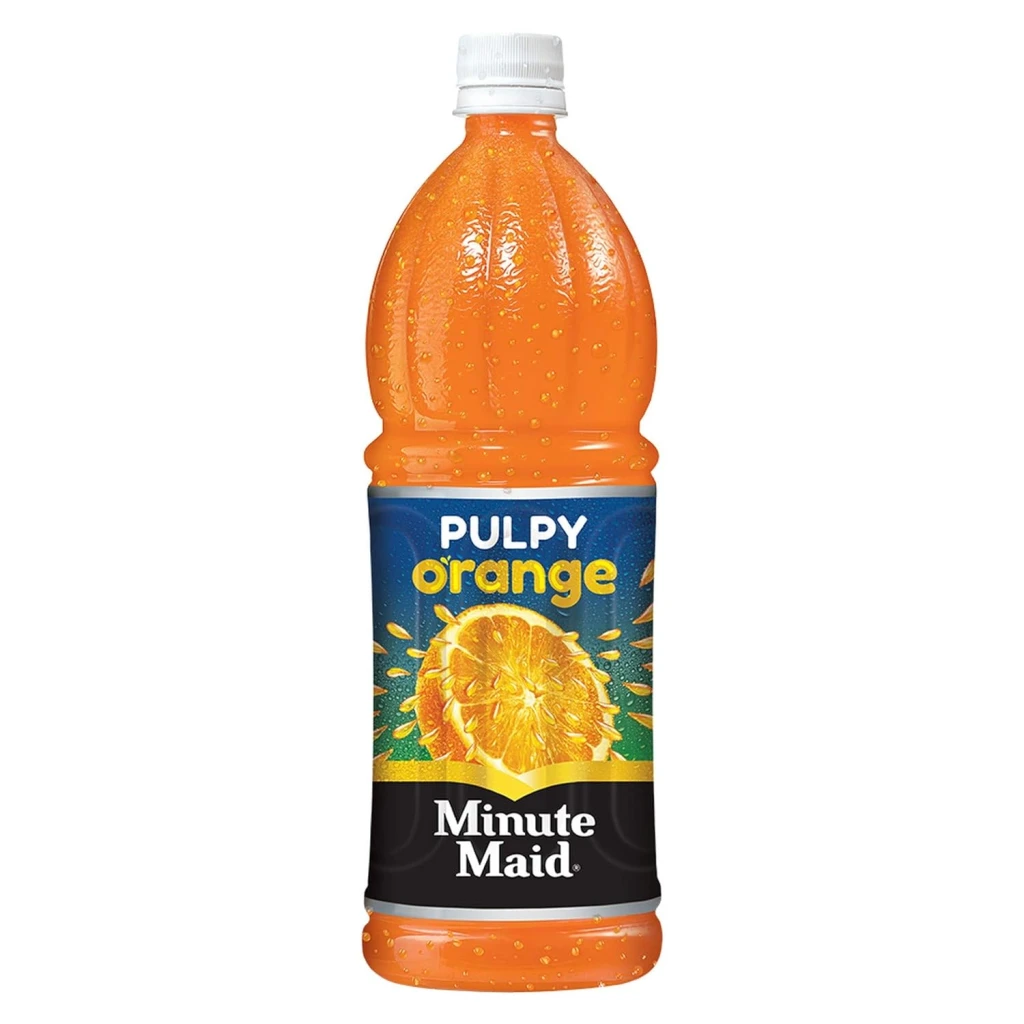
Pack image shown to identify the product. Decode Label is independent of Minute Maid and is not sponsored or endorsed by it. Trademarks
Pulpy Orange
Decode Label Safety Score
How we got 3.9 ShowHide
Methodology v3.1 (updated 8 Oct 2026) — what changed
This orange beverage contains a significant amount of added sugar and fruit juice concentrate, which contributes to its free sugar content. While it provides Vitamin C, the presence of synthetic food colours Tartrazine (INS 102) and Sunset Yellow FCF (INS 110) is a notable concern, particularly for children, as these are linked to hyperactivity and require an EU warning label. Individuals sensitive to these colours or those monitoring sugar intake should exercise caution.
At a glance
From the declared label — not a lab testFindings to weigh
What’s favorable
- Orange Pulp Cells
High in added sugar; contains synthetic colours linked to hyperactivity
This orange drink contains added sugar and fruit juice concentrate, both contributing to its free sugar content. It also includes synthetic food colours Tartrazine (INS 102) and Sunset Yellow FCF (INS 110), which are associated with hyperactivity in children and require a specific warning in the EU. While it offers some Vitamin C, the overall formulation is high in sugars and contains controversial artificial colours.
Consider this product carefully if you are
- Looking for a lower-sugar option — Total sugar is 11.5 g per 100 ml.
- Avoiding certain additives or colours — Orange juice concentrate is declared.
Personal check · free
Is this right for you or your family?
Just checking whether the product is safe? The analysis above is yours, no account needed. To know if it is safe for you, your father or your child, add a profile and we check this label against them.
- Allergies. Peanut, milk, gluten, egg and more, checked against the ingredient list.
- Diet. Vegetarian, vegan, Jain, no egg, no dairy.
- Health and goals. Sugar, salt, protein, steady blood sugar, heart-friendly, weight.
- Everyone you buy for. Save a profile for Papa or the kids and switch in one tap.
Concern breakdown
Score out of 10 · higher = fewer concernsHow this product performs on each concern we check for beverage. This is a breakdown of the same evidence behind the score above — not a separate verdict.
Infants under 1
AvoidContains added sugar and fruit juice concentrate, which are sources of free sugars. Added sugars are not recommended for infants.
Toddlers & young children (1–5)
LimitContains synthetic food colours Tartrazine (INS 102) and Sunset Yellow FCF (INS 110), which have been linked to hyperactivity in children. Parents should be aware of this potential effect.
Why the score is capped
Contains Tartrazine (INS 102) and Sunset Yellow (INS 110), synthetic colours linked to hyperactivity in children; the EU requires a pack warning for each
Rule F-CAP-18 · Source: McCann et al., Lancet 2007; EFSA 2009; EU Regulation 1333/2008 Annex V warning
What's good
Contains Vitamin C (Ascorbic Acid) as an antioxidant
Includes real orange juice and pulp cells
Watch out for
High content of added sugar and fruit juice concentrate, contributing to free sugar intake
Presence of synthetic food colours (Tartrazine, Sunset Yellow FCF) linked to hyperactivity in children
Ingredient Concerns safety database
Sources cited below may be Indian (FSSAI) or international (EU, US, WHO, IARC) — an international classification or law is evidence, not an Indian regulatory finding.
Fruit Juice Concentrate
Fruit-juice concentrate is fruit juice with the water removed, leaving concentrated sugars (largely fructose and glucose). Nutritionally it behaves as a free sugar and is frequently used to sweeten products that market themselves as having "no added sugar". The WHO recommends no free sugars for infants and young children, so it is a particular concern in foods aimed at babies and toddlers.
Regulatory & scientific authority Source: WHO Guideline: Sugars intake (2015); WHO Ending inappropriate promotion of foods for infants
Fruit Juice Concentrate: regulation, sources and other products →Added Sugars
Sugars added to food, and the sugars in honey, syrups and fruit juice concentrates, are "free sugars". The WHO guideline recommends that they stay below 10% of total energy intake and suggests below 5% for additional benefit. Where the sugar sits in the ingredient list and how many grams the panel declares is what matters; this is information, because the nutrition score already prices the grams.
Regulatory & scientific authority Source: WHO, Guideline: Sugars intake for adults and children (2015)
Added Sugars: regulation, sources and other products →Decode Label Analysis
Contains synthetic food colours Tartrazine (INS 102) and Sunset Yellow FCF (INS 110), which are linked to hyperactivity in children. The EU mandates a warning label for products containing these colours.
High in added sugar and fruit juice concentrate, contributing to a significant amount of free sugars. Excessive intake of free sugars is associated with various health concerns.
Claim check
Front-of-pack marketing claims checked against this product's actual ingredients and nutrition. "Can't verify" means the label does not provide enough information to check the claim — it is not the same as the claim being false.
The ingredient list includes orange juice and orange pulp cells, supporting the 'Pulpy Orange' claim.
Read straight from the back-of-pack photo — quantities, sections and any disguised terms, so the small print can’t hide behind the marketing.
-
1.
WaterWATER
-
2.
SugarSUGAR
-
3.
Orange Juice 10.5%ORANGE JUICE (10.5%)
-
Orange Juice Concentrate within Orange JuiceORANGE JUICE CONCENTRATE
-
Orange Pulp Cells within Orange JuiceORANGE PULP CELLS
-
4.
Acidity RegulatorsACIDITY REGULATORS (330, 331(iii))
-
5.
AntioxidantANTIOXIDANT (300)
-
6.
Synthetic Food Colours synthetic colourSunset yellow FCF (INS 110), Tartrazine (INS 102)SYNTHETIC FOOD COLOURS (110, 102)
-
7.
Orange FlavoursORANGE FLAVOURS (NATURAL, NATURE-IDENTICAL AND ARTIFICIAL FLAVOURING SUBSTANCES)
In label order — normally largest quantity first. Select a row for the full write-up and sources.
The label declares each of these as a blend and then lists what is in it. The components appear in the groups above on their own merits, so the blend itself is shown here rather than counted a second time.
✓ Decode Label Assessment: Favorable ⚠ Decode Label Assessment: Concern Decode Label Assessment: Neutral
Who should take caution
About this ingredient
Declared on this label as
No detailed safety data in our database yet for this ingredient.
Learn More
| Energy | 52 kcal |
| Protein | 0 g |
| Carbohydrate | 13 g |
| Total Sugars | 11.5 g |
| Total Fat | 0 g |
Colour shows the per-100g level (green = low, amber = moderate, red = high), from the product's label.
Compare with other fruit juice products
Assessed using the same Decode Label methodology, sorted by score. Each score reflects the information available for that product at the time of assessment.
Also on this shelf
More Fruit Juice & Nectar products we've analysed, in name order.
-
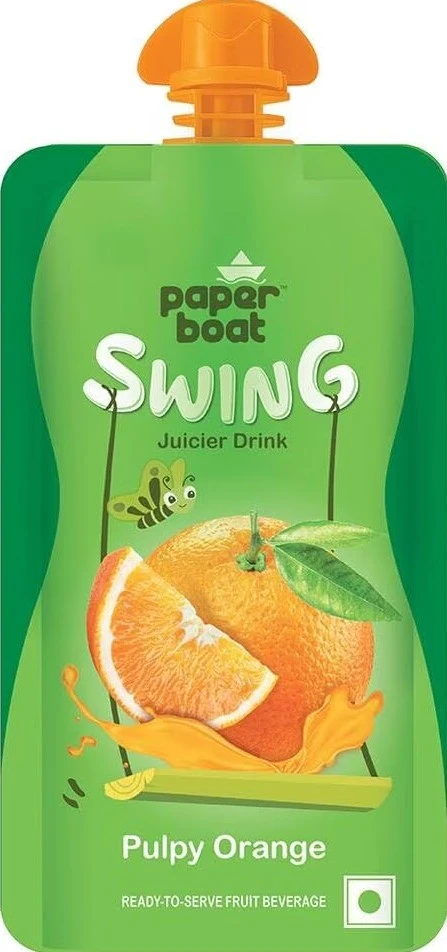 Paper Boat Paper Boat Swing Juicier Drink Pulpy Orange
See the analysis
-
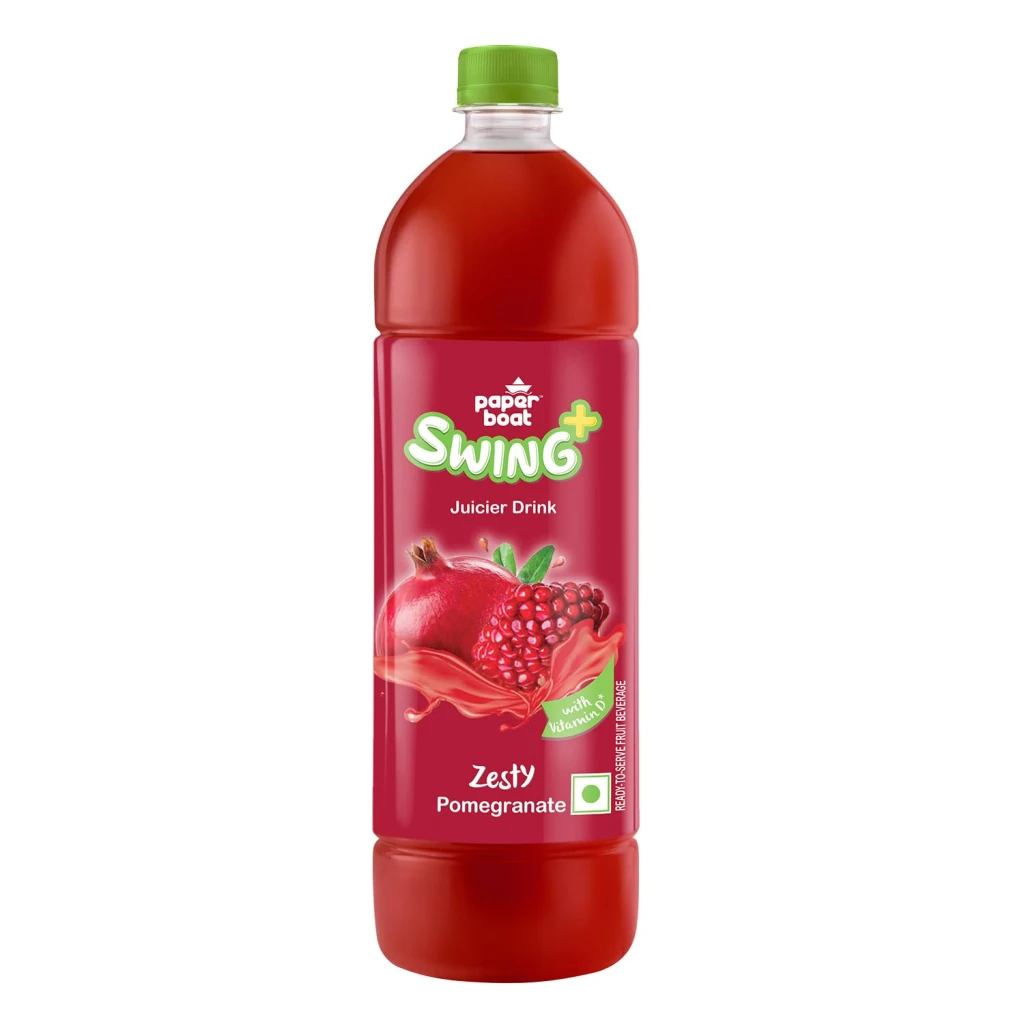 paper boat Paper Boat Swing Zesty Pomegranate Juice, Enriched with Vitamin D
See the analysis
-
 Tang Pineapple
See the analysis
-
 Real Real Cheers Jamuntini
See the analysis
-
 Real Real Cheers Tonic Water
See the analysis
-
 Real Real Fruit Power Apple
See the analysis
What are the ingredients in Pulpy Orange?
The label of Pulpy Orange lists 9 ingredients, in label order: Water, Sugar, Orange Juice, Orange juice concentrate, Orange Pulp Cells, Acidity Regulator, Antioxidant, Synthetic Food Colour, Orange Flavor. Flagged by the analysis: Orange juice concentrate, Orange Flavor.
Is Pulpy Orange safe to eat?
Pulpy Orange scores 3.9/10 on Decode Label (Concerning). This orange drink contains added sugar and fruit juice concentrate, both contributing to its free sugar content. It also includes synthetic food colours Tartrazine (INS 102) and Sunset Yellow FCF (INS 110), which are associated with hyperactivity in children and require a specific warning in the EU. While it offers some Vitamin C, the overall formulation is high in sugars and contains controversial artificial colours.
Why does Pulpy Orange score 3.9/10?
What the analysis notes: High content of added sugar and fruit juice concentrate, contributing to free sugar intake. Presence of synthetic food colours (Tartrazine, Sunset Yellow FCF) linked to hyperactivity in children.
Who should avoid Pulpy Orange?
The points the analysis notes are most relevant to: Avoiding high added sugar intake; Sensitive to synthetic food colours (Tartrazine, Sunset Yellow FCF); Children prone to hyperactivity.
Is Pulpy Orange suitable for babies or young children?
Infants under 1: Avoid. Toddlers & young children (1–5): Limit.
Is Pulpy Orange high in sugar?
Yes — 11.5 g of total sugar per 100 ml, above the 11.25 g per 100 ml that UK front-of-pack labelling marks as high. The label does not declare added sugar separately, so we cannot say how much of it is added.
Are the claims on the Pulpy Orange pack accurate?
Yes — all 1 claim on the pack checked out against the ingredient list and nutrition panel.
Is Pulpy Orange vegetarian?
Pulpy Orange is marked vegetarian, and contains no animal-derived ingredients.
Answers are generated from this product's own Decode Label analysis — the score, the ingredient list and the label claims shown above. Always check the pack itself for allergen and dietary information.
Reader reviews
How the product performed for people who used it — taste, value, everyday experience. Separate from the Decode Label score above, which rates what is on the label.
Sign in to leave a review.
Sign in →No reviews yet — be the first to share your experience.
Help us keep this accurate
Two quick questions about our analysis — not about the product.
Was this analysis helpful?
Tells us whether the breakdown above actually answered your question.
0 of 0 readers found this analysis helpful
Does your pack match this page?
Recipes change and packs get reformulated. If the ingredients or the panel on the pack in your hand differ from what we show, tell us and we will check it.
About this analysis: Based on declared label information and available evidence. Decode Label does not independently laboratory-test products, and a score is not a regulatory determination or medical advice.
Disclaimer: Safety scores are Decode Label-generated assessments based on publicly available regulatory data (FSSAI, WHO, EFSA, IARC) and peer-reviewed research. They are not a substitute for professional medical advice, and they are not a regulatory determination, a laboratory safety certification or a medical diagnosis. Ingredient safety can vary by individual health conditions, concentration, and usage context. Decode Label is an independent information service and scores every brand by the same rules. No brand pays for or influences its score. Our founder also founded the personal-care brand Botani Bestie (see our story); its products are scored exactly like everyone else's. Data limitations: This assessment is based on the information declared on the product label and the evidence sources above — Decode Label does not independently laboratory-test this product. Ingredient concentrations, sourcing and manufacturing can vary between batches and are not always disclosed. A finding that is not shown here means it was not identified from the available label information, not that it has been ruled out.
Report Error
If you believe this score is inaccurate, provide details below. Our team reviews every report and will update the rating if warranted.
Report submitted
Our team will review your report and update the rating if the evidence warrants it. Thank you for helping keep our data accurate.
Share this product
Pulpy Orange
Link copied — paste it in your Instagram bio or Story!