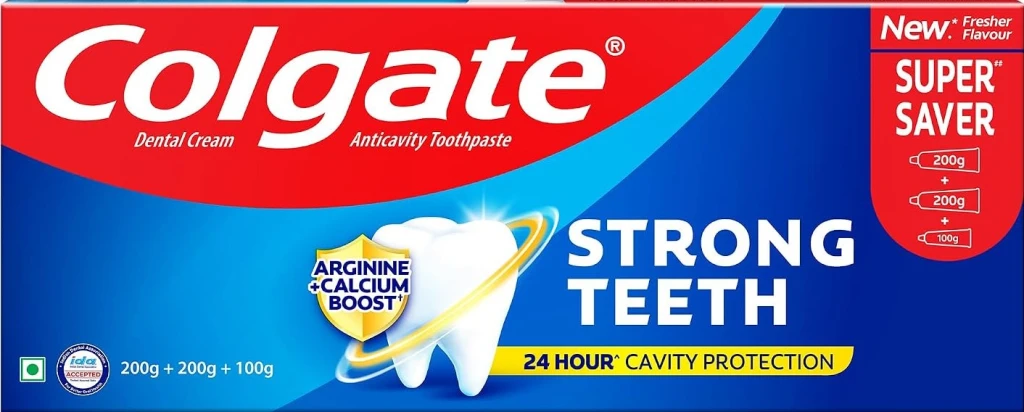
Pack image shown to identify the product. Decode Label is independent of Colgate and is not sponsored or endorsed by it. Trademarks
Brand owned by Colgate-Palmolive (United States) · about the brand
Dental Cream Anticavity Toothpaste Strong Teeth
Decode Label Safety Score
How we got 3.9 ShowHide
Methodology v3.1 (updated 8 Oct 2026) — what changed
The score is capped for a specific safety reason, set out below. This toothpaste contains Sodium Lauryl Sulfate, a known irritant, and Titanium Dioxide, which is banned as a food additive in the EU due to genotoxicity concerns when ingested. While Titanium Dioxide's oral care use is generally considered safe as it's not ingested, its presence is a point of caution for those who prefer to avoid it. The product also includes declared fragrance allergens, which may be a concern for individuals with sensitive skin or fragrance allergies. Despite these concerns, it provides fluoride for cavity protection and potassium nitrate for sensitivity relief, making it suitable for general use by adults who are not sensitive to the listed irritants or allergens.
At a glance
From the declared label — not a lab testFindings to weigh
What’s favorable
- Calcium Carbonate
- Arginine
- Hydrated Silica
- Potassium Nitrate
- Sodium Bicarbonate
Contains irritant Sodium Lauryl Sulfate and EU-banned food additive Titanium Dioxide
The score is capped for a specific safety reason, set out below. This toothpaste includes Sodium Lauryl Sulfate, a common surfactant that can irritate oral mucous membranes, and Titanium Dioxide, which is no longer permitted as a food additive in the EU due to genotoxicity concerns when swallowed. While Titanium Dioxide's risk in toothpaste is low due to limited ingestion, its presence is a concern for those avoiding certain additives. It also contains declared fragrance allergens like Eugenol and Limonene, which may affect individuals with sensitivities.
Consider this product carefully if you are
- Avoiding certain additives or colours — Titanium Dioxide and Sodium Lauryl Sulfate are declared.
Personal check · free
Is this right for you or your family?
Just checking whether the product is safe? The analysis above is yours, no account needed. To know if it is safe for you, your father or your child, add a profile and we check this label against them.
- Allergies. Peanut, milk, gluten, egg and more, checked against the ingredient list.
- Diet. Vegetarian, vegan, Jain, no egg, no dairy.
- Health and goals. Sugar, salt, protein, steady blood sugar, heart-friendly, weight.
- Everyone you buy for. Save a profile for Papa or the kids and switch in one tap.
Concern breakdown
Score out of 10 · higher = fewer concernsHow this product performs on each concern we check for oral care. This is a breakdown of the same evidence behind the score above — not a separate verdict.
Other audiences
LimitContains fluoride (Sodium Monofluorophosphate) — use only a pea-sized amount and supervise brushing to limit swallowing.
Why the score is capped
Contains an additive restricted for a recognised health hazard
Rule F-CAP-10 · Source: IARC / EFSA classification of the additive
Primary surfactant with recognised irritation potential (EU SCCS)
Rule PC-CAP-05
Undisclosed generic ingredient (specific compound not named)
Rule PC-CAP-08
What's good
Contains fluoride (Sodium Monofluorophosphate) for cavity protection
Includes Potassium Nitrate for sensitivity relief
Contains Arginine for oral health benefits
Uses mild abrasives like Calcium Carbonate and Hydrated Silica
Watch out for
Sodium Lauryl Sulfate (SLS) is a strong irritant for oral mucous membranes
Titanium Dioxide (E171) is a controversial additive, banned as a food additive in the EU due to genotoxicity concerns when ingested
Undisclosed 'Flavours' reduce transparency
Presence of declared fragrance allergens (Eugenol, Limonene) may affect sensitive individuals
Sodium Saccharin — intense artificial sweetener - widely used in toothpaste; not a classified carcinogen.
Sorbitol — sugar alcohol - excessive intake can cause bloating and a laxative effect.
Benzyl Alcohol — preservative and fragrance allergen - the EU requires it to be declared.
Ingredient Concerns safety database
Sources cited below may be Indian (FSSAI) or international (EU, US, WHO, IARC) — an international classification or law is evidence, not an Indian regulatory finding.
Titanium Dioxide (E171)
EFSA concluded in 2021 that titanium dioxide can no longer be considered safe as a food additive, citing genotoxicity concerns, and the EU banned its use in food from August 2022. It is still used in some cosmetics where skin absorption is the concern. Indian regulations are under review.
Regulatory & scientific authority Source: EFSA 2021; EU Regulation 2022/63
Titanium Dioxide: regulation, sources and other products →Sodium Lauryl Sulfate
SLS is an aggressive surfactant that strips skin of its natural oils, disrupts the skin barrier, and can cause contact dermatitis, canker sores, and eye irritation. People with eczema, psoriasis, or sensitive skin should avoid SLS-containing products. It is particularly harsh in oral care products where it contacts mucous membranes.
Regulatory & scientific authority Source: SCCS; American Academy of Dermatology; Herlofson & Barkvoll 1996
Sodium Lauryl Sulfate: regulation, sources and other products →Saccharin (E954)
Saccharin is an approved intense sweetener and is used in small amounts to flavour toothpaste. An earlier rodent-bladder finding was judged not relevant to humans and IARC moved it to Group 3 (not classifiable) in 1999. The WHO (2023) nevertheless advises against relying on non-sugar sweeteners for weight control. In toothpaste the amount swallowed is very small.
Regulatory & scientific authority Source: IARC Monographs Vol. 73 (1999); WHO guideline on non-sugar sweeteners (2023); EFSA/JECFA acceptable daily intake
Saccharin: regulation, sources and other products →Fragrance Allergens (EU-listed)
These are individual fragrance components that are known contact allergens. EU rules require them to be named on the label when present above 0.001% (leave-on) or 0.01% (rinse-off), because "parfum" alone would hide them. Limonene and linalool are especially common and become more allergenic as they oxidise on exposure to air. This is a risk for people who are sensitised, not a general-population hazard.
Regulatory & scientific authority Source: EU Regulation 2023/1545 (extended fragrance-allergen labelling); SCCS opinions on fragrance allergens
Fragrance Allergens (EU-listed): regulation, sources and other products →Sugar Alcohols (Polyols)
Polyols are bulk sweeteners and humectants (also used in toothpaste). They are only partly absorbed, so large amounts can cause gas, bloating and a laxative effect, and EU rules require foods containing them to say "excessive consumption may produce laxative effects". Xylitol is toxic to dogs.
Regulatory & scientific authority Source: EU Regulation 1169/2011 Annex III (polyol labelling statement); EU Regulation 1333/2008
Sugar Alcohols (Polyols): regulation, sources and other products →Fluoride
Fluoride in toothpaste prevents tooth decay; the EU caps it at 0.15% fluorine. Swallowing a lot of toothpaste while the permanent teeth are forming (under about 6 years) can cause dental fluorosis, so children should use a smear or pea-sized amount, be supervised, and spit. For adults it is a benefit, which is why this is information, not a deduction.
Regulatory & scientific authority Source: EU Regulation 1223/2009 Annex III (max 0.15% fluorine); SCCS opinions on fluoride
Fluoride: regulation, sources and other products →Benzyl Alcohol
Benzyl alcohol is both a preservative (permitted up to 1% in the EU) and one of the fragrance substances the EU requires to be named on a label because it can cause contact allergy in sensitised people. It is information for someone who knows they react to it, not a general hazard.
Regulatory & scientific authority Source: EU Regulation 1223/2009 Annex III and Annex V
Benzyl Alcohol: regulation, sources and other products →Decode Label Analysis
Contains Sodium Lauryl Sulfate, a surfactant known for its irritation potential to skin and mucous membranes (EU SCCS).
Contains Titanium Dioxide (E171), which is banned as a food additive in the EU due to genotoxicity concerns when ingested (EU Reg. 2022/63). While this concern is primarily for ingestion, its presence is a point of caution.
Contains undisclosed 'Flavours', which reduces transparency regarding specific flavouring compounds.
Contains declared fragrance allergens Eugenol and Limonene, which may cause sensitisation in individuals with sensitive skin or fragrance allergies.
Claim check
Front-of-pack marketing claims checked against this product's actual ingredients and nutrition. "Can't verify" means the label does not provide enough information to check the claim — it is not the same as the claim being false.
The claim 'New Fresher Flavour' is a subjective claim about taste and freshness that cannot be verified from the ingredient list.
The claim 'SUPER SAVER' refers to a promotional offer or value, which cannot be verified from the ingredient list.
The ingredient list includes Sodium Monofluorophosphate, which is an anticavity agent.
The label declares Sodium Monofluorophosphate, which remineralises enamel — the established mechanism behind this claim. The ingredient list supports it.
The ingredient list includes Arginine and Calcium Carbonate, supporting the claim of 'Arginine + Calcium Boost'.
The label declares Sodium Monofluorophosphate — the recognised anti-caries active, and the agent cavity-protection claims rest on. The ingredient list supports this claim.
Read straight from the back-of-pack photo — quantities, sections and any disguised terms, so the small print can’t hide behind the marketing.
-
1.
Calcium Carbonate
-
2.
Water
-
3.
Sorbitol
-
4.
Sodium Lauryl Sulfate
-
5.
Arginine
-
6.
Flavor undisclosed fragrance
-
7.
Titanium Dioxide
-
8.
Hydrated Silica
-
9.
Sodium Monofluorophosphate
-
10.
Potassium Nitrate
-
11.
Sodium Bicarbonate
-
12.
Cellulose Gum
-
13.
Sodium Silicate
-
14.
Benzyl Alcohol
-
15.
Sodium Saccharin
-
16.
Xanthan Gum
-
17.
Eugenol
-
18.
Limonene
In label order — normally largest quantity first. Select a row for the full write-up and sources.
Fragrance allergens are substances EU cosmetics rules require to be named on the label (such as Limonene and Linalool). Fragrant botanicals such as essential oils are grouped with them because they can naturally contain such substances, but they are not on that list. They matter mainly for people with fragrance allergies or already-sensitive skin — not a general-population safety issue. Each named allergen takes a small deduction from the ingredient score, and a high count can cap it; fragrant botanicals take none. Naming them on the label is a transparency positive.
✓ Decode Label Assessment: Favorable ⚠ Decode Label Assessment: Concern Decode Label Assessment: Neutral
Who should take caution
About this ingredient
Declared on this label as
No detailed safety data in our database yet for this ingredient.
Learn More
Compare with other toothpaste products
Assessed using the same Decode Label methodology, sorted by score. Each score reflects the information available for that product at the time of assessment.
Also on this shelf
More Toothpaste products we've analysed, in name order.
-
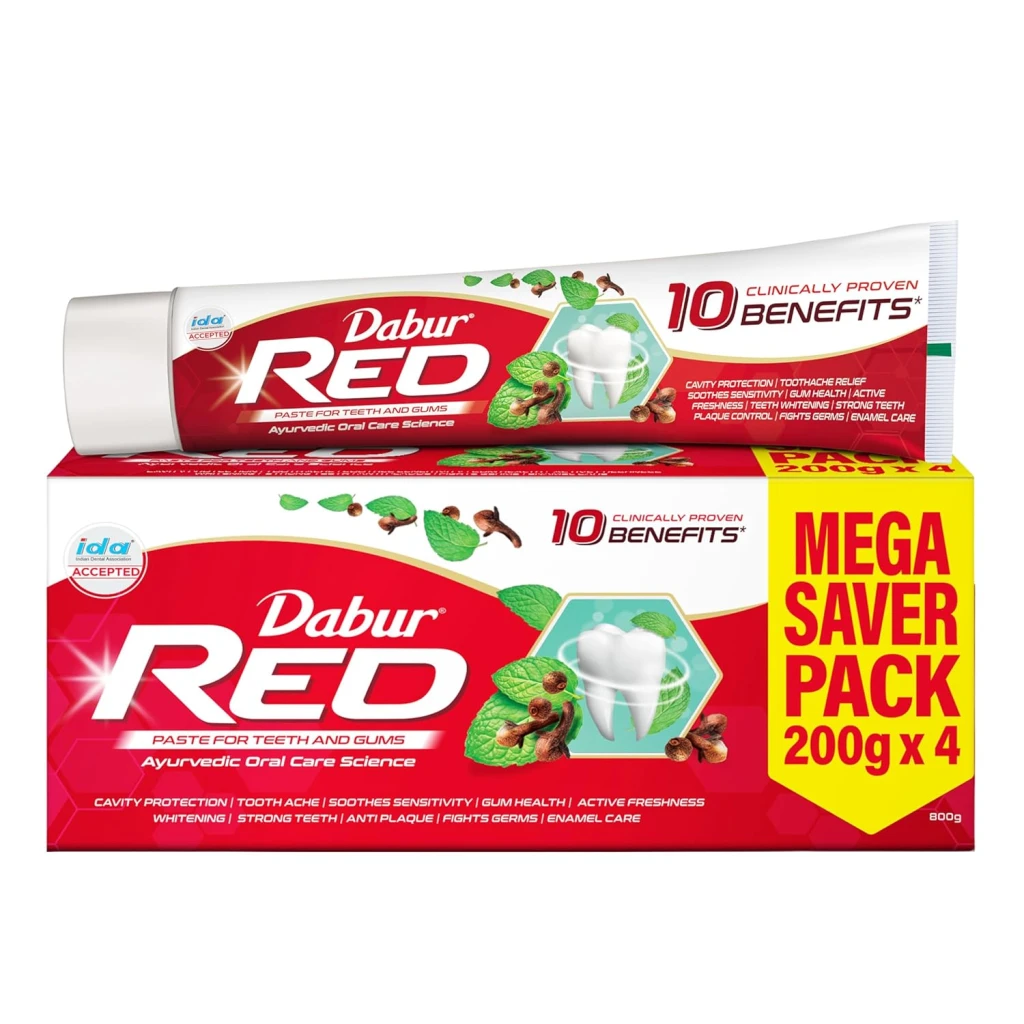 Dabur Dabur Red Paste - India's No.1 Ayurvedic Paste
See the analysis
-
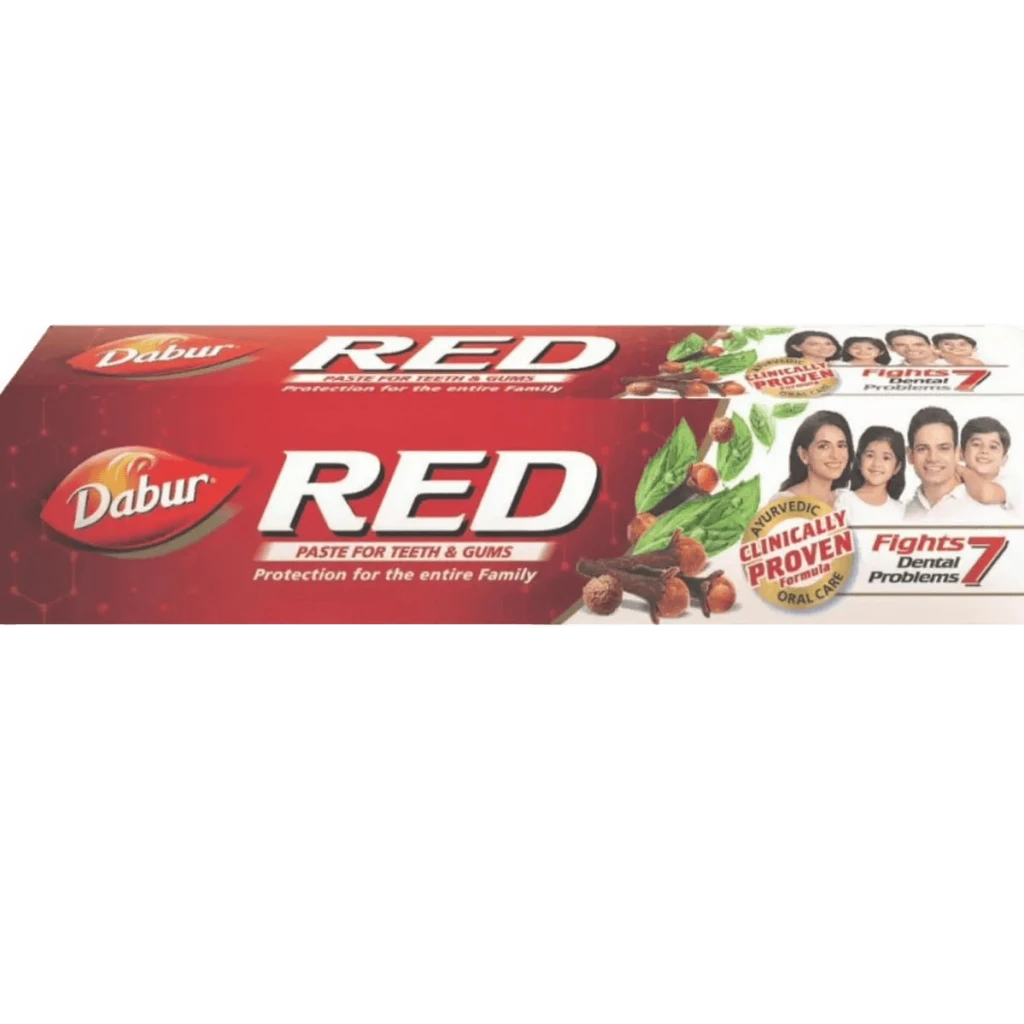 Dabur Dabur Red Toothpaste
See the analysis
-
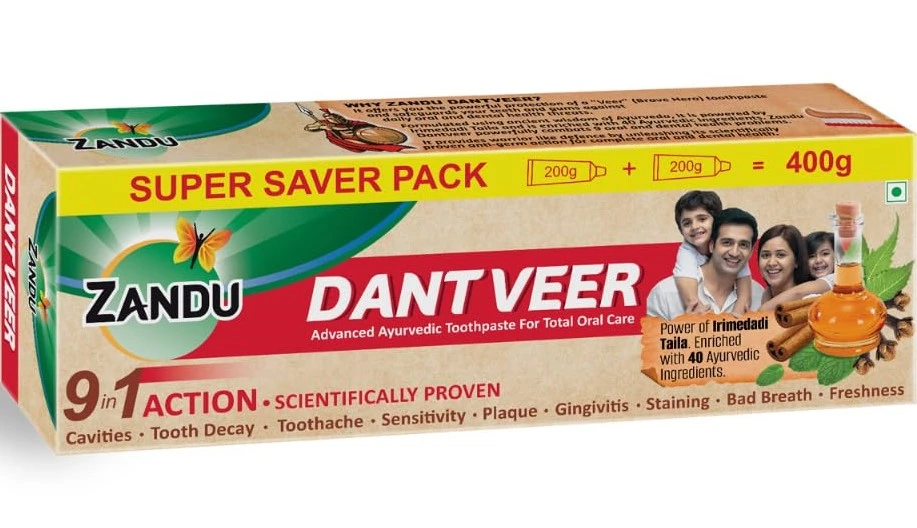 Zandu Dant Veer Advanced Ayurvedic Toothpaste For Total Oral Care
See the analysis
-
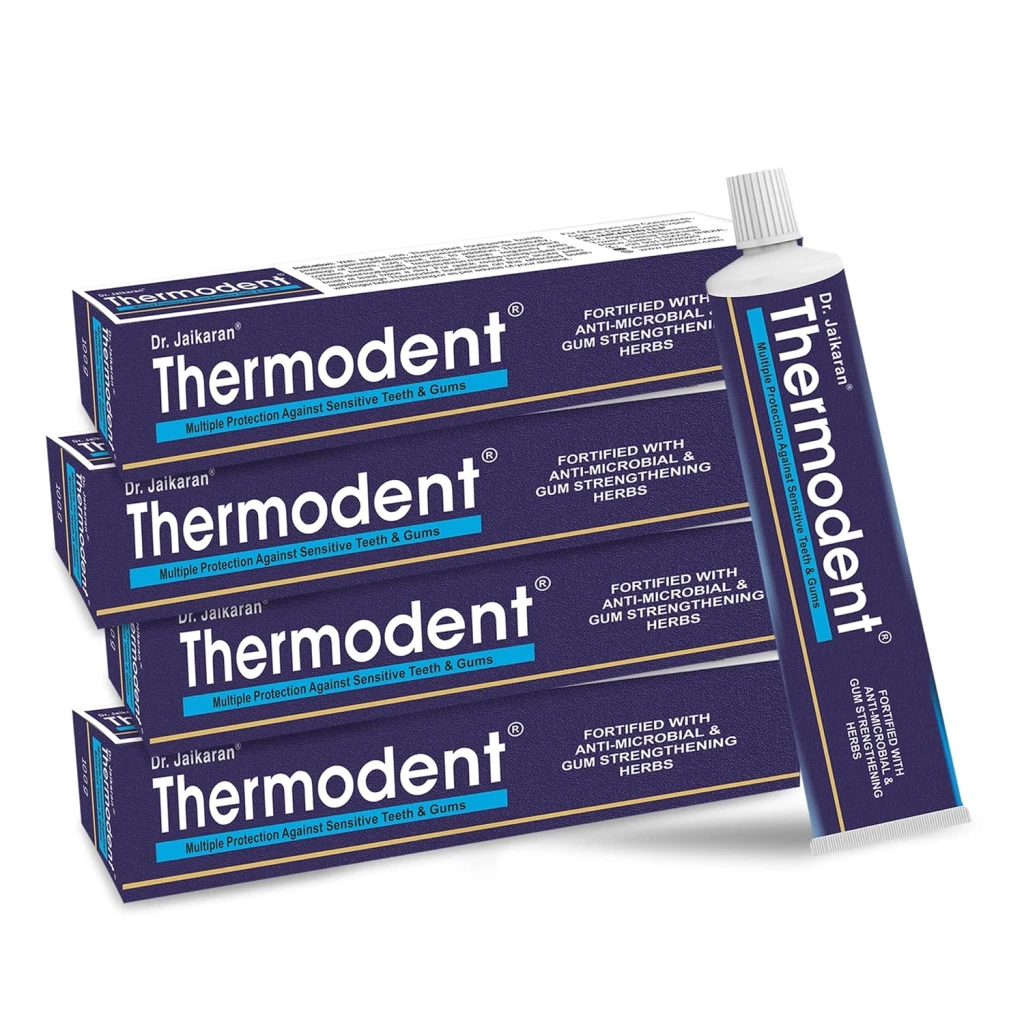 Thermodent DR.JAIKARAN Thermodent Sensitive Care Herbal Toothpaste
See the analysis
-
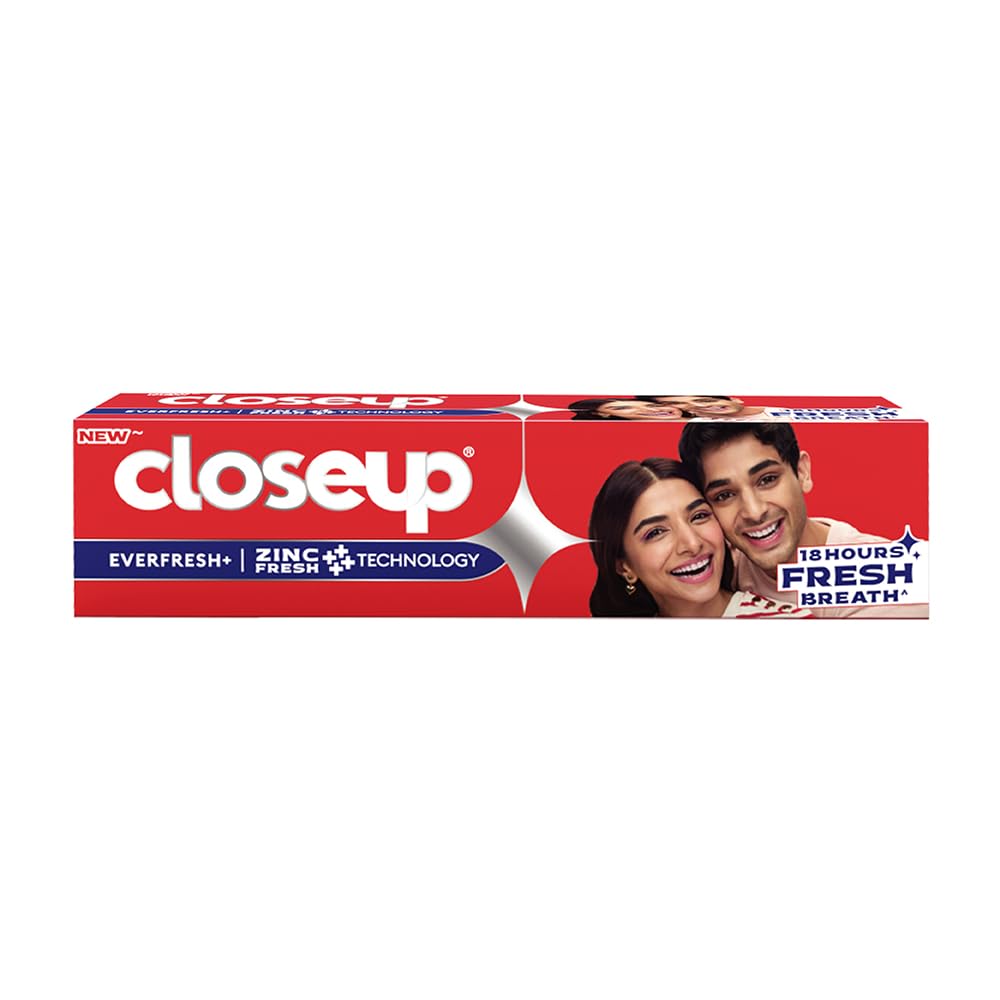 closeup Everfresh+ Zinc Fresh Technology
See the analysis
-
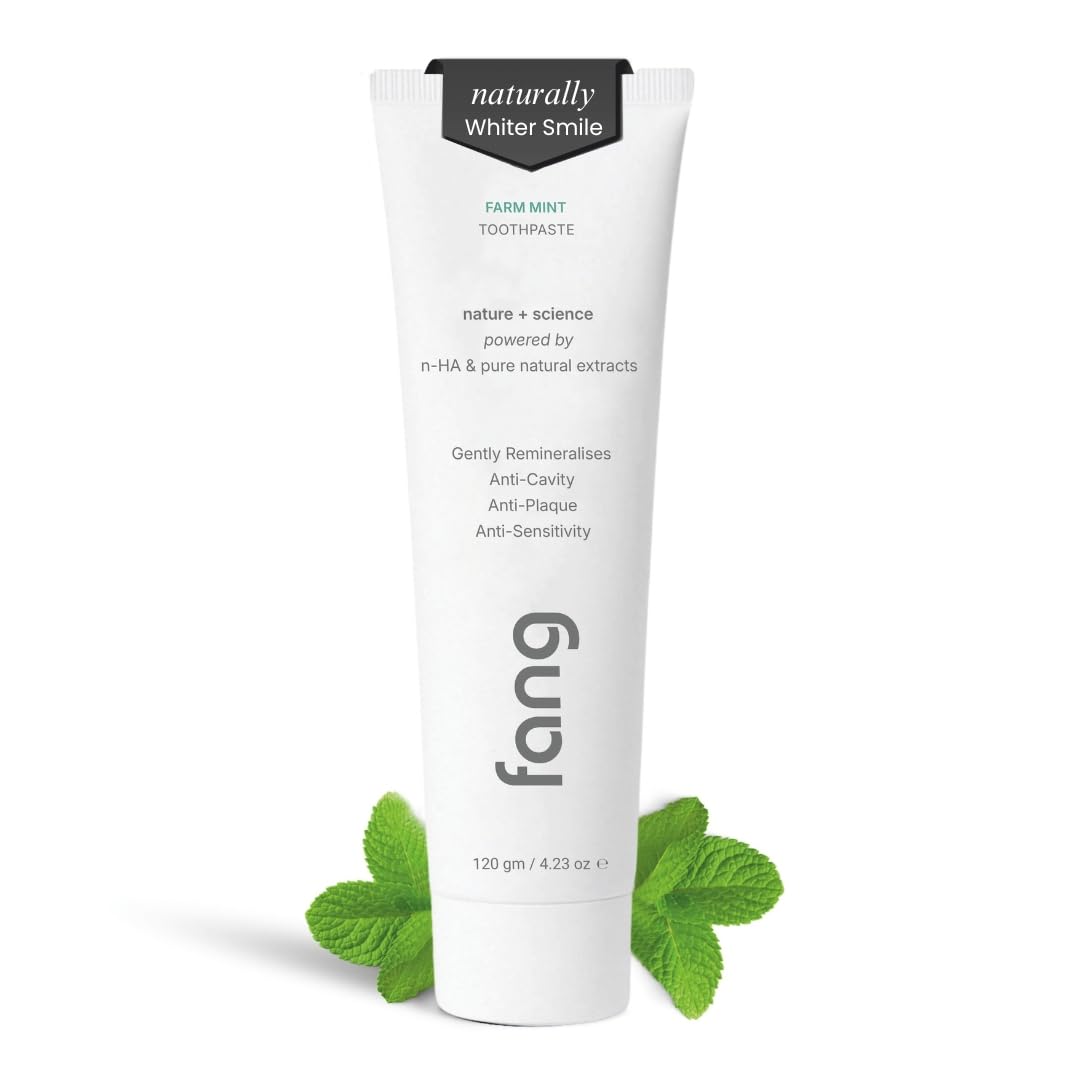 Fang Fang Farm Mint Natural Toothpaste
See the analysis
What are the ingredients in Dental Cream Anticavity Toothpaste Strong Teeth?
The label of Dental Cream Anticavity Toothpaste Strong Teeth lists 18 ingredients, in label order: Calcium Carbonate, Water, Sorbitol, Sodium Lauryl Sulfate, Arginine, Flavours, Titanium Dioxide, Hydrated Silica, Sodium Monofluorophosphate, Potassium Nitrate, Sodium Bicarbonate, Cellulose Gum, Sodium Silicate, Benzyl Alcohol, Sodium Saccharin, Xanthan Gum, Eugenol, Limonene. Flagged by the analysis: Sodium Lauryl Sulfate, Titanium Dioxide, Sodium Saccharin, Sorbitol, Sodium Monofluorophosphate and 1 more.
Is Dental Cream Anticavity Toothpaste Strong Teeth safe to use?
Dental Cream Anticavity Toothpaste Strong Teeth scores 3.9/10 on Decode Label (Concerning). The score is capped for a specific safety reason, set out below. This toothpaste includes Sodium Lauryl Sulfate, a common surfactant that can irritate oral mucous membranes, and Titanium Dioxide, which is no longer permitted as a food additive in the EU due to genotoxicity concerns when swallowed. While Titanium Dioxide's risk in toothpaste is low due to limited ingestion, its presence is a concern for those avoiding certain additives. It also contains declared fragrance allergens like Eugenol and Limonene, which may affect individuals with sensitivities.
Why does Dental Cream Anticavity Toothpaste Strong Teeth score 3.9/10?
Flagged in the score: Sodium Lauryl Sulfate (SLS) is a strong irritant for oral mucous membranes. Titanium Dioxide (E171) is a controversial additive, banned as a food additive in the EU due to genotoxicity concerns when ingested. Also noted: Undisclosed 'Flavours' reduce transparency.
Who should avoid Dental Cream Anticavity Toothpaste Strong Teeth?
The points the analysis notes are most relevant to: Sensitive to Sodium Lauryl Sulfate; Avoiding Titanium Dioxide; Sensitive to fragrance allergens (Eugenol, Limonene).
Does Dental Cream Anticavity Toothpaste Strong Teeth contain allergens?
Yes — the label lists 2 fragrance allergens: Eugenol and Limonene. These matter mainly if you have sensitive skin or a known fragrance allergy.
Are the claims on the Dental Cream Anticavity Toothpaste Strong Teeth pack accurate?
Decode Label checked 6 claims against the ingredient list and nutrition panel. "New Fresher Flavour" — can't be verified from the label. "SUPER SAVER" — can't be verified from the label.
Answers are generated from this product's own Decode Label analysis — the score, the ingredient list and the label claims shown above. Always check the pack itself for allergen and dietary information.
Reader reviews
How the product performed for people who used it — taste, value, everyday experience. Separate from the Decode Label score above, which rates what is on the label.
Sign in to leave a review.
Sign in →No reviews yet — be the first to share your experience.
Help us keep this accurate
Two quick questions about our analysis — not about the product.
Was this analysis helpful?
Tells us whether the breakdown above actually answered your question.
0 of 0 readers found this analysis helpful
Does your pack match this page?
Recipes change and packs get reformulated. If the ingredients or the panel on the pack in your hand differ from what we show, tell us and we will check it.
About this analysis: Based on declared label information and available evidence. Decode Label does not independently laboratory-test products, and a score is not a regulatory determination or medical advice.
Disclaimer: Safety scores are Decode Label-generated assessments based on publicly available regulatory data (FSSAI, WHO, EFSA, IARC) and peer-reviewed research. They are not a substitute for professional medical advice, and they are not a regulatory determination, a laboratory safety certification or a medical diagnosis. Ingredient safety can vary by individual health conditions, concentration, and usage context. Decode Label is an independent information service and scores every brand by the same rules. No brand pays for or influences its score. Our founder also founded the personal-care brand Botani Bestie (see our story); its products are scored exactly like everyone else's. Data limitations: This assessment is based on the information declared on the product label and the evidence sources above — Decode Label does not independently laboratory-test this product. Ingredient concentrations, sourcing and manufacturing can vary between batches and are not always disclosed. A finding that is not shown here means it was not identified from the available label information, not that it has been ruled out.
Report Error
If you believe this score is inaccurate, provide details below. Our team reviews every report and will update the rating if warranted.
Report submitted
Our team will review your report and update the rating if the evidence warrants it. Thank you for helping keep our data accurate.
Share this product
Dental Cream Anticavity Toothpaste Strong Teeth
Link copied — paste it in your Instagram bio or Story!