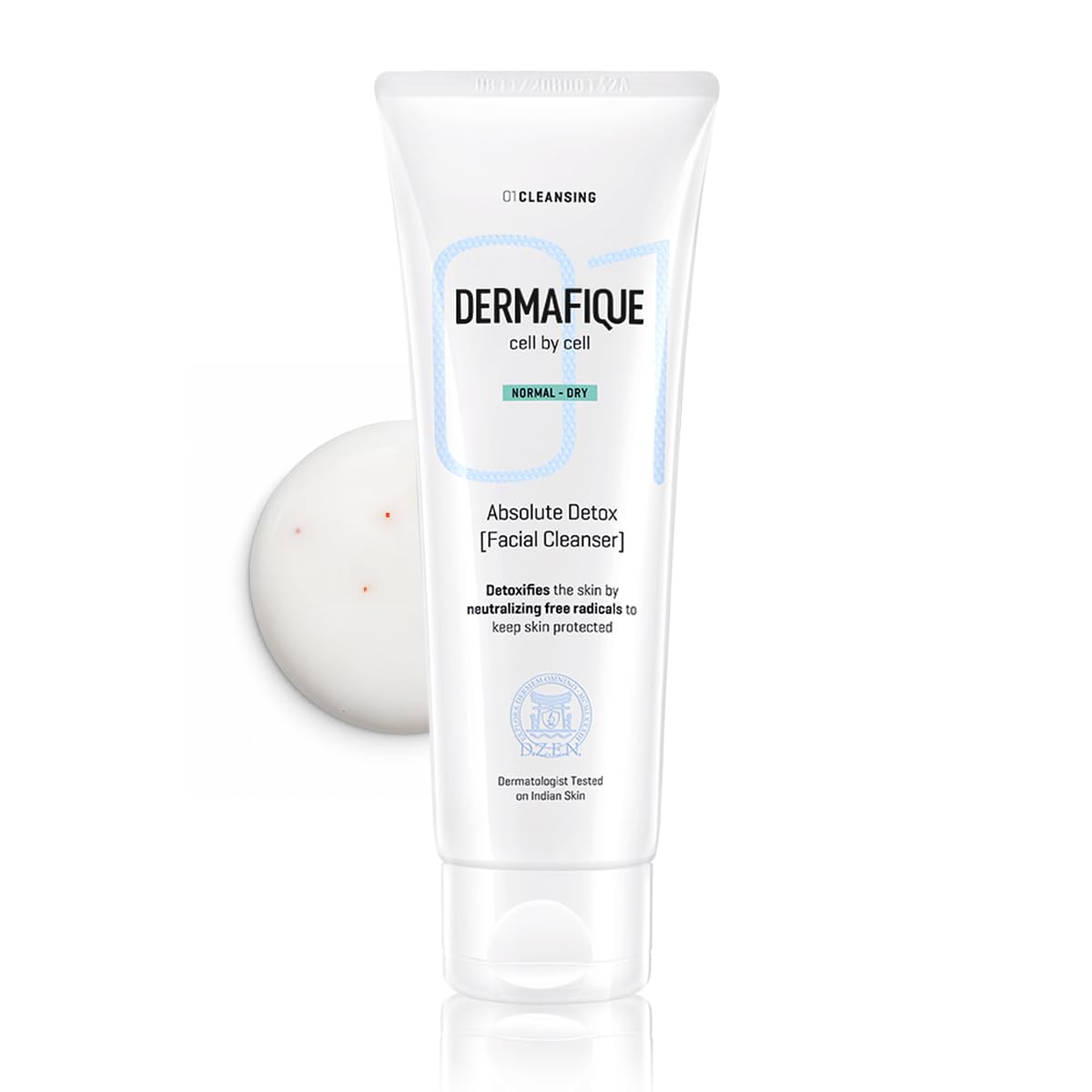
Pack image shown to identify the product. Decode Label is independent of DERMAFIQUE and is not sponsored or endorsed by it. Trademarks
Absolute Detox Facial Cleanser Normal - Dry
Decode Label Safety Score
How we got 3.5 ShowHide
Methodology v3.1 (updated 8 Oct 2026) — what changed
The score is capped for a specific safety reason, set out below. This rinse-off facial cleanser contains several ingredients that warrant caution, particularly for individuals with sensitive skin or fragrance allergies. The presence of DMDM Hydantoin, a formaldehyde-releasing preservative, is a significant concern due to its sensitizing potential. The product also includes Sodium Laureth Sulfate, a surfactant that can cause irritation, and an undisclosed 'Fragrance' blend, alongside multiple declared fragrance allergens, which increases the risk of allergic reactions for susceptible individuals. While the product is designed for rinse-off use, minimizing exposure time, these ingredients are still relevant for those seeking to avoid potential irritants and allergens.
At a glance
From the declared label — not a lab testFindings to weigh
What’s favorable
- Glycerin
- Decyl Glucoside
- Sodium Lauroyl Sarcosinate
- Disodium Cocoyl Glutamate
- Tocopheryl Acetate
- +1 more →
Formaldehyde-releasing preservative and undisclosed fragrance
The score is capped for a specific safety reason, set out below. This face wash contains DMDM Hydantoin, a preservative that releases formaldehyde, which is a known sensitizer. It also includes Sodium Laureth Sulfate, a surfactant that can irritate sensitive skin, and an undisclosed 'Fragrance' blend, along with several declared fragrance allergens, which are common causes of skin reactions for those with sensitivities. These ingredients are present in a rinse-off product, meaning exposure is brief, but caution is advised for sensitive individuals.
Consider this product carefully if you are
- Avoiding certain additives or colours — DMDM Hydantoin and Butylphenyl Methylpropional are declared.
Concern breakdown
Score out of 10 · higher = fewer concernsHow this product performs on each concern we check for skincare. This is a breakdown of the same evidence behind the score above — not a separate verdict.
Why the score is capped
Contains a formaldehyde-releasing preservative (EU SCCS)
Rule PC-CAP-01
Contains butylphenyl methylpropional, which is prohibited in EU cosmetics (or is a prescription drug) - it was removed on a safety finding
Rule PC-CAP-22 · Source: EU Cosmetics Regulation 1223/2009 Annex II (prohibited substances); Commission Regulations 2019/1966, 2021/1902, 358/2014
Primary surfactant with recognised irritation potential (EU SCCS)
Rule PC-CAP-05
High load of declared fragrance allergens (EU-listed)
Rule PC-CAP-03
What's good
Includes several mild surfactants (Cocamidopropyl Betaine, Decyl Glucoside, Sodium Lauroyl Sarcosinate, Disodium Cocoyl Glutamate) which are generally well-tolerated and help reduce the overall irritation potential of the cleansing system.
Contains humectants like Glycerin and Panthenol, which help to hydrate and soothe the skin.
Includes Tocopheryl Acetate (Vitamin E), an antioxidant.
Watch out for
The presence of DMDM Hydantoin, a formaldehyde-releasing preservative, is a significant concern for its sensitizing potential.
Sodium Laureth Sulfate can be irritating to sensitive skin and may contain trace 1,4-dioxane.
The undisclosed 'Fragrance' combined with multiple declared fragrance allergens (Hexyl Cinnamal, Limonene, Linalool, Citronellol, Butylphenyl Methylpropional) poses a high risk of allergic reactions for sensitive individuals. Butylphenyl Methylpropional is a restricted allergen.
Triethanolamine may form nitrosamines under certain conditions.
Benzophenone-4 has potential photosensitization and endocrine disruption concerns.
TETRASODIUM EDTA raises environmental concerns regarding biodegradability.
PEG-12 Dimethicone — ethoxylated ingredient - quality depends on removal of manufacturing impurities.
Propylene Glycol — humectant/solvent - occasional skin irritant at higher concentration.
Ingredient Concerns safety database
Sources cited below may be Indian (FSSAI) or international (EU, US, WHO, IARC) — an international classification or law is evidence, not an Indian regulatory finding.
Butylphenyl Methylpropional
Butylphenyl methylpropional (Lilial) was classified as toxic to reproduction (category 1B) and has been prohibited in cosmetics in the EU since March 2022. It is also a skin sensitiser.
Regulatory & scientific authority Source: Commission Regulation (EU) 2021/1902 (Annex II prohibition)
Butylphenyl Methylpropional: regulation, sources and other products →DMDM Hydantoin
DMDM hydantoin slowly releases formaldehyde as a preservative mechanism. Formaldehyde is a known carcinogen (IARC Group 1) and potent sensitiser. It can cause allergic contact dermatitis. The EU restricts its maximum concentration and requires labelling that it releases formaldehyde.
Regulatory & scientific authority Source: IARC; EU Cosmetics Regulation Annex V
DMDM Hydantoin: regulation, sources and other products →Sodium Laureth Sulfate
SLES is a cleansing agent that is milder than SLS but can still irritate very sensitive or compromised skin. Separately, because it is made by ethoxylation, it may carry a residue of 1,4-dioxane, which IARC classifies as possibly carcinogenic to humans (Group 2B). The ingredient list cannot show whether any is present or how much. The EU SCCS considers 1,4-dioxane at or below 10 ppm in a finished cosmetic to be safe, and manufacturers reduce it by vacuum stripping.
Regulatory & scientific authority Source: FDA; EU SCCS
Sodium Laureth Sulfate: regulation, sources and other products →Fragrance Allergens (EU-listed)
These are individual fragrance components that are known contact allergens. EU rules require them to be named on the label when present above 0.001% (leave-on) or 0.01% (rinse-off), because "parfum" alone would hide them. Limonene and linalool are especially common and become more allergenic as they oxidise on exposure to air. This is a risk for people who are sensitised, not a general-population hazard.
Regulatory & scientific authority Source: EU Regulation 2023/1545 (extended fragrance-allergen labelling); SCCS opinions on fragrance allergens
Fragrance Allergens (EU-listed): regulation, sources and other products →Benzophenone-4
Benzophenone-4 absorbs ultraviolet light and is used in sunscreens and to protect a formula from light. In its 2024 final opinion (SCCS/1660/23) the EU safety committee concluded it is safe at up to 5 percent as a UV filter, and that any other use must stay inside the same 5 percent limit. The committee also flagged that its potential endocrine-disrupting properties were a concern it could not fully close, so it is worth knowing about for people who avoid benzophenone-type filters.
Regulatory & scientific authority Source: SCCS/1660/23 final opinion on benzophenone-4 (4 April 2024); EU Regulation 1223/2009 Annex VI
Benzophenone-4: regulation, sources and other products →Triethanolamine
Triethanolamine is a pH adjuster and emulsifier. EU rules restrict alkanolamines because they can react with nitrosating agents (some preservatives) to form nitrosamines, which are carcinogenic; products must be formulated to avoid this. It can irritate skin at higher concentrations.
Regulatory & scientific authority Source: EU Regulation 1223/2009 (Annex III restrictions on alkanolamines and nitrosamine formation); SCCS
Triethanolamine: regulation, sources and other products →Fragrance
"Fragrance" or "parfum" is a catch-all term that can conceal a blend of hundreds of undisclosed chemicals, including known allergens, sensitisers, and potential endocrine disruptors. The EU now mandates disclosure of 82 specific fragrance allergens. People with fragrance sensitivity, asthma, or contact dermatitis should prefer fragrance-free products.
Regulatory & scientific authority Source: EU Regulation 2023/1545; IFRA
Fragrance: regulation, sources and other products →Cocamidopropyl Betaine
Cocamidopropyl betaine is the usual "gentle" co-surfactant in shampoos, face washes and baby washes. It was named Allergen of the Year by the American Contact Dermatitis Society in 2004; the reactions are attributed mainly to impurities (amidoamine, DMAPA) and are uncommon, but it is a common cause of surfactant allergy in people with eczema.
Peer-reviewed research Source: American Contact Dermatitis Society - Allergen of the Year 2004; contact-dermatitis literature
Cocamidopropyl Betaine: regulation, sources and other products →Polyethylene Glycols (PEGs)
PEG ingredients are made by ethoxylation, which can leave traces of ethylene oxide (IARC Group 1) and 1,4-dioxane (IARC Group 2B) unless removed. Good manufacturing removes them, so the ingredient itself is not a hazard, but the label cannot tell you whether it was done well. PEGs should not be applied to broken skin.
Regulatory & scientific authority Source: IARC Monographs Vol. 100F (ethylene oxide) and Vol. 71 (1,4-dioxane); Cosmetic Ingredient Review
Polyethylene Glycols (PEGs): regulation, sources and other products →Propylene Glycol (E1520)
Propylene glycol is a widely used humectant and solvent considered safe at normal levels. It can irritate or sensitise a minority of people, mainly in leave-on products on damaged or eczema-prone skin.
Peer-reviewed research Source: Cosmetic Ingredient Review; contact-dermatitis literature
Propylene Glycol: regulation, sources and other products →Decode Label Analysis
Contains DMDM Hydantoin, a formaldehyde-releasing preservative. Formaldehyde is classified by IARC as Group 1 (carcinogenic to humans) and is a known sensitizer. EU regulations require specific warnings for products releasing formaldehyde above certain thresholds.
Contains Sodium Laureth Sulfate, a surfactant that can irritate sensitive skin. It may also contain trace amounts of 1,4-dioxane, an IARC Group 2B (possibly carcinogenic to humans) impurity from the ethoxylation process, though EU SCCS considers levels ≤10 ppm safe in finished cosmetic products.
Contains 'Fragrance' (undisclosed blend) and multiple declared fragrance allergens (Hexyl Cinnamal, Limonene, Linalool, Citronellol, Butylphenyl Methylpropional). This high fragrance load is a common cause of allergic reactions and skin sensitization, especially for individuals with sensitive skin or fragrance allergies. Butylphenyl Methylpropional is restricted in EU cosmetics due to reproductive toxicity concerns.
Contains Triethanolamine, a pH adjuster that can form nitrosamines, which are IARC Group 2B possible carcinogens, under certain conditions when combined with nitrosating agents.
Contains Benzophenone-4, a UV filter with some concerns regarding photosensitization and potential endocrine disruption.
Combined Effects interactions
Triethanolamine, a pH adjuster, can react with other ingredients to form nitrosamines, which are IARC Group 2B possible carcinogens. While DMDM Hydantoin is a formaldehyde releaser, the primary concern for nitrosamine formation is typically with secondary amines and specific nitrosating agents, not directly with formaldehyde releasers. However, the presence of multiple reactive compounds warrants caution.
The combination of an undisclosed 'Fragrance' blend with multiple individually declared fragrance allergens significantly increases the overall allergenic potential of the product for individuals with sensitive skin or fragrance allergies. This cumulative load raises the risk of sensitization and allergic contact dermatitis.
Claim check
Front-of-pack marketing claims checked against this product's actual ingredients and nutrition. "Can't verify" means the label does not provide enough information to check the claim — it is not the same as the claim being false.
The claim 'Normal - Dry' indicates suitability for a specific skin type, which cannot be verified from the ingredient list alone.
The claim 'Dermatologist Tested on Indian Skin' is a certification or testing claim that cannot be verified from the provided ingredient list.
The product name includes 'Absolute Detox', and the description states it 'Detoxifies the skin by neutralizing free radicals to keep skin protected', which aligns with the concept of detox.
The ingredient list includes Tocopheryl Acetate (Vitamin E), Pomegranate Extract, and Mixed Plant Extracts, which are known antioxidants that can help neutralize free radicals and protect the skin.
Read straight from the back-of-pack photo — quantities, sections and any disguised terms, so the small print can’t hide behind the marketing.
50 entries as printed on the label · 46 distinct ingredients (some are declared more than once).
-
1.
WaterAQUA
-
2.
Sodium Laureth SulfateSODIUM LAURETH SULFATE
-
3.
GlycerinGLYCERIN
-
4.
Cocamidopropyl BetaineCOCAMIDOPROPYL BETAINE
-
5.
Acrylates CopolymerACRYLATES COPOLYMER
-
6.
Decyl GlucosideDECYL GLUCOSIDE
-
7.
Sodium Lauroyl SarcosinateSODIUM LAUROYL SARCOSINATE
-
8.
Sodium ChlorideSODIUM CHLORIDE
-
9.
CelluloseCELLULOSE
-
10.
Polysorbate 20POLYSORBATE 20
-
11.
PEG-12 DimethiconePEG-12 DIMETHICONE
-
12.
Disodium Cocoyl GlutamateDISODIUM COCOYL GLUTAMATE
-
13.
TriethanolamineTRIETHANOLAMINE
-
14.
Fragrance undisclosed fragranceFRAGRANCE
-
15.
DMDM HydantoinDMDM HYDANTOIN
-
16.
Tocopheryl AcetateTOCOPHERYL ACETATE
-
17.
PanthenolPANTHENOL
-
18.
Pomegranate ExtractPOMEGRANATE EXTRACT
-
19.
Mixed Plant ExtractsMIXED PLANT EXTRACTS
-
20.
Hydrogenated Jojoba OilHYDROGENATED JOJOBA OIL
-
21.
LactoseLACTOSE
-
22.
Hydroxypropyl MethylcelluloseHYDROXYPROPYL METHYLCELLULOSE
-
23.
Benzophenone-4BENZOPHENONE-4
-
24.
Tetrasodium EDTATETRASODIUM EDTA
-
25.
Pentaerythrityl Tetra-Di-T-Butyl HydroxyhydrocinnamatePENTAERYTHRITYL TETRA-DI-T-BUTYL HYDROXYHYDROCINNAMATE
-
26.
Hexyl CinnamalHEXYL CINNAMAL
-
27.
LimoneneLIMONENE
-
28.
LinaloolLINALOOL
-
29.
CitronellolCITRONELLOL
-
30.
Butylphenyl MethylpropionalBUTYLPHENYL METHYLPROPIONAL
-
31.
CI 77891 synthetic colour
-
32.
CI 77491 synthetic colour
-
33.
Aqua listed twice*CONTAINS AQUA
-
34.
Propylene Glycol listed twicePROPYLENE GLYCOL
-
35.
EthoxydiglycolETHOXYDIGLYCOL
-
36.
Glucose listed twiceGLUCOSE
-
37.
Ascorbyl Methylsilanol Pectinate listed twiceASCORBYL METHYLSILANOL PECTINATE
-
38.
Aqua listed twiceAQUA
-
39.
Propylene Glycol listed twicePROPYLENE GLYCOL
-
40.
Butylene GlycolBUTYLENE GLYCOL
-
41.
MethylpropanediolMETHYLPROPANEDIOL
-
42.
Glucose listed twiceGLUCOSE
-
43.
Ascorbyl Methylsilanol Pectinate listed twiceASCORBYL METHYLSILANOL PECTINATE
-
44.
Hippocastanum Seed Salvia Officinalis Leaf trace amountHIPPOCASTANUM SEED SALVIA OFFICINALIS LEAF
-
45.
Equisetum ArvenseEQUISETUM ARVENSE
-
46.
Tussilago Farfara Leaf trace amountTUSSILAGO FARFARA LEAF
-
47.
Rosmarinus OfficinalisROSMARINUS OFFICINALIS
-
48.
Urtica DioicaURTICA DIOICA
-
49.
Chamomilla Recutita Flower trace amountCHAMOMILLA RECUTITA FLOWER
-
50.
Melissa Officinalis Leaf Extracts trace amountMELISSA OFFICINALIS LEAF EXTRACTS
Trace amounts: some named ingredients appear in token quantities or low in the list. At these concentrations a meaningful benefit is unlikely, and their front-of-pack prominence may not reflect their level in the formulation.
Listed twice: an ingredient appears more than once in the same part of the list. This may indicate two separate ingredient blends in the formulation, or a duplication in how the label was recorded.
In label order — normally largest quantity first. Select a row for the full write-up and sources.
Fragrance allergens are substances EU cosmetics rules require to be named on the label (such as Limonene and Linalool). Fragrant botanicals such as essential oils are grouped with them because they can naturally contain such substances, but they are not on that list. They matter mainly for people with fragrance allergies or already-sensitive skin — not a general-population safety issue. Each named allergen takes a small deduction from the ingredient score, and a high count can cap it; fragrant botanicals take none. Naming them on the label is a transparency positive.
✓ Decode Label Assessment: Favorable ⚠ Decode Label Assessment: Concern Decode Label Assessment: Neutral
Who should take caution
About this ingredient
No detailed safety data in our database yet for this ingredient.
Learn More
Compare with other face wash products
Assessed using the same Decode Label methodology, sorted by score. Each score reflects the information available for that product at the time of assessment.
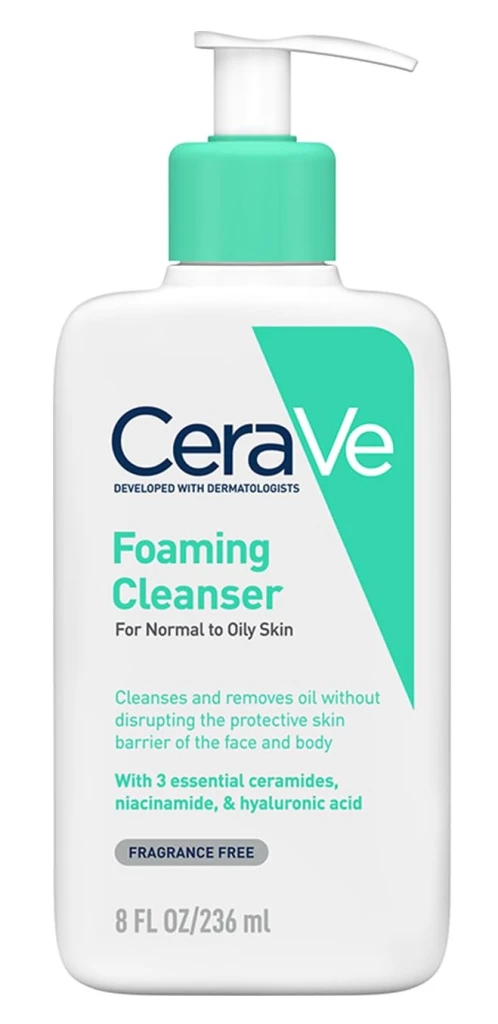
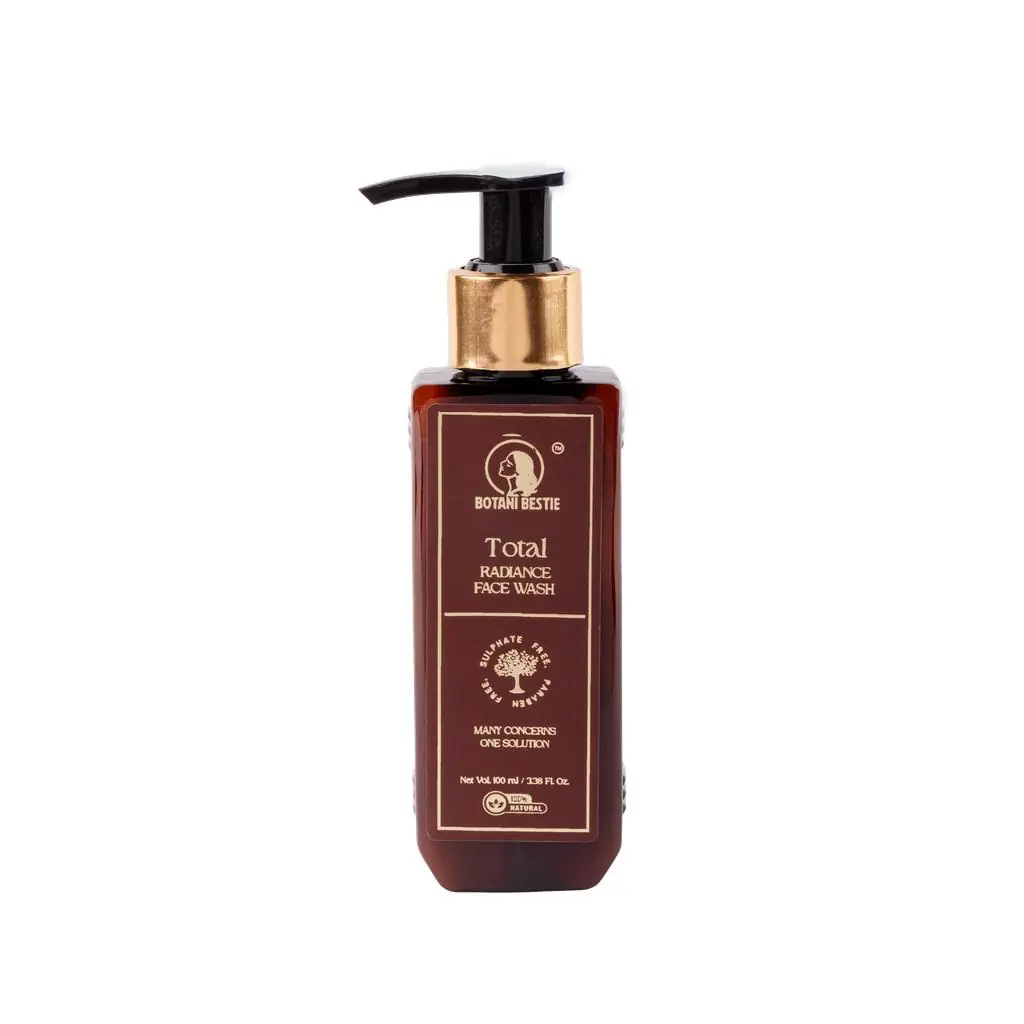
Also on this shelf
More Face Wash products we've analysed, in name order.
-
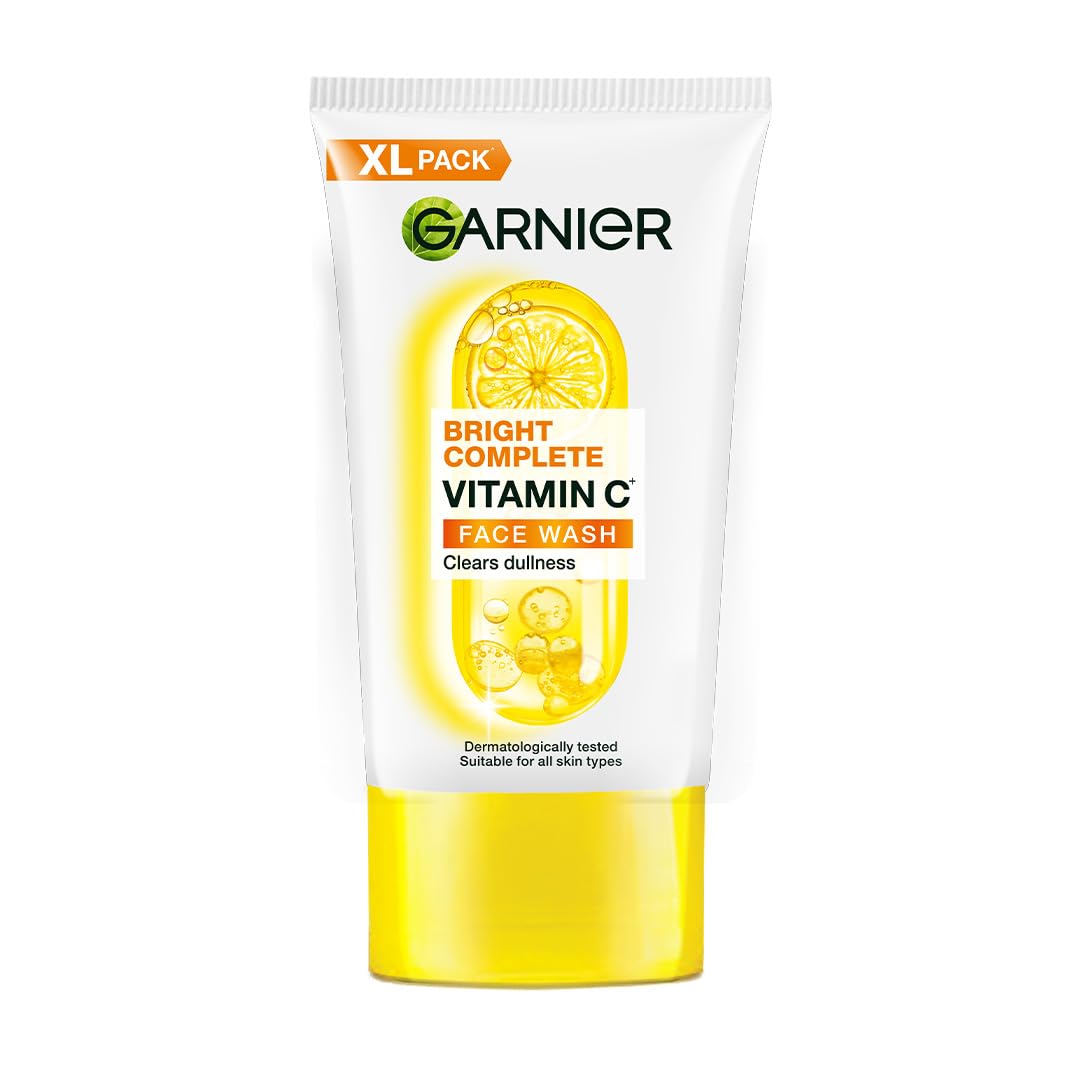 Garnier Bright Complete Vitamin C Face Wash
See the analysis
-
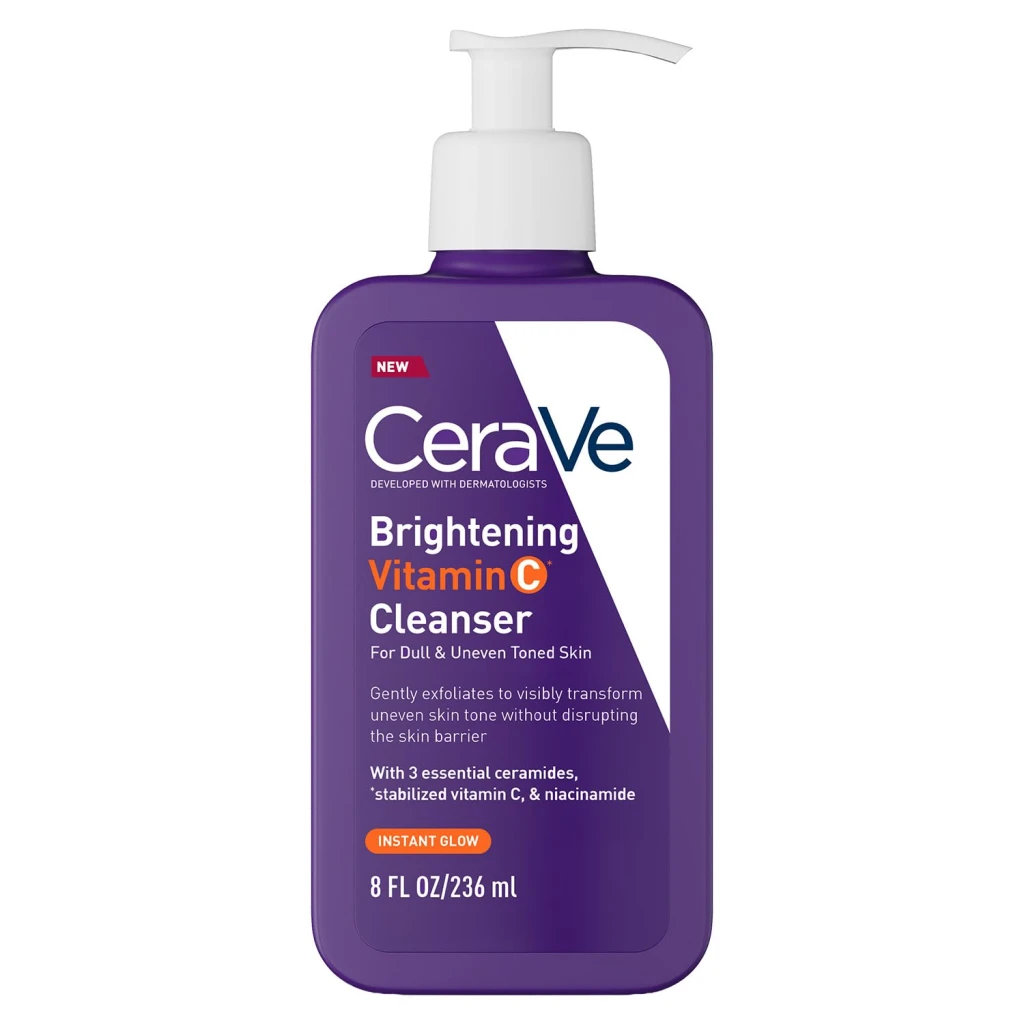 CeraVe Brightening Vitamin C Cleanser
See the analysis
-
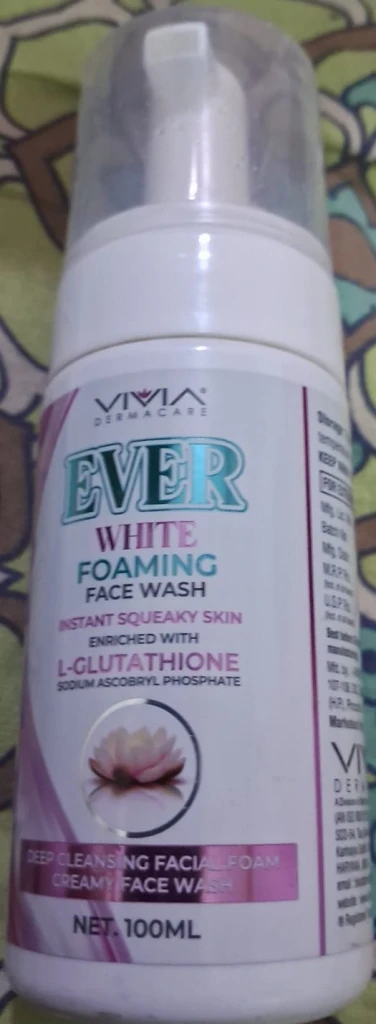 Ever White Ever White Foaming Face Wash
See the analysis
-
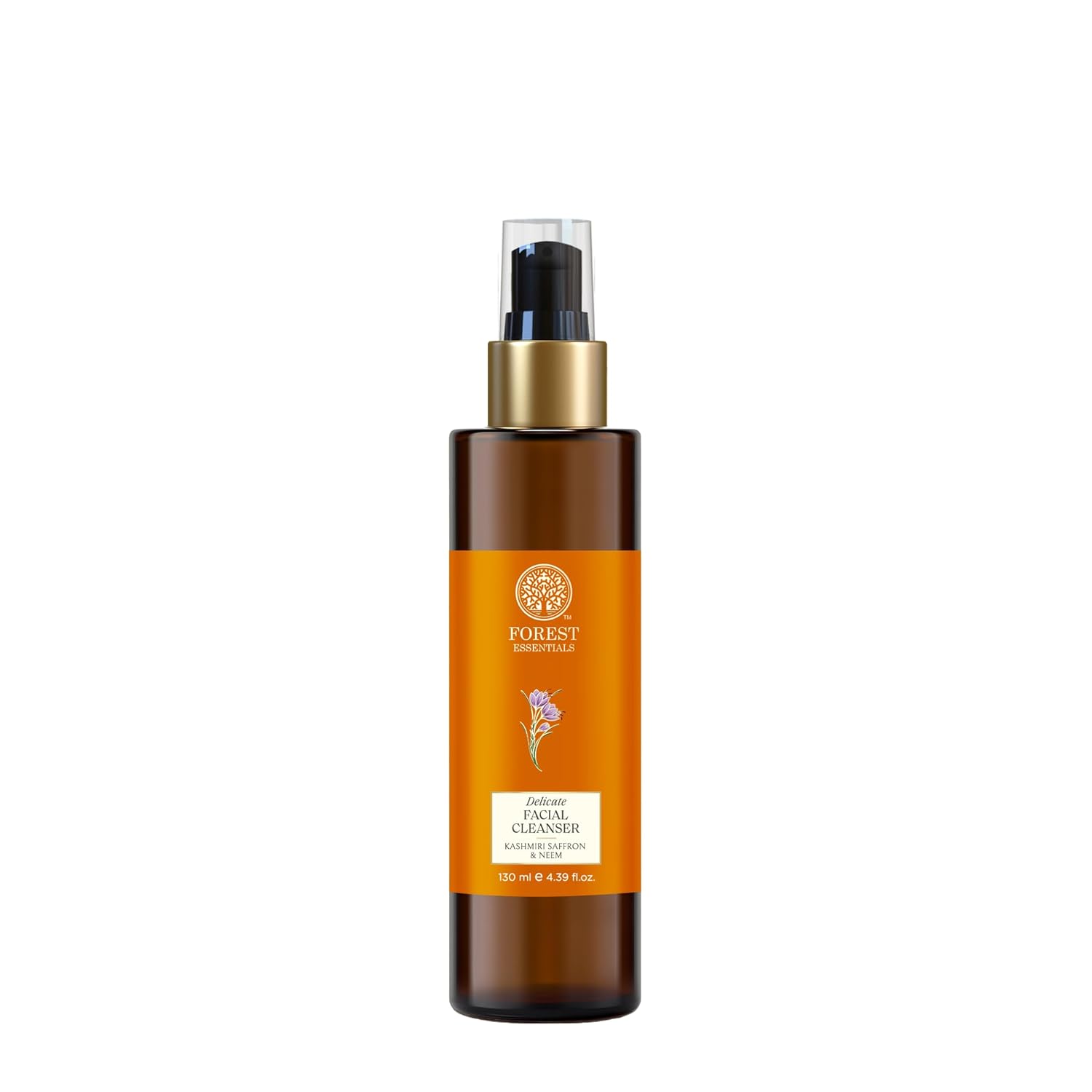 Forest Essentials Forest Essentials Facial Cleanser With Kashmiri Saffron & Neem
See the analysis
-
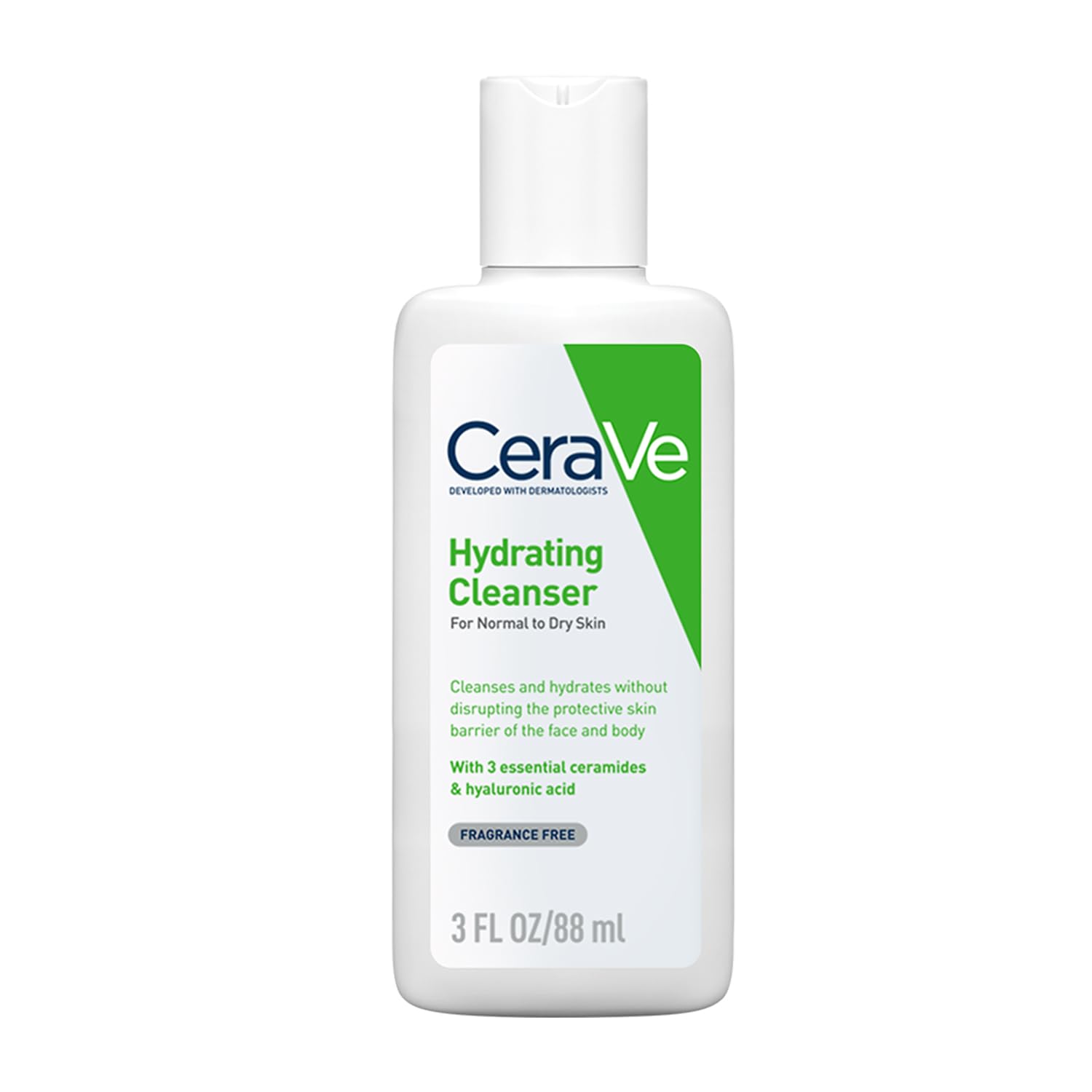 CeraVe Hydrating Cleanser
See the analysis
What are the ingredients in Absolute Detox Facial Cleanser Normal - Dry?
The label of Absolute Detox Facial Cleanser Normal - Dry lists 46 ingredients, in label order: Water, Sodium Laureth Sulfate, Glycerin, Cocamidopropyl Betaine, Acrylates Copolymer, Decyl Glucoside, Sodium Lauroyl Sarcosinate, Sodium Chloride, Cellulose, Polysorbate 20, PEG-12 Dimethicone, Disodium Cocoyl Glutamate, Triethanolamine, Fragrance, DMDM Hydantoin, Tocopheryl Acetate, Panthenol, Pomegranate Extract, Mixed Plant Extracts, Hydrogenated Jojoba Oil, Lactose, Hydroxypropyl Methylcellulose, Benzophenone-4, TETRASODIUM EDTA, Pentaerythrityl Tetra-di-t-butyl Hydroxyhydrocinnamate, Hexyl Cinnamal, Limonene, Linalool, Citronellol, Butylphenyl Methylpropional, CI 77891, CI 77491, Ethoxydiglycol, Aqua, Propylene Glycol, Butylene Glycol, Methylpropanediol, Glucose, Ascorbyl Methylsilanol Pectinate, Hippocastanum Seed Salvia Officinalis Leaf, and 6 more. Flagged by the analysis: DMDM Hydantoin, Sodium Laureth Sulfate, Triethanolamine, Fragrance, Benzophenone-4 and 4 more.
Is Absolute Detox Facial Cleanser Normal - Dry safe to use?
Absolute Detox Facial Cleanser Normal - Dry scores 3.5/10 on Decode Label (Concerning). The score is capped for a specific safety reason, set out below. This face wash contains DMDM Hydantoin, a preservative that releases formaldehyde, which is a known sensitizer. It also includes Sodium Laureth Sulfate, a surfactant that can irritate sensitive skin, and an undisclosed 'Fragrance' blend, along with several declared fragrance allergens, which are common causes of skin reactions for those with sensitivities. These ingredients are present in a rinse-off product, meaning exposure is brief, but caution is advised for sensitive individuals.
Why does Absolute Detox Facial Cleanser Normal - Dry score 3.5/10?
Flagged in the score: The presence of DMDM Hydantoin, a formaldehyde-releasing preservative, is a significant concern for its sensitizing potential. Sodium Laureth Sulfate can be irritating to sensitive skin and may contain trace 1,4-dioxane. The undisclosed 'Fragrance' combined with multiple declared fragrance allergens (Hexyl Cinnamal, Limonene, Linalool, Citronellol, Butylphenyl Methylpropional) poses a high risk of allergic reactions for sensitive individuals. Butylphenyl Methylpropional is a restricted allergen.
Who should avoid Absolute Detox Facial Cleanser Normal - Dry?
The points the analysis notes are most relevant to: Sensitive skin or fragrance allergies; Avoiding formaldehyde-releasing preservatives; Avoiding Sodium Laureth Sulfate; Avoiding undisclosed fragrance blends.
Does Absolute Detox Facial Cleanser Normal - Dry contain allergens?
Yes — the label lists 5 fragrance allergens: Butylphenyl Methylpropional, Hexyl Cinnamal, Limonene, Linalool and Citronellol. It also lists a fragrant botanical (Rosmarinus Officinalis) that can naturally contain fragrance allergens. These matter mainly if you have sensitive skin or a known fragrance allergy.
Does Absolute Detox Facial Cleanser Normal - Dry contain fragrance?
Yes — the ingredient list includes Fragrance. Fragrance is declared as a single ingredient, so the individual scent chemicals in it are not named; the label does separately list 5 fragrance allergens (Butylphenyl Methylpropional, Hexyl Cinnamal, Limonene, Linalool and Citronellol). This matters mainly if you have sensitive skin or a known fragrance allergy.
Are the claims on the Absolute Detox Facial Cleanser Normal - Dry pack accurate?
Decode Label checked 4 claims against the ingredient list and nutrition panel. "Normal - Dry" — can't be verified from the label. "Dermatologist Tested on Indian Skin" — can't be verified from the label.
Answers are generated from this product's own Decode Label analysis — the score, the ingredient list and the label claims shown above. Always check the pack itself for allergen and dietary information.
Reader reviews
How the product performed for people who used it — taste, value, everyday experience. Separate from the Decode Label score above, which rates what is on the label.
Sign in to leave a review.
Sign in →No reviews yet — be the first to share your experience.
Help us keep this accurate
Two quick questions about our analysis — not about the product.
Was this analysis helpful?
Tells us whether the breakdown above actually answered your question.
0 of 0 readers found this analysis helpful
Does your pack match this page?
Recipes change and packs get reformulated. If the ingredients or the panel on the pack in your hand differ from what we show, tell us and we will check it.
About this analysis: Based on declared label information and available evidence. Decode Label does not independently laboratory-test products, and a score is not a regulatory determination or medical advice.
Disclaimer: Safety scores are Decode Label-generated assessments based on publicly available regulatory data (FSSAI, WHO, EFSA, IARC) and peer-reviewed research. They are not a substitute for professional medical advice, and they are not a regulatory determination, a laboratory safety certification or a medical diagnosis. Ingredient safety can vary by individual health conditions, concentration, and usage context. Decode Label is an independent information service and scores every brand by the same rules. No brand pays for or influences its score. Our founder also founded the personal-care brand Botani Bestie (see our story); its products are scored exactly like everyone else's. Data limitations: This assessment is based on the information declared on the product label and the evidence sources above — Decode Label does not independently laboratory-test this product. Ingredient concentrations, sourcing and manufacturing can vary between batches and are not always disclosed. A finding that is not shown here means it was not identified from the available label information, not that it has been ruled out.
Report Error
If you believe this score is inaccurate, provide details below. Our team reviews every report and will update the rating if warranted.
Report submitted
Our team will review your report and update the rating if the evidence warrants it. Thank you for helping keep our data accurate.
Share this product
Absolute Detox Facial Cleanser Normal - Dry
Link copied — paste it in your Instagram bio or Story!