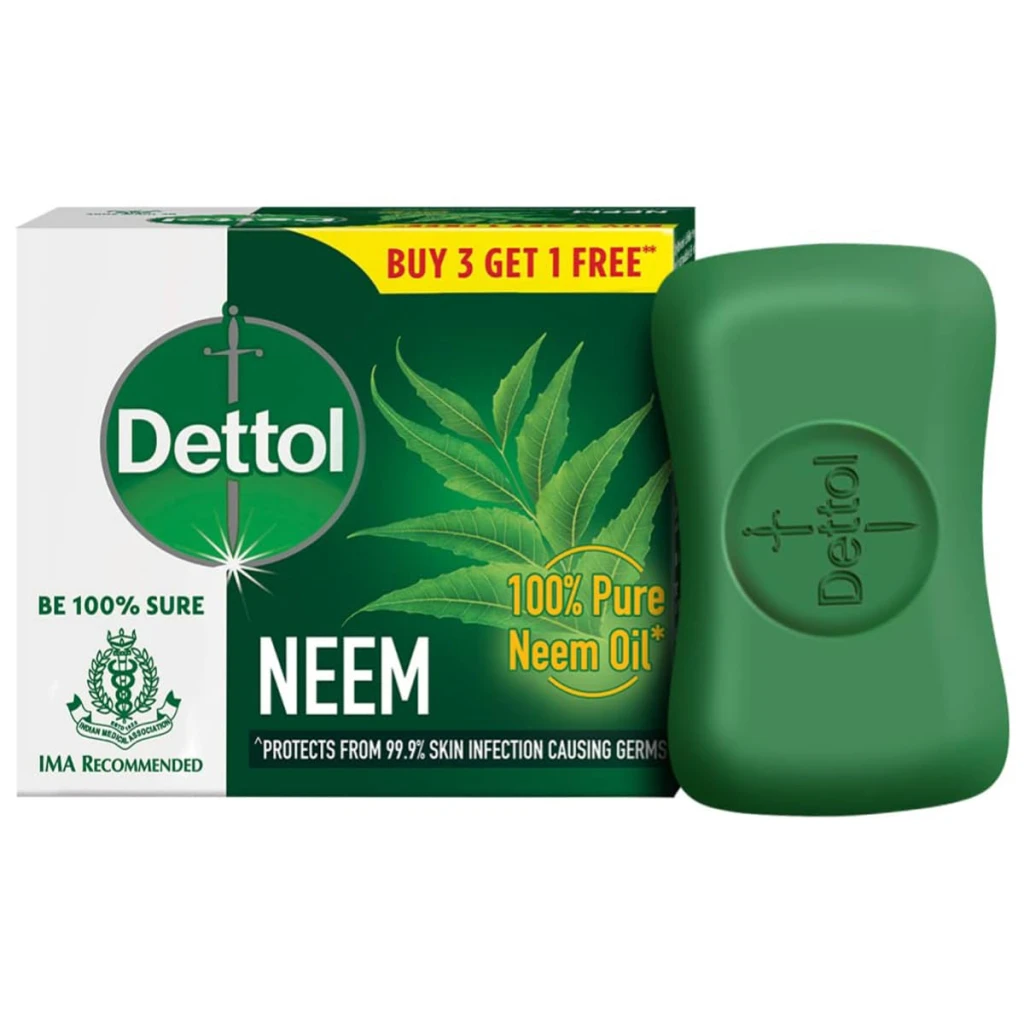
 5.3 /10
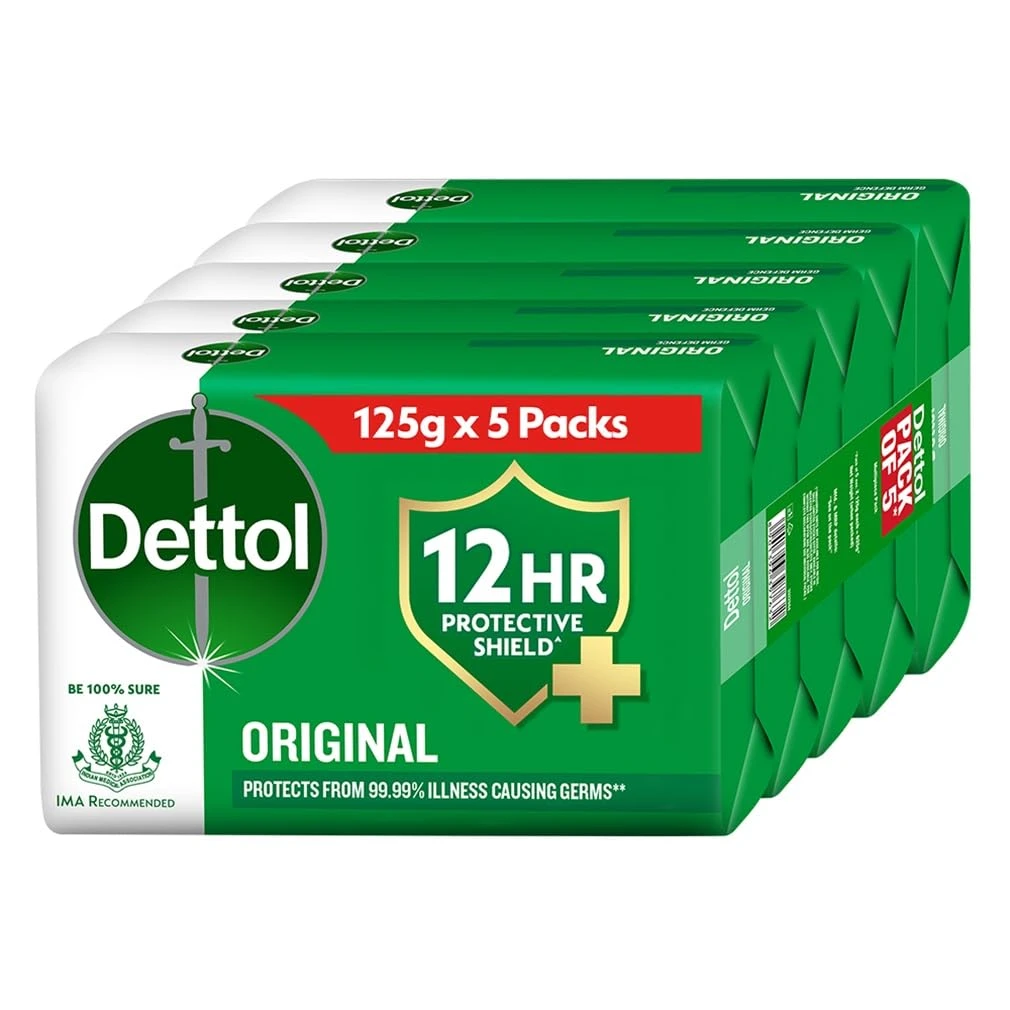 5.0 /10
Dettol Neem Bathing Soap Bar vs Dettol Original Germ Protection Bathing Soap Bar
Decode Label-scored on the concerns that matter for Bath Body — the facts from each label, side by side. We decode, you decide.
Pack images are shown to identify the products. Decode Label is independent of Dettol and is not sponsored or endorsed by it. Trademarks
What's different
- •Only Dettol Neem Bathing Soap Bar lists the flagged ingredients Sodium C14-16 Olefin Sulfonate and CI 74160.
- •Only Dettol Original Germ Protection Bathing Soap Bar lists the flagged ingredients Climbazole, CI 21100/CI 11680 and CI 12490.
- •Only Dettol Neem Bathing Soap Bar lists the allergens Camphor, Linalool, Citral and Benzyl Salicylate and 2 more.
Dettol Neem Bathing Soap Bar
Not ahead on any concern we check.
Dettol Original Germ Protection Bathing Soap Bar
Fewer concerns on: Harsh Surfactants & Irritants
Scores: 5.3 and 5.0 — within 0.5 of a point in the same band, so the gap is noise rather than a difference. Which difference matters most depends on who is eating or using it — that's your call.
A higher score means fewer or lighter concerns found under Decode Label's published rules. It is not a medical "safe", and a lower score does not establish that a product is unsafe.
Safety Score
Dettol Neem Bathing Soap Bar is a cleansing bar with a high fragrance load and the inclusion of a potentially irritating surfactant.
Safety Score
Dettol Original Germ Protection Bathing Soap Bar offers germ protection with a slightly milder surfactant profile but still carries a high fragrance load.
Side by side
What each label says.
Fragrance allergens matter mainly if you have sensitive skin or a known fragrance allergy.
What these labels can't tell us
- How much of each ingredient is in the product — labels list order, not amounts.
- What is inside a bare "Fragrance" — it can include allergens the label does not name.
- How the finished product performs, or how your skin or scalp will react — an ingredient list cannot show either.
- Anything a laboratory test would find — Decode Label reads labels; it does not test products.
Concern match
A separate lens from the overall Safety Score above — how well each product suits a specific concern, not an overall verdict. Each concern is scored 0–10: higher means less of that concern (5 ≈ neutral).
What matters most to you?
…or what you want it to do — read from the ingredients, not scored by the engine
For , scores higher ( vs ). This is only a per-concern fit lens — it doesn't change the overall safety score, where still has the higher score.
For , the two are evenly matched. The overall safety verdict is unchanged.
This one is read from the two ingredient lists rather than measured by the Decode Label engine — useful for choosing, but it is not a safety finding.
Dettol Original Germ Protection Bathing Soap Bar scores higher due to the absence of Sodium C14-16 Olefin Sulfonate, which is present in Dettol Neem Bathing Soap Bar and can be more irritating for some skin types.
Both products contain 'Parfum' and a variety of fragrance allergens such as Linalool, Citral, Benzyl Salicylate, Limonene, and Coumarin, contributing to a similar high allergen load.
Both products utilize Etidronic Acid and Tetrasodium EDTA, which are common chelating agents and preservatives, resulting in similar safety profiles for this concern.
Both products are considered even as neither lists ingredients commonly recognized as endocrine disruptors in significant concentrations.
Both Dettol Neem Bathing Soap Bar and Dettol Original Germ Protection Bathing Soap Bar contain Talc, an ingredient that has been associated with an IARC carcinogen classification, leading to an equivalent risk assessment.
Both products are soap bars primarily composed of Sodium Palmate and Sodium Palm Kernelate, which typically result in an alkaline pH that can be less favorable for the skin barrier, making them equivalent in this aspect.
Both Dettol Neem Bathing Soap Bar and Dettol Original Germ Protection Bathing Soap Bar provide a comprehensive list of ingredients, including individual fragrance components, demonstrating similar levels of transparency.
Declared ingredients linked to common bath & body goals
Ingredient read — not a safety scoreRead from the two ingredient lists rather than measured by the Decode Label engine, so these sit apart from the scores above and do not change the verdict. 5 means neutral — no ingredient that helps or hinders. Traditional cosmetic use, not a medical claim — and the ingredient list alone does not establish that the finished product delivers the benefit.
Skin Dryness & Moisturisation
EvenBoth products contain Glycerin, a humectant, which can help attract moisture to the skin, offering a slight benefit against dryness.
Harsh Surfactants & Sulfates (SLS/SLES)
Stronger ingredient match: Dettol Original Germ Protection Bathing Soap Bar +1.0Dettol Neem Bathing Soap Bar contains Sodium C14-16 Olefin Sulfonate, a harsher surfactant, while Dettol Original Germ Protection Bathing Soap Bar does not list this ingredient, making it less harsh.
Parabens & Preservatives
EvenNeither product lists parabens, and both use Etidronic Acid and Tetrasodium EDTA as chelating agents and preservatives, which are generally considered acceptable.
pH Balance & Skin Barrier
EvenAs traditional soap bars primarily made from Sodium Palmate and Sodium Palm Kernelate, both products are likely to have an alkaline pH, which can disrupt the skin's natural acid mantle.
Antibacterial & Hygiene
Stronger ingredient match: Dettol Original Germ Protection Bathing Soap Bar +2.5Dettol Original Germ Protection Bathing Soap Bar contains Climbazole, an antimicrobial agent, specifically for germ protection, while Dettol Neem Bathing Soap Bar does not list a comparable active.
Long-Lasting Freshness & Odour Control
Stronger ingredient match: Dettol Neem Bathing Soap Bar +0.5Dettol Neem Bathing Soap Bar includes Menthol and Camphor, which can provide a cooling sensation and contribute to a feeling of freshness, alongside the general cleansing action of both products.
Skin Irritation & Sensitivity
Stronger ingredient match: Dettol Original Germ Protection Bathing Soap Bar +0.5Both products contain a high load of various fragrance ingredients and allergens, such as Limonene and Linalool, which can be irritating for sensitive skin, with Dettol Neem Bathing Soap Bar also containing a harsher surfactant.
Dettol Neem Bathing Soap Bar
In its favour, from the label
- Contains Menthol and Camphor for a cooling sensation
- Good label transparency with listed fragrance components
Label findings to note
- Contains an ingredient with an IARC carcinogen classification (e.g. talc)
- High load of declared fragrance allergens (EU-listed)
- Contains Sodium C14-16 Olefin Sulfonate, a harsher surfactant
Dettol Original Germ Protection Bathing Soap Bar
In its favour, from the label
- Contains Climbazole for antimicrobial properties
- Absence of Sodium C14-16 Olefin Sulfonate compared to the other product
- Good label transparency with listed fragrance components
Label findings to note
- Contains a restricted antimicrobial biocide
- Contains an ingredient with an IARC carcinogen classification (e.g. talc)
- High load of fragrance allergens
Dettol Neem Bathing Soap Bar vs Dettol Original Germ Protection Bathing Soap Bar — frequently asked questions
Dettol Neem Bathing Soap Bar's ingredient list includes Camphor, Linalool, Citral, Benzyl Salicylate, Limonene and COUMARIN. It also lists a bare "Fragrance", whose components — which can include allergens — are not disclosed. Dettol Original Germ Protection Bathing Soap Bar's ingredient list includes Limonene. It also lists a bare "Fragrance", whose components — which can include allergens — are not disclosed.
Dettol Neem Bathing Soap Bar lists Talc, Parfum, Sodium C14-16 Olefin Sulfonate, CI 74160 and TETRASODIUM EDTA. Dettol Original Germ Protection Bathing Soap Bar lists Talc, Climbazole, Parfum, CI 21100/CI 11680, CI 12490 and TETRASODIUM EDTA.
Flagged ingredients in this comparison
Who classified each one, its regulation, and how common it is across the catalogue.
Related comparisons
Other side-by-sides you may want next.
-
 Dettol Cologne Fresh Bathing Soap Bar
vs
Dettol Neem Bathing Soap Bar
-
 Dettol Cologne Fresh Bathing Soap Bar
vs
Dettol Original Germ Protection Bathing Soap Bar
-
 Dettol Icy Cool Bathing Soap Bar
vs
Dettol Neem Bathing Soap Bar
-
Dettol Icy Cool Bathing Soap Bar
vs
Dettol Original Germ Protection Bathing Soap Bar
-
Dettol Cologne Fresh Bathing Soap Bar
vs
Dettol Icy Cool Bathing Soap Bar
-
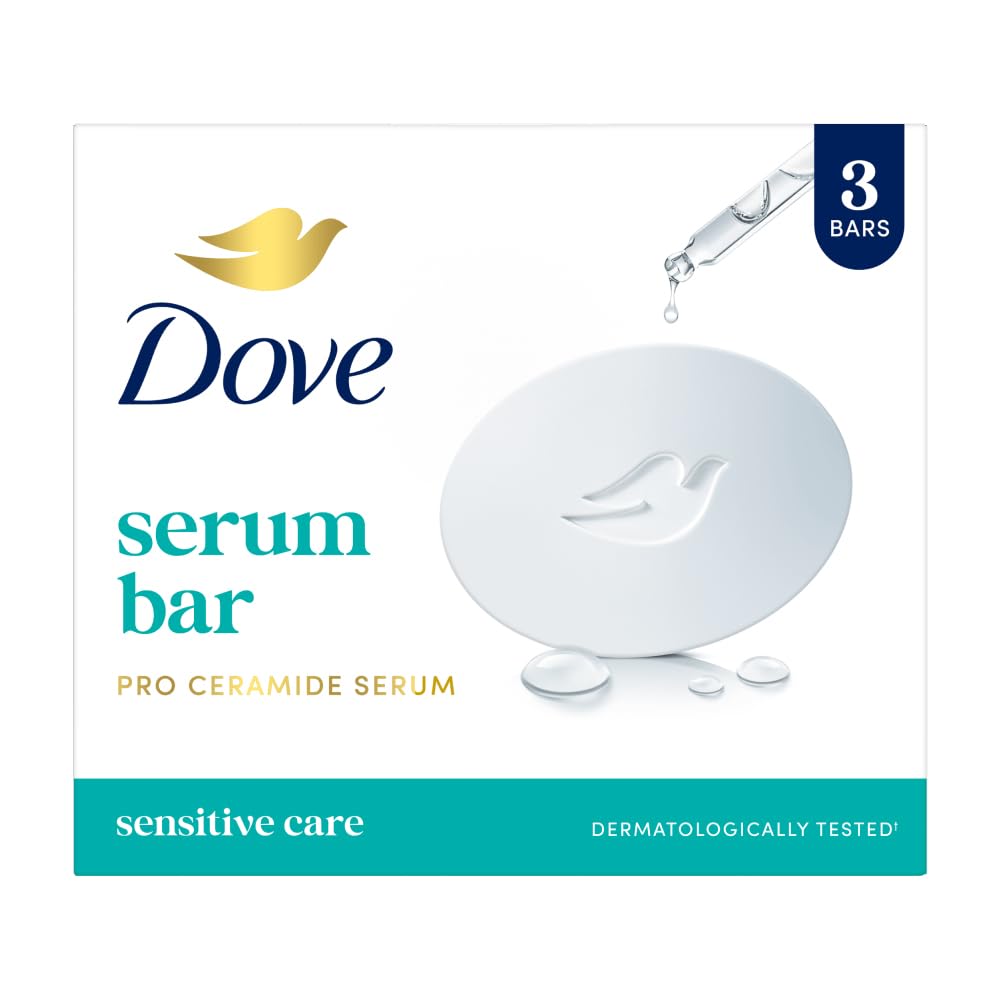
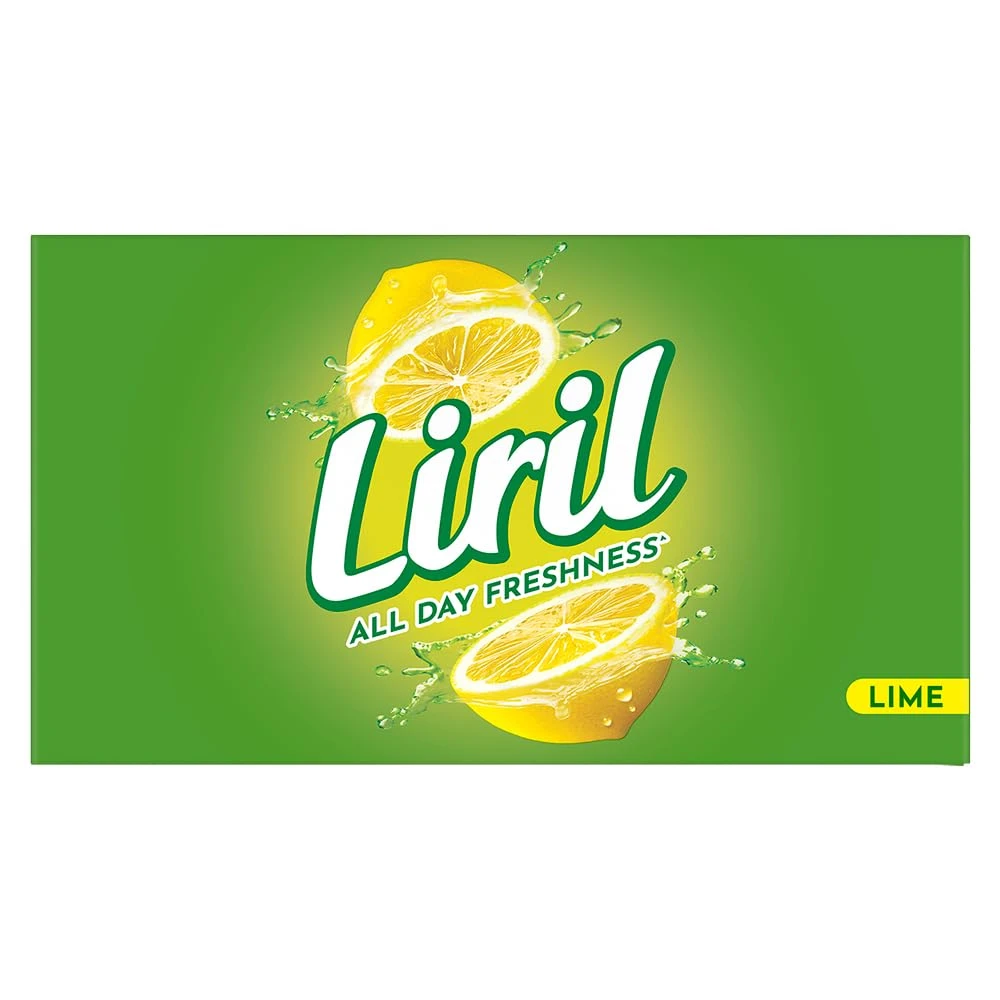 Dove Serum Bar | with Pro-Ceramide Serum
vs
Liril Lime Bathing Bar
Comparison generated by Decode Label from each product's listed ingredients. Every score and flagged finding comes from Decode Label's rules engine; the explanations and the ingredient read are written with AI and cannot change a score. Always read the actual label.