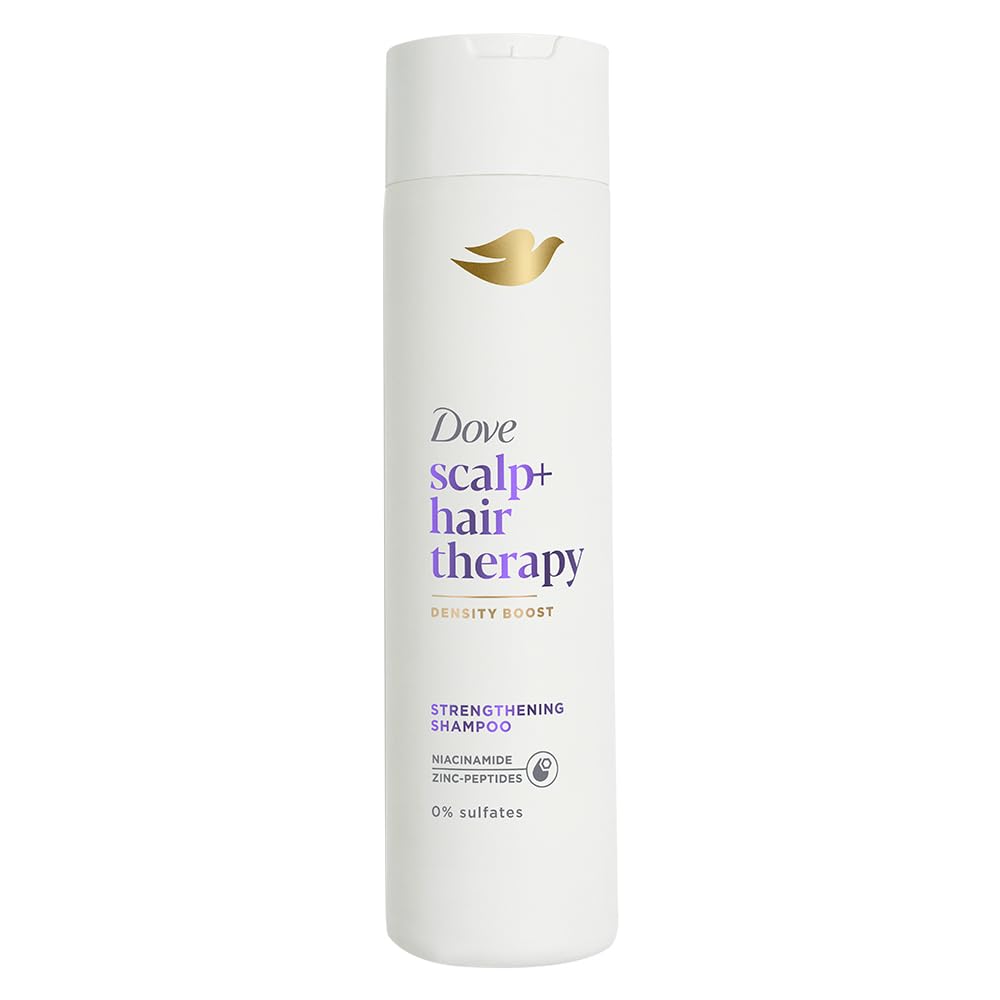
Pack image shown to identify the product. Decode Label is independent of Dove and is not sponsored or endorsed by it. Trademarks
Brand owned by Unilever (United Kingdom) · about the brand
Scalp+ Hair Therapy Density Boost Strengthening Shampoo
Decode Label Safety Score
How we got 5.0 ShowHide
Methodology v3.1 (updated 8 Oct 2026) — what changed
This shampoo uses a blend of surfactants, including Sodium C14-16 Olefin Sulfonate and Sodium Laureth Sulfate, which are known for their cleansing power but can be irritating for individuals with sensitive skin or scalp. The presence of 'Fragrance' without specific disclosure of its components raises transparency concerns and is a common source of allergens. While the product contains beneficial ingredients like Niacinamide and Hydrolyzed Yeast Protein, their position late in the ingredient list suggests they are not primary active components. Individuals with sensitive skin or fragrance allergies should exercise caution.
At a glance
From the declared label — not a lab testFindings to weigh
What’s favorable
- Guar Hydroxypropyltrimonium Chloride
- Hydrolyzed Yeast Protein
- Niacinamide
- Zinc Gluconate
Shampoo with strong surfactants and undisclosed fragrance
This shampoo contains strong cleansing agents like Sodium C14-16 Olefin Sulfonate and Sodium Laureth Sulfate, which can be harsh for sensitive skin. It also includes 'Fragrance', an undisclosed blend that is a common allergen. While some beneficial ingredients are present, they are in low concentrations.
Personal check · free
Is this right for you or your family?
Just checking whether the product is safe? The analysis above is yours, no account needed. To know if it is safe for you, your father or your child, add a profile and we check this label against them.
- Ingredients you avoid. Sulphates, parabens, silicones, fragrance, drying alcohol, PEGs and more.
- Sensitivities. Sensitive skin, hormonal considerations, pregnancy.
- Skin and hair goals. Acne, dryness, ageing, hair fall, dandruff: what the label declares for each.
- Everyone you buy for. Save a profile for each person and switch in one tap.
Concern breakdown
Score out of 10 · higher = fewer concernsHow this product performs on each concern we check for haircare. This is a breakdown of the same evidence behind the score above — not a separate verdict.
Why the score is capped
Primary surfactant with recognised irritation potential (EU SCCS)
Rule PC-CAP-05
What's good
Includes conditioning agents like Guar Hydroxypropyltrimonium Chloride
Contains beneficial ingredients for scalp health such as Niacinamide and Zinc Gluconate
Watch out for
Presence of strong anionic surfactants (Sodium C14-16 Olefin Sulfonate, Sodium Laureth Sulfate) which may be irritating
Undisclosed 'Fragrance' blend, a common allergen
Potential for 1,4-dioxane impurity from ethoxylated ingredients like Sodium Laureth Sulfate and PEG-45M
Declared fragrance allergens Limonene and Linalool
Disodium EDTA — disodium EDTA is a chelating agent that keeps a product stable and clear. It has been flagged in some studies for potential endocrine-disrupting properties; regulatory consensus is not yet established, so it is noted as a low-level concern rather than a confirmed hazard.
Ingredient Concerns safety database
Sources cited below may be Indian (FSSAI) or international (EU, US, WHO, IARC) — an international classification or law is evidence, not an Indian regulatory finding.
Sodium Benzoate (E211)
Benzoates are permitted preservatives with an established acceptable daily intake. Two documented concerns: in acidic drinks that also contain ascorbic acid (vitamin C) they can slowly form small amounts of benzene, especially with heat and light (US FDA beverage survey, 2006); and sodium benzoate was one of the additives in the Southampton study mixtures associated with hyperactivity in children. It can also trigger reactions in some people with asthma or urticaria.
Regulatory & scientific authority Source: EFSA re-evaluation of benzoic acid and benzoates (2016); US FDA benzene-in-beverages survey (2006); McCann et al., Lancet 2007
Sodium Benzoate: regulation, sources and other products →Sodium C14-16 Olefin Sulfonate
A high-foaming anionic detergent used as a primary or secondary cleanser. On its own it is comparably stripping to SLS. In a syndet bar it is usually the SECONDARY surfactant behind a mild primary such as Sodium Cocoyl Isethionate, and the blend as a whole is far gentler than the raw ingredient suggests — so read it in the context of the full cleansing system rather than in isolation.
Regulatory & scientific authority Source: SCCS; Ananthapadmanabhan et al., Dermatologic Therapy 2004
Sodium C14-16 Olefin Sulfonate: regulation, sources and other products →Sodium Laureth Sulfate
SLES is a cleansing agent that is milder than SLS but can still irritate very sensitive or compromised skin. Separately, because it is made by ethoxylation, it may carry a residue of 1,4-dioxane, which IARC classifies as possibly carcinogenic to humans (Group 2B). The ingredient list cannot show whether any is present or how much. The EU SCCS considers 1,4-dioxane at or below 10 ppm in a finished cosmetic to be safe, and manufacturers reduce it by vacuum stripping.
Regulatory & scientific authority Source: FDA; EU SCCS
Sodium Laureth Sulfate: regulation, sources and other products →Fragrance Allergens (EU-listed)
These are individual fragrance components that are known contact allergens. EU rules require them to be named on the label when present above 0.001% (leave-on) or 0.01% (rinse-off), because "parfum" alone would hide them. Limonene and linalool are especially common and become more allergenic as they oxidise on exposure to air. This is a risk for people who are sensitised, not a general-population hazard.
Regulatory & scientific authority Source: EU Regulation 2023/1545 (extended fragrance-allergen labelling); SCCS opinions on fragrance allergens
Fragrance Allergens (EU-listed): regulation, sources and other products →Fragrance
"Fragrance" or "parfum" is a catch-all term that can conceal a blend of hundreds of undisclosed chemicals, including known allergens, sensitisers, and potential endocrine disruptors. The EU now mandates disclosure of 82 specific fragrance allergens. People with fragrance sensitivity, asthma, or contact dermatitis should prefer fragrance-free products.
Regulatory & scientific authority Source: EU Regulation 2023/1545; IFRA
Fragrance: regulation, sources and other products →Polyethylene Glycols (PEGs)
PEG ingredients are made by ethoxylation, which can leave traces of ethylene oxide (IARC Group 1) and 1,4-dioxane (IARC Group 2B) unless removed. Good manufacturing removes them, so the ingredient itself is not a hazard, but the label cannot tell you whether it was done well. PEGs should not be applied to broken skin.
Regulatory & scientific authority Source: IARC Monographs Vol. 100F (ethylene oxide) and Vol. 71 (1,4-dioxane); Cosmetic Ingredient Review
Polyethylene Glycols (PEGs): regulation, sources and other products →Decode Label Analysis
Contains Sodium C14-16 Olefin Sulfonate, a strong anionic surfactant that can be drying and irritating, especially for sensitive skin or scalp.
Contains Sodium Laureth Sulfate, a surfactant that can irritate sensitive skin and may carry a 1,4-dioxane impurity (IARC Group 2B, possibly carcinogenic to humans). The EU SCCS considers 1,4-dioxane at or below 10 ppm in a finished cosmetic safe.
Contains 'Fragrance' without specific disclosure of its components, which is a common source of allergens and reduces transparency.
Contains declared fragrance allergens Limonene and Linalool, which can cause sensitisation in individuals with fragrance allergies.
Contains PEG-45M, an ethoxylated ingredient whose quality depends on the removal of manufacturing impurities.
Combined Effects interactions
Combination of two strong anionic surfactants can increase the overall irritation potential for sensitive skin and scalp.
The undisclosed 'Fragrance' combined with individually declared fragrance allergens (Limonene, Linalool) increases the overall potential for sensitisation and allergic reactions in susceptible individuals.
Claim check
Front-of-pack marketing claims checked against this product's actual ingredients and nutrition. "Can't verify" means the label does not provide enough information to check the claim — it is not the same as the claim being false.
The claim describes a product benefit that cannot be verified from the ingredient list alone.
The claim describes a product benefit that cannot be verified from the ingredient list alone.
Niacinamide is listed in the ingredients.
Zinc Gluconate and Hydrolyzed Yeast Protein (a source of peptides) are listed in the ingredients.
The ingredient list does not contain any sulfates.
Read straight from the back-of-pack photo — quantities, sections and any disguised terms, so the small print can’t hide behind the marketing.
-
1.
WaterWATER
-
2.
Sodium C14-16 Olefin SulfonateSODIUM C14-16 OLEFIN SULFONATE
-
3.
Sodium Laureth SulfateLAURYL HYDROXYSULTAINE
-
4.
Sodium GluconateSODIUM GLUCONATE
-
5.
DimethiconolDIMETHICONOL (AND) TRIDECETH-10 (AND) TEA-DODECYLBENZENESULFONATE
-
6.
Sodium ChlorideSODIUM CHLORIDE
-
7.
Guar Hydroxypropyltrimonium ChlorideGUAR HYDROXYPROPYLTRIMONIUM CHLORIDE
-
8.
Fragrance undisclosed fragrancePERFUME
-
9.
Hydrolyzed Yeast ProteinHYDROLYZED YEAST PROTEIN
-
10.
NiacinamideNIACINAMIDE
-
11.
Zinc GluconateZINC GLUCONATE
-
12.
Sodium BenzoateSODIUM BENZOATE
-
13.
Potassium SorbatePOTASSIUM SORBATE
-
14.
PEG-45M
-
15.
Disodium EDTADISODIUM EDTA
-
16.
Sodium HydroxideSODIUM HYDROXIDE
-
17.
Citric AcidCITRIC ACID
-
18.
LimoneneLIMONENE
-
19.
LinaloolLINALOOL
In label order — normally largest quantity first. Select a row for the full write-up and sources.
Fragrance allergens are substances EU cosmetics rules require to be named on the label (such as Limonene and Linalool). Fragrant botanicals such as essential oils are grouped with them because they can naturally contain such substances, but they are not on that list. They matter mainly for people with fragrance allergies or already-sensitive skin — not a general-population safety issue. Each named allergen takes a small deduction from the ingredient score, and a high count can cap it; fragrant botanicals take none. Naming them on the label is a transparency positive.
✓ Decode Label Assessment: Favorable ⚠ Decode Label Assessment: Concern Decode Label Assessment: Neutral
Who should take caution
About this ingredient
Declared on this label as
No detailed safety data in our database yet for this ingredient.
Learn More
Compare with other shampoo products
Assessed using the same Decode Label methodology, sorted by score. Each score reflects the information available for that product at the time of assessment.
Also on this shelf
More Shampoo products we've analysed, in name order.
-
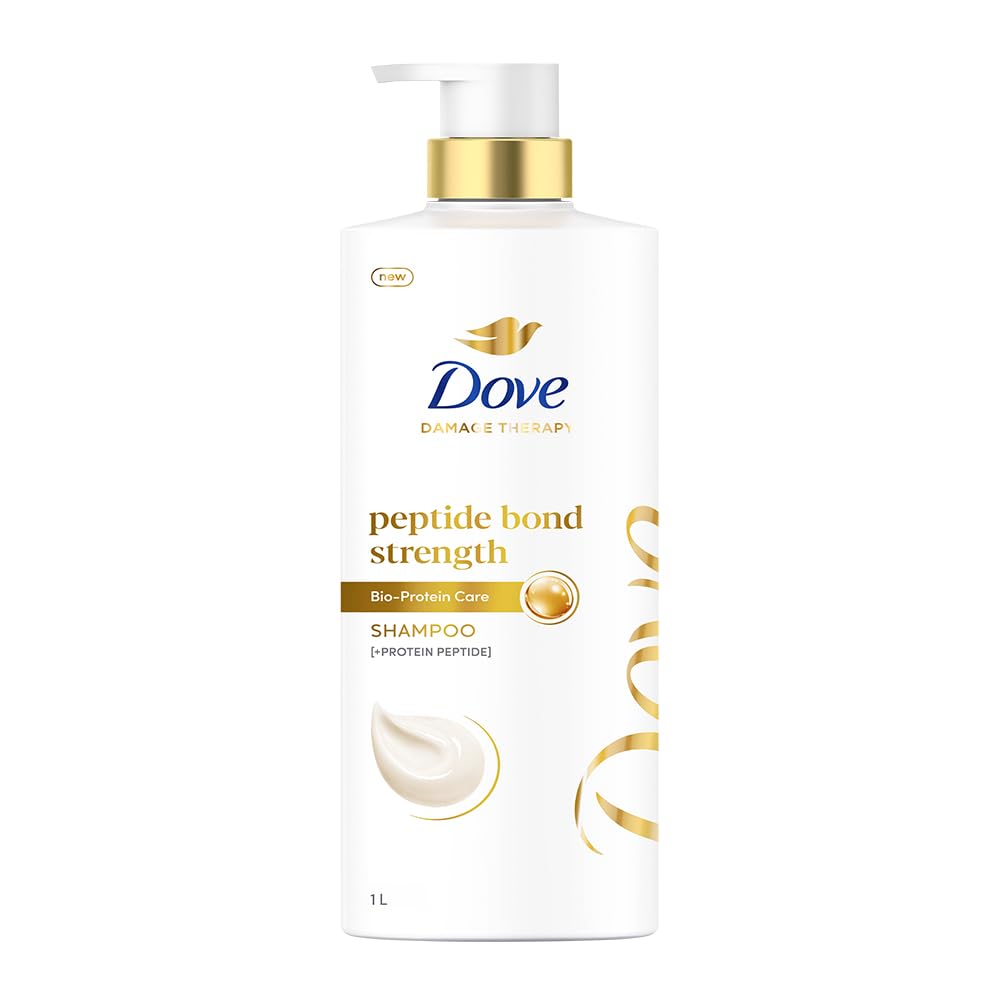 Dove Peptide Bond Strength Bio-Protein Care Shampoo
See the analysis
-
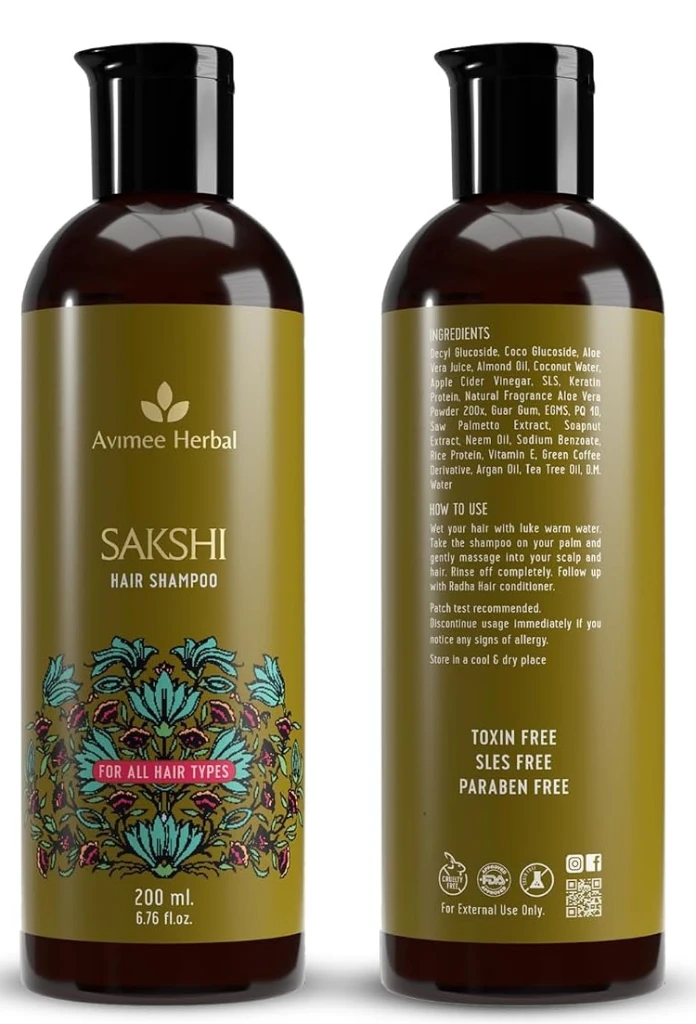 Avimee Herbal Sakshi Hair Shampoo For All Hair Types
See the analysis
-
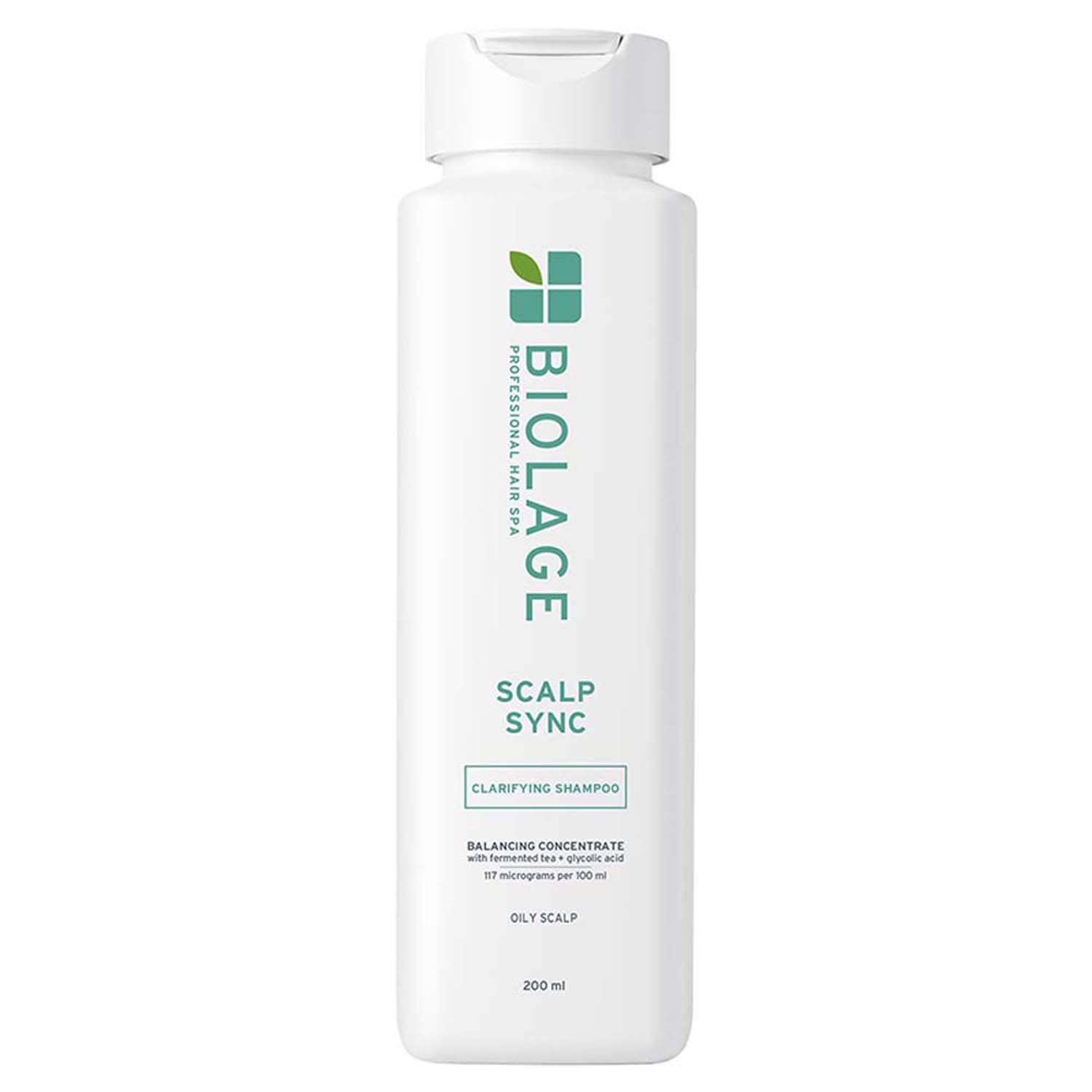 BIOLAGE Scalp Sync Clarifying Shampoo
See the analysis
-
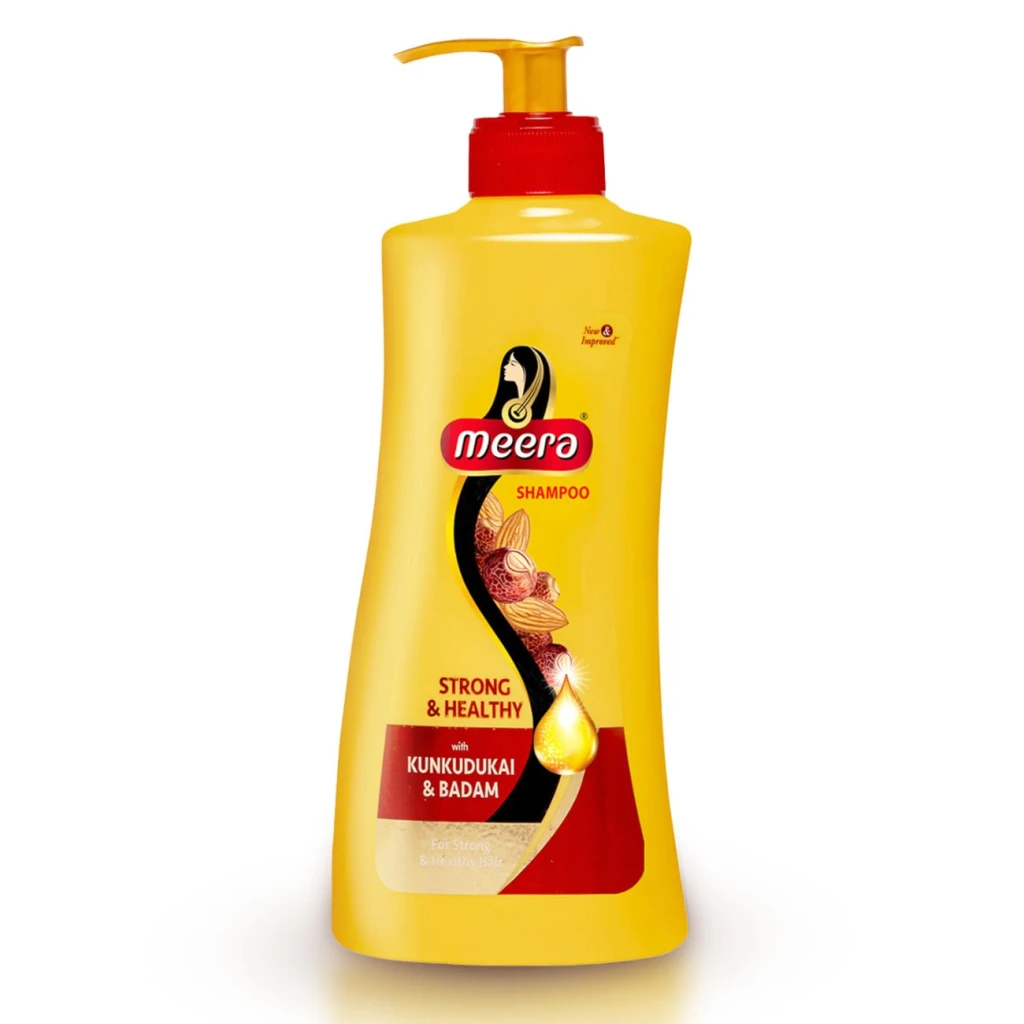 meera Shampoo Strong & Healthy with Kunkudukai & Badam
See the analysis
-
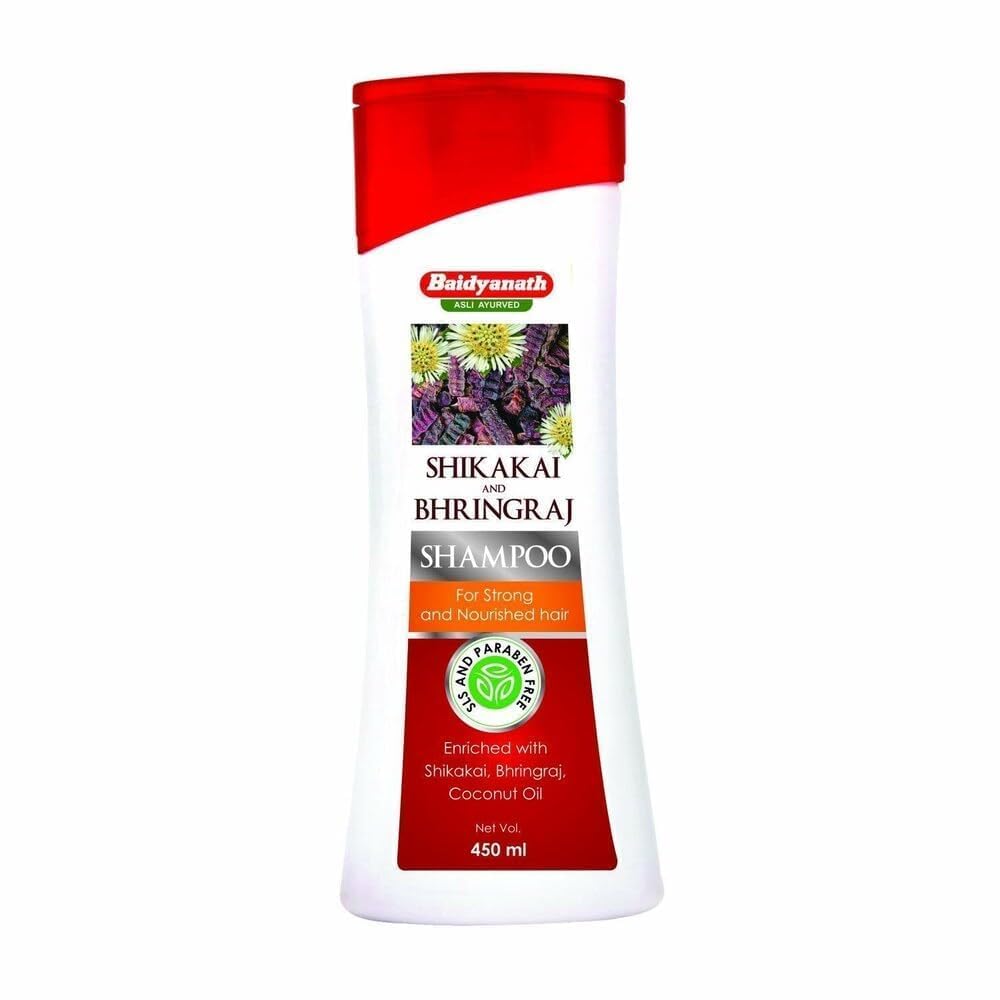 Baidyanath Shikakai And Bhringraj Shampoo
See the analysis
-
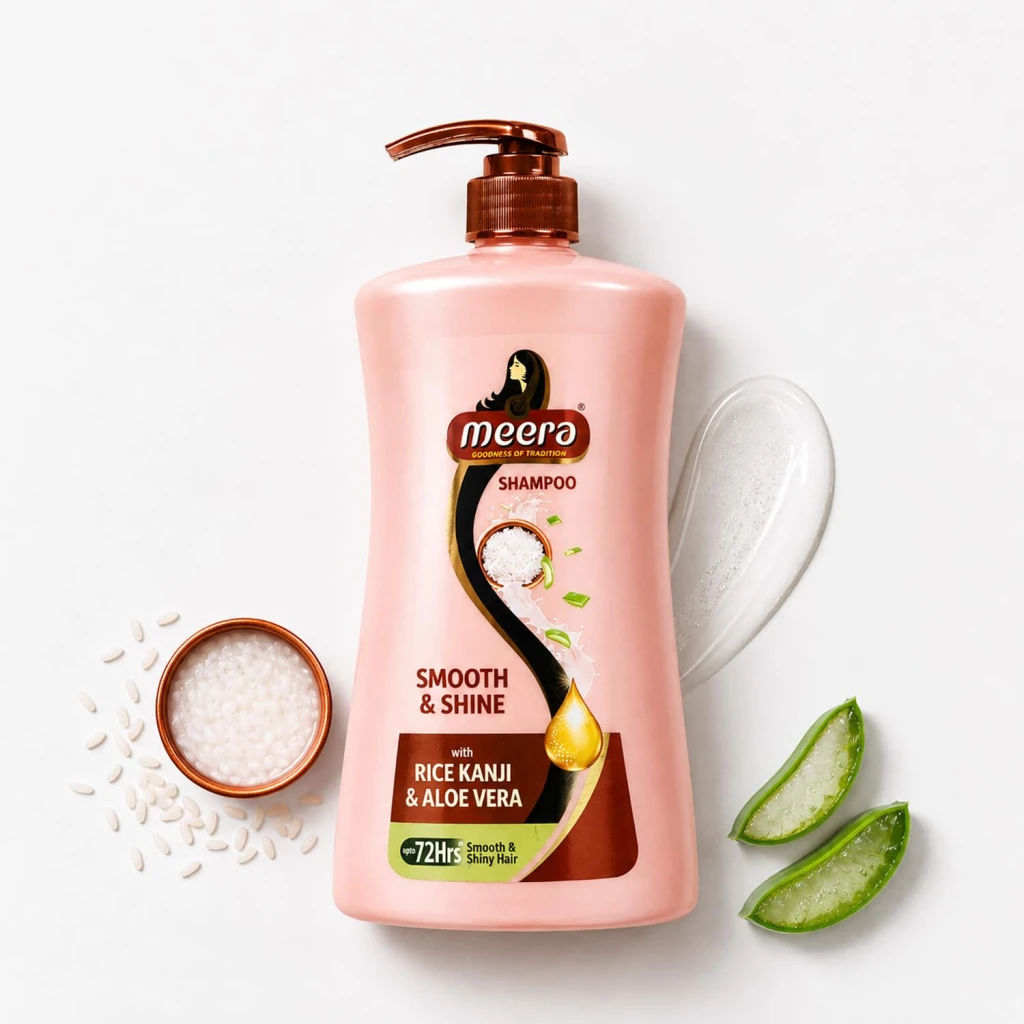 meera Smooth & Shine Shampoo with Rice Kanji & Aloe Vera
See the analysis
What are the ingredients in Scalp+ Hair Therapy Density Boost Strengthening Shampoo?
The label of Scalp+ Hair Therapy Density Boost Strengthening Shampoo lists 19 ingredients, in label order: Water, Sodium C14-16 Olefin Sulfonate, Sodium Laureth Sulfate, Sodium Gluconate, Dimethiconol, Sodium Chloride, Guar Hydroxypropyltrimonium Chloride, Fragrance, Hydrolyzed Yeast Protein, Niacinamide, Zinc Gluconate, Sodium Benzoate, Potassium Sorbate, PEG-45M, Disodium EDTA, Sodium Hydroxide, Citric Acid, Limonene, Linalool. Flagged by the analysis: Sodium C14-16 Olefin Sulfonate, Sodium Laureth Sulfate, Fragrance, PEG-45M, Disodium EDTA.
Is Scalp+ Hair Therapy Density Boost Strengthening Shampoo safe to use?
Scalp+ Hair Therapy Density Boost Strengthening Shampoo scores 5.0/10 on Decode Label (Moderate). This shampoo contains strong cleansing agents like Sodium C14-16 Olefin Sulfonate and Sodium Laureth Sulfate, which can be harsh for sensitive skin. It also includes 'Fragrance', an undisclosed blend that is a common allergen. While some beneficial ingredients are present, they are in low concentrations.
Why does Scalp+ Hair Therapy Density Boost Strengthening Shampoo score 5.0/10?
Flagged in the score: Presence of strong anionic surfactants (Sodium C14-16 Olefin Sulfonate, Sodium Laureth Sulfate) which may be irritating. Undisclosed 'Fragrance' blend, a common allergen. Potential for 1,4-dioxane impurity from ethoxylated ingredients like Sodium Laureth Sulfate and PEG-45M.
Who should avoid Scalp+ Hair Therapy Density Boost Strengthening Shampoo?
The points the analysis notes are most relevant to: Sensitive skin or scalp; Fragrance allergy; Avoiding ethoxylated ingredients (due to 1,4-dioxane impurity concern).
Does Scalp+ Hair Therapy Density Boost Strengthening Shampoo contain allergens?
Yes — the label lists 2 fragrance allergens: Limonene and Linalool. These matter mainly if you have sensitive skin or a known fragrance allergy.
Does Scalp+ Hair Therapy Density Boost Strengthening Shampoo contain fragrance?
Yes — the ingredient list includes Fragrance. Fragrance is declared as a single ingredient, so the individual scent chemicals in it are not named; the label does separately list 2 fragrance allergens (Limonene and Linalool). This matters mainly if you have sensitive skin or a known fragrance allergy.
Are the claims on the Scalp+ Hair Therapy Density Boost Strengthening Shampoo pack accurate?
Decode Label checked 5 claims against the ingredient list and nutrition panel. "DENSITY BOOST" — can't be verified from the label. "STRENGTHENING SHAMPOO" — can't be verified from the label.
Answers are generated from this product's own Decode Label analysis — the score, the ingredient list and the label claims shown above. Always check the pack itself for allergen and dietary information.
Reader reviews
How the product performed for people who used it — taste, value, everyday experience. Separate from the Decode Label score above, which rates what is on the label.
Sign in to leave a review.
Sign in →No reviews yet — be the first to share your experience.
Help us keep this accurate
Two quick questions about our analysis — not about the product.
Was this analysis helpful?
Tells us whether the breakdown above actually answered your question.
0 of 0 readers found this analysis helpful
Does your pack match this page?
Recipes change and packs get reformulated. If the ingredients or the panel on the pack in your hand differ from what we show, tell us and we will check it.
About this analysis: Based on declared label information and available evidence. Decode Label does not independently laboratory-test products, and a score is not a regulatory determination or medical advice.
Disclaimer: Safety scores are Decode Label-generated assessments based on publicly available regulatory data (FSSAI, WHO, EFSA, IARC) and peer-reviewed research. They are not a substitute for professional medical advice, and they are not a regulatory determination, a laboratory safety certification or a medical diagnosis. Ingredient safety can vary by individual health conditions, concentration, and usage context. Decode Label is an independent information service and scores every brand by the same rules. No brand pays for or influences its score. Our founder also founded the personal-care brand Botani Bestie (see our story); its products are scored exactly like everyone else's. Data limitations: This assessment is based on the information declared on the product label and the evidence sources above — Decode Label does not independently laboratory-test this product. Ingredient concentrations, sourcing and manufacturing can vary between batches and are not always disclosed. A finding that is not shown here means it was not identified from the available label information, not that it has been ruled out.
Report Error
If you believe this score is inaccurate, provide details below. Our team reviews every report and will update the rating if warranted.
Report submitted
Our team will review your report and update the rating if the evidence warrants it. Thank you for helping keep our data accurate.
Share this product
Scalp+ Hair Therapy Density Boost Strengthening Shampoo
Link copied — paste it in your Instagram bio or Story!