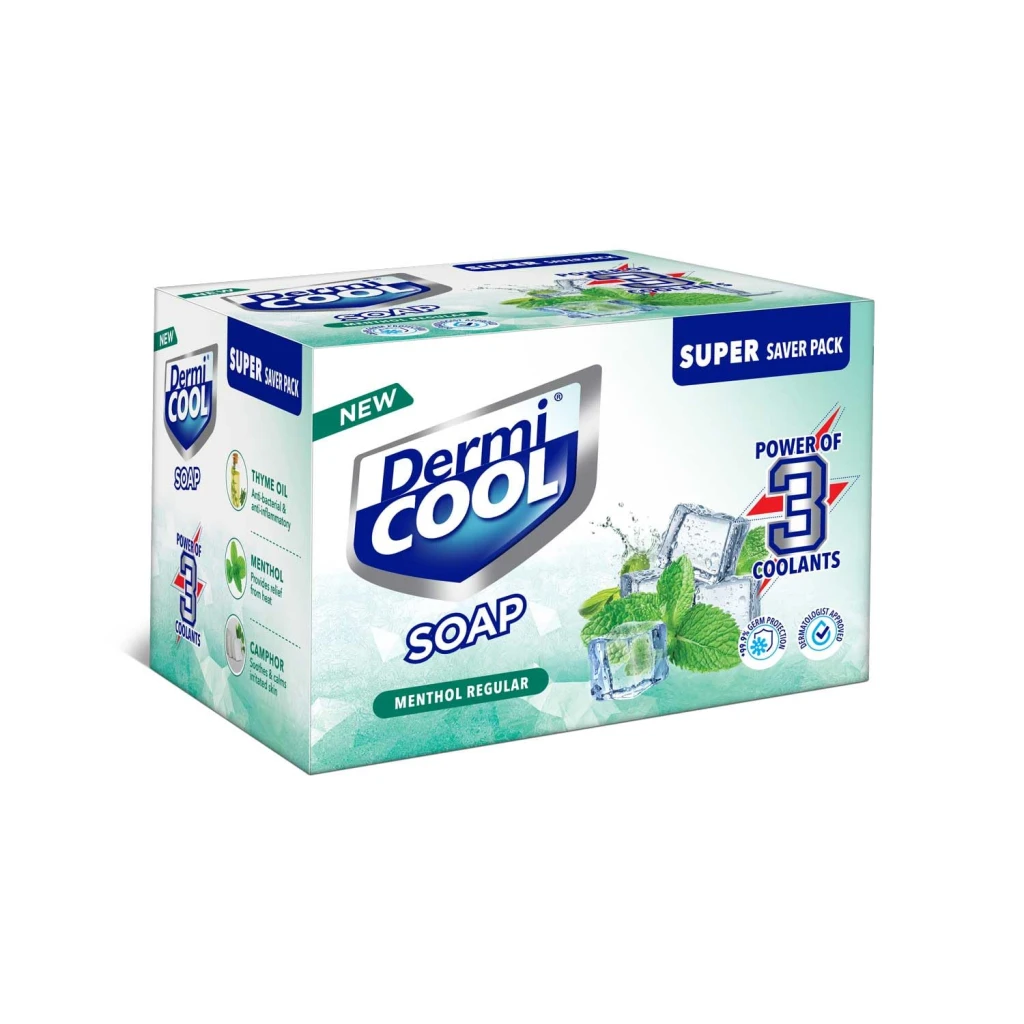
Pack image shown to identify the product. Decode Label is independent of Dermi COOL and is not sponsored or endorsed by it. Trademarks
Soap Menthol Regular
Decode Label Safety Score
How we got 3.9 ShowHide
Methodology v3.1 (updated 8 Oct 2026) — what changed
The score is capped for a specific safety reason, set out below. This bathing bar contains a traditional saponified soap base, but its safety profile is significantly impacted by the presence of triclocarban, an antibacterial agent with endocrine concerns that is banned from rinse-off consumer antiseptic products in the US. The undisclosed 'Fragrance' is a common source of allergens for sensitive individuals. While the menthol and camphor provide a cooling sensation, they also carry cautions for young children if ingested. This product is best avoided by individuals with sensitive skin, fragrance allergies, or those concerned about endocrine-disrupting chemicals and talc.
At a glance
From the declared label — not a lab testFindings to weigh
Contains triclocarban (endocrine concern) and talc (IARC 2B classification)
The score is capped for a specific safety reason, set out below. Contains talc — a mineral that IARC classified in 2024 as "probably carcinogenic to humans" (Group 2A), can be contaminated with asbestos, and whose long-term perineal use has been linked to ovarian cancer. This bathing bar contains triclocarban, an antibacterial ingredient banned from rinse-off products in the US due to endocrine concerns. The product uses an undisclosed 'Fragrance' blend, which can be problematic for people with sensitive skin or fragrance allergies. Menthol and camphor are present for a cooling effect, but require caution around young children due to ingestion risks.
Consider this product carefully if you are
- Avoiding certain additives or colours — Talc and Triclocarban are declared.
Personal check · free
Is this right for you or your family?
Just checking whether the product is safe? The analysis above is yours, no account needed. To know if it is safe for you, your father or your child, add a profile and we check this label against them.
- Ingredients you avoid. Sulphates, parabens, silicones, fragrance, drying alcohol, PEGs and more.
- Sensitivities. Sensitive skin, hormonal considerations, pregnancy.
- Skin and hair goals. Acne, dryness, ageing, hair fall, dandruff: what the label declares for each.
- Everyone you buy for. Save a profile for each person and switch in one tap.
Concern breakdown
Score out of 10 · higher = fewer concernsHow this product performs on each concern we check for bath body. This is a breakdown of the same evidence behind the score above — not a separate verdict.
Triggered by Talc.
Why the score is capped
Contains an ingredient flagged for endocrine-disruption concern
Rule PC-CAP-07
Contains an ingredient with an IARC carcinogen classification (e.g. talc)
Rule PC-CAP-11 · Source: IARC carcinogen classification
Undisclosed fragrance (allergens not named)
Rule PC-CAP-06
Watch out for
Presence of triclocarban, an antibacterial with endocrine concerns and US ban in rinse-off products.
Undisclosed 'Fragrance' may contain common allergens.
Menthol and Camphor require caution for use around young children.
Saponified soap base (Sodium Palmate, Sodium Palm Kernelate) can be alkaline and potentially drying to the skin.
CI 74160 — permitted cosmetic colourant - the EU limits where on the body each may be used.
Disodium EDTA — disodium EDTA is a chelating agent that keeps a product stable and clear. It has been flagged in some studies for potential endocrine-disrupting properties; regulatory consensus is not yet established, so it is noted as a low-level concern rather than a confirmed hazard.
Ingredient Concerns safety database
Sources cited below may be Indian (FSSAI) or international (EU, US, WHO, IARC) — an international classification or law is evidence, not an Indian regulatory finding.
Talc
In July 2024 the International Agency for Research on Cancer classified talc as probably carcinogenic to humans (Group 2A), citing limited evidence of ovarian cancer in people and strong evidence of carcinogenic mechanisms. Talc that contains asbestos-like fibres is a separate, established carcinogen (Group 1), and talc can occur naturally alongside asbestos, which is why testing of the source matters. The classification rests mostly on perineal and inhalation exposure, so a rinse-off use is a lower exposure than a loose powder. Cornstarch-based powders avoid the question.
Regulatory & scientific authority Source: IARC Monographs Volume 136 (2024), talc; US FDA talc testing programme
Talc: regulation, sources and other products →Triclocarban
Triclocarban is an antibacterial agent structurally related to triclosan. It amplifies the activity of testosterone and oestrogen in laboratory assays, and the US FDA banned it from consumer antiseptic washes in 2016 after manufacturers failed to show it was both safe for long-term use and more effective than plain soap. It also persists in the environment.
Regulatory & scientific authority Source: US FDA Final Rule 81 FR 61106 (2016); Chen et al., Endocrinology 2008
Triclocarban: regulation, sources and other products →Menthol and Peppermint Oil
Menthol, the main component of peppermint oil, can trigger a reflex that slows or stops breathing in babies when applied or inhaled near the face. The European Medicines Agency herbal monograph for peppermint oil contraindicates it under 2 years of age because of this laryngospasm risk, and does not recommend it between 2 and 4 years because there is not enough experience. For adults and older children it is a normal cooling and flavouring agent in toothpaste and body products, and can irritate sensitive skin at higher strengths.
Regulatory & scientific authority Source: EMA/HMPC European Union herbal monograph on Mentha x piperita L., aetheroleum
Menthol and Peppermint Oil: regulation, sources and other products →Camphor
Camphor gives a cooling, medicinal sensation and is a traditional ingredient in Ayurvedic oral-care and balm products. Swallowed in quantity it is toxic: a US poison-centre practice guideline refers anyone who has swallowed more than 30 mg of camphor per kg of body weight to an emergency department, because convulsions can follow. That threshold is far above what normal brushing involves, and the label does not show how much camphor a dose of this product carries, so this is a caution about young children who swallow toothpaste, not a finding of harm from ordinary use. In the US, camphorated oil drug products need new-drug approval.
Peer-reviewed research Source: Manoguerra AS et al., Camphor Poisoning: An Evidence-Based Practice Guideline for Out-of-Hospital Management, Clinical Toxicology 44:357–370 (2006), American Association of Poison Control Centers; US FDA 21 CFR 310.502(a)(4)
Camphor: regulation, sources and other products →Fragrance
"Fragrance" or "parfum" is a catch-all term that can conceal a blend of hundreds of undisclosed chemicals, including known allergens, sensitisers, and potential endocrine disruptors. The EU now mandates disclosure of 82 specific fragrance allergens. People with fragrance sensitivity, asthma, or contact dermatitis should prefer fragrance-free products.
Regulatory & scientific authority Source: EU Regulation 2023/1545; IFRA
Fragrance: regulation, sources and other products →Synthetic Cosmetic Colourants (CI)
These Colour Index (CI) numbers are colourants on the EU list of permitted cosmetic colours, each with conditions on where it may be used (for example, some are allowed only in products that do not stay in contact with mucous membranes). A listed colour in a product used as directed is not a finding of harm; the colour serves only to colour the product, and this is information for anyone who prefers to avoid synthetic dyes.
Regulatory & scientific authority Source: EU Regulation 1223/2009 Annex IV (permitted colourants); SCCS opinions on colourants
Synthetic Cosmetic Colourants (CI): regulation, sources and other products →Decode Label Analysis
Contains Triclocarban, an antibacterial agent with endocrine concerns, banned from rinse-off consumer antiseptic wash products in the US by the FDA.
Contains undisclosed 'Fragrance', a common source of allergens for sensitive individuals. Specific fragrance allergens are not listed.
Contains Menthol and Camphor, which can pose risks to infants and toddlers if ingested or applied near the face (breathing reflex risk, seizure risk if swallowed in quantity).
Claim check
Front-of-pack marketing claims checked against this product's actual ingredients and nutrition. "Can't verify" means the label does not provide enough information to check the claim — it is not the same as the claim being false.
The claim 'NEW' is a temporal marketing statement that cannot be verified from the ingredient list or other static label information.
This describes the product’s packaging or its category, not a testable attribute of the food itself — so it’s classified separately rather than flagged as a doubtful claim.
The claim 'DERMATOLOGIST APPROVED' is a certification or endorsement that cannot be verified from the ingredient list.
The product contains Menthol, Camphor, and Thyme Oil, which are presented as the '3 coolants'.
Thyme oil is listed in the ingredients.
Menthol is listed in the ingredients.
Camphor is listed in the ingredients.
The label declares Triclocarban — a registered antimicrobial agent, which is what a germ-protection claim rests on. The ingredient list supports the claim (note that the same biocide is flagged separately as a safety concern).
Menthol is listed as an ingredient in the product.
Read straight from the back-of-pack photo — quantities, sections and any disguised terms, so the small print can’t hide behind the marketing.
-
1.
Sodium PalmateSODIUM PALMATE
-
2.
Sodium Palm KernelateSODIUM PALM KERNELATE
-
3.
WaterAQUA
-
4.
TalcTALC
-
5.
Fragrance undisclosed fragrancePERFUME
-
6.
MentholMENTHOL
-
7.
Sodium ChlorideSODIUM CHLORIDE
-
8.
TriclocarbanTRICLOCARBAN
-
9.
Disodium EDTADISODIUM EDTA
-
10.
CamphorCAMPHOR
-
11.
Thymus Vulgaris Oil trace amountTHYMUS VULGARIS (THYME) OIL
-
12.
CI 74160 synthetic colour
Trace amounts: some named ingredients appear in token quantities or low in the list. At these concentrations a meaningful benefit is unlikely, and their front-of-pack prominence may not reflect their level in the formulation.
In label order — normally largest quantity first. Select a row for the full write-up and sources.
Fragrance allergens are substances EU cosmetics rules require to be named on the label (such as Limonene and Linalool). Fragrant botanicals such as essential oils are grouped with them because they can naturally contain such substances, but they are not on that list. They matter mainly for people with fragrance allergies or already-sensitive skin — not a general-population safety issue. Each named allergen takes a small deduction from the ingredient score, and a high count can cap it; fragrant botanicals take none. Naming them on the label is a transparency positive.
✓ Decode Label Assessment: Favorable ⚠ Decode Label Assessment: Concern Decode Label Assessment: Neutral
Who should take caution
About this ingredient
Declared on this label as
No detailed safety data in our database yet for this ingredient.
Learn More
Compare with other soap products
Assessed using the same Decode Label methodology, sorted by score. Each score reflects the information available for that product at the time of assessment.
Also on this shelf
More Soap & Bathing Bar products we've analysed, in name order.
-
 Savlon Savlon Cool Bathing Soap Bar
See the analysis
-
 Savlon Savlon Moisturizing Glycerin Bathing Soap Bar
See the analysis
-
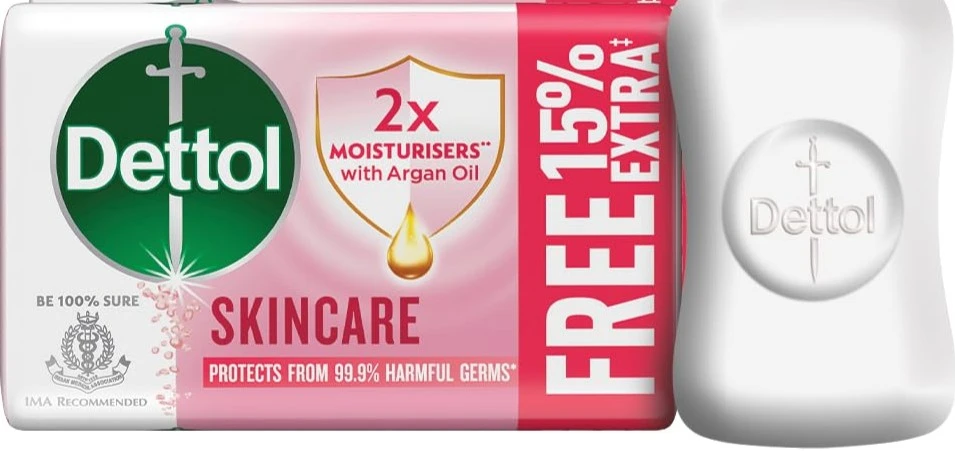 Dettol Skincare Soap
See the analysis
-
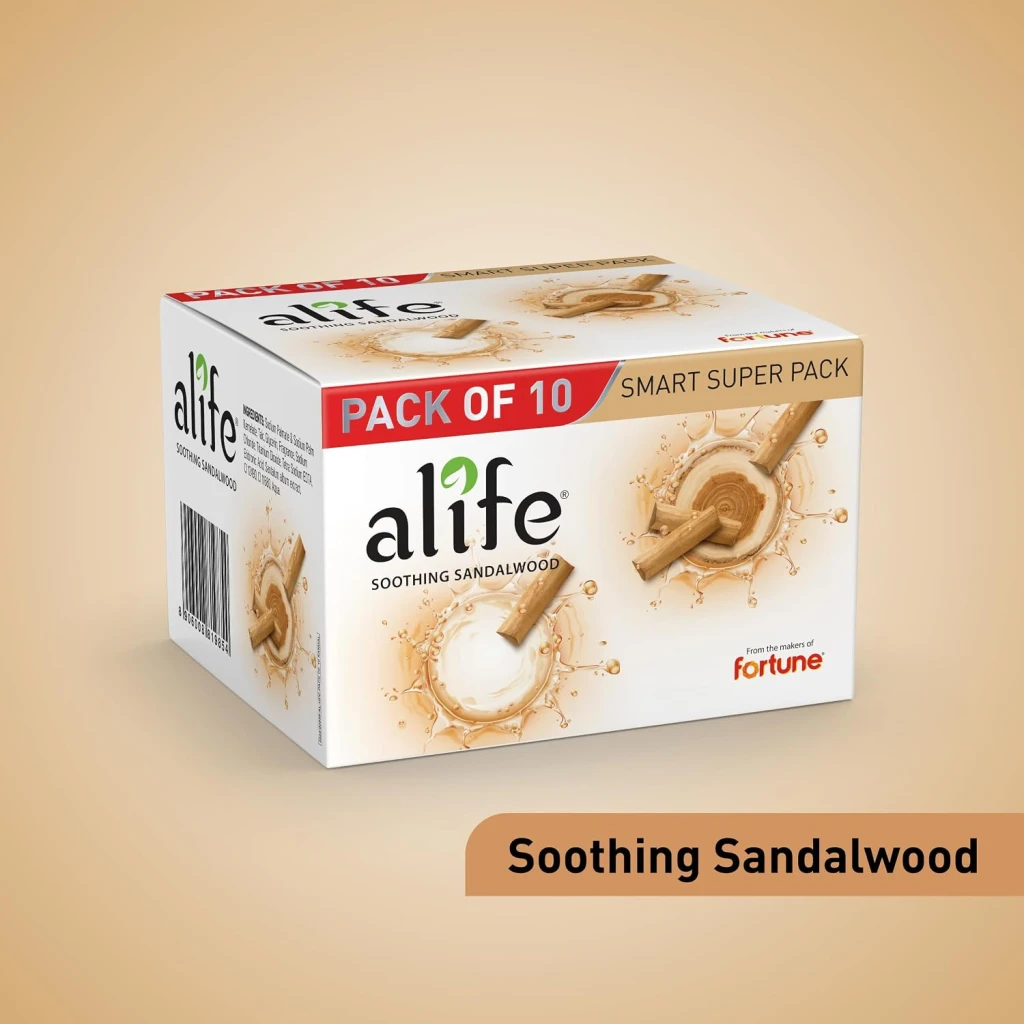 alife Soothing Sandalwood
See the analysis
-
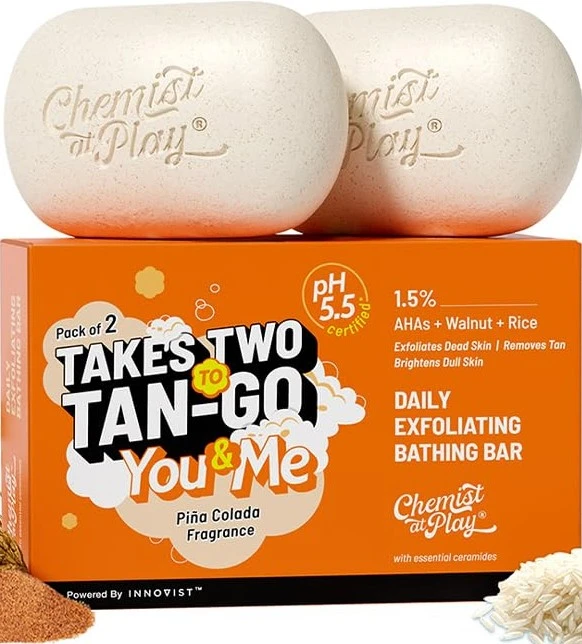 Chemist at Play Takes Two To Tan-Go You & Me Daily Exfoliating Bathing Bar Piña Colada Fragrance
See the analysis
-
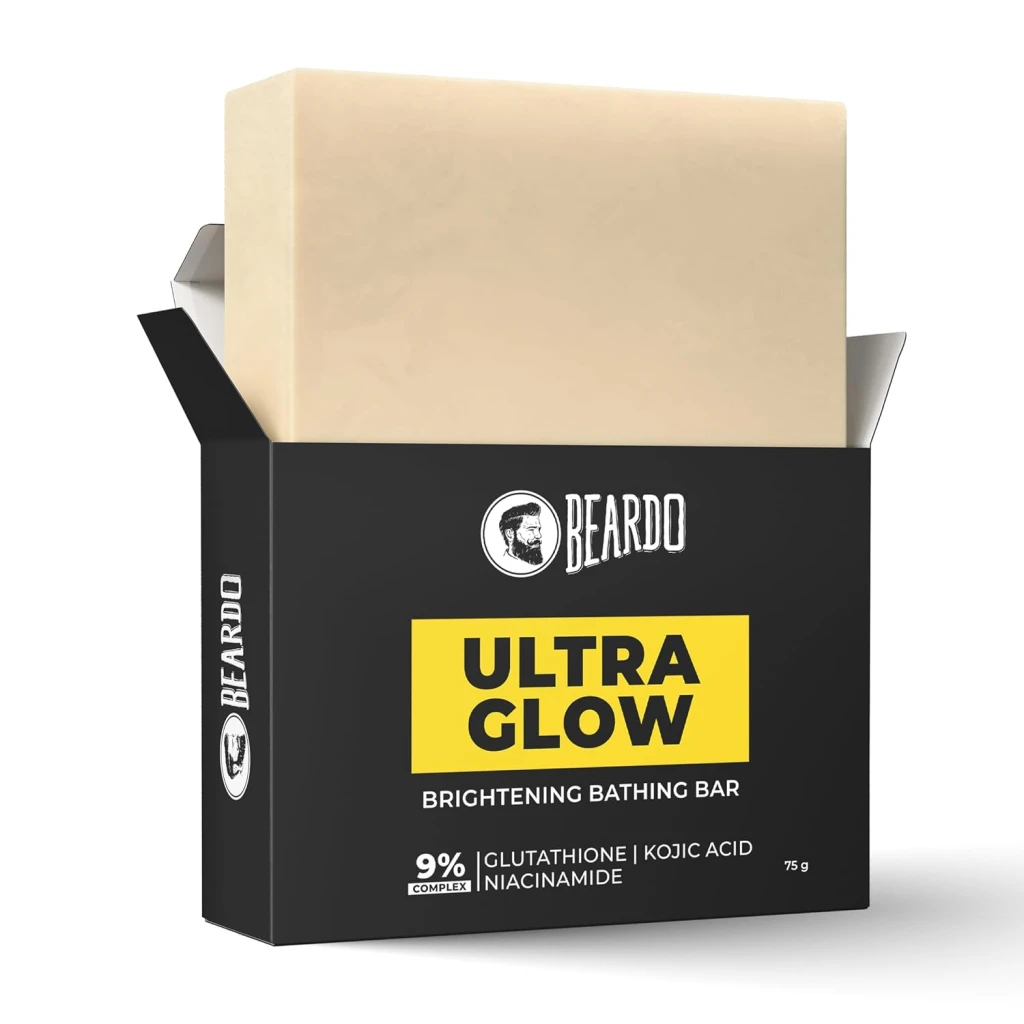 Beardo Ultra Glow Brightening Bathing Bar
See the analysis
What are the ingredients in Soap Menthol Regular?
The label of Soap Menthol Regular lists 12 ingredients, in label order: SODIUM PALMATE, SODIUM PALM KERNELATE, Water, Talc, Fragrance, Menthol, Sodium Chloride, Triclocarban, Disodium EDTA, Camphor, Thymus Vulgaris Oil, CI 74160. Flagged by the analysis: Talc, Triclocarban, Fragrance, Menthol, CI 74160 and 1 more.
Is Soap Menthol Regular safe to use?
Soap Menthol Regular scores 3.9/10 on Decode Label (Concerning). The score is capped for a specific safety reason, set out below. Contains talc — a mineral that IARC classified in 2024 as "probably carcinogenic to humans" (Group 2A), can be contaminated with asbestos, and whose long-term perineal use has been linked to ovarian cancer. This bathing bar contains triclocarban, an antibacterial ingredient banned from rinse-off products in the US due to endocrine concerns. The product uses an undisclosed 'Fragrance' blend, which can be problematic for people with sensitive skin or fragrance allergies. Menthol and camphor are present for a cooling effect, but require caution around young children due to ingestion risks.
Why does Soap Menthol Regular score 3.9/10?
Flagged in the score: Presence of triclocarban, an antibacterial with endocrine concerns and US ban in rinse-off products. Undisclosed 'Fragrance' may contain common allergens. Menthol and Camphor require caution for use around young children.
Who should avoid Soap Menthol Regular?
The points the analysis notes are most relevant to: Sensitive skin or fragrance allergies; Avoiding endocrine-disrupting chemicals; Avoiding IARC Group 2B classified ingredients (talc); Infants and toddlers (menthol, camphor).
Does Soap Menthol Regular contain allergens?
Yes — the label lists a fragrant botanical (Camphor) that can naturally contain fragrance allergens. These matter mainly if you have sensitive skin or a known fragrance allergy.
Does Soap Menthol Regular contain fragrance?
Yes — the ingredient list includes Fragrance. Fragrance is declared as a single ingredient, so the individual scent chemicals in it are not named. This matters mainly if you have sensitive skin or a known fragrance allergy.
Are the claims on the Soap Menthol Regular pack accurate?
Decode Label checked 8 claims against the ingredient list and nutrition panel. "NEW" — can't be verified from the label. "DERMATOLOGIST APPROVED" — can't be verified from the label.
Answers are generated from this product's own Decode Label analysis — the score, the ingredient list and the label claims shown above. Always check the pack itself for allergen and dietary information.
Reader reviews
How the product performed for people who used it — taste, value, everyday experience. Separate from the Decode Label score above, which rates what is on the label.
Sign in to leave a review.
Sign in →No reviews yet — be the first to share your experience.
Help us keep this accurate
Two quick questions about our analysis — not about the product.
Was this analysis helpful?
Tells us whether the breakdown above actually answered your question.
0 of 0 readers found this analysis helpful
Does your pack match this page?
Recipes change and packs get reformulated. If the ingredients or the panel on the pack in your hand differ from what we show, tell us and we will check it.
About this analysis: Based on declared label information and available evidence. Decode Label does not independently laboratory-test products, and a score is not a regulatory determination or medical advice.
Disclaimer: Safety scores are Decode Label-generated assessments based on publicly available regulatory data (FSSAI, WHO, EFSA, IARC) and peer-reviewed research. They are not a substitute for professional medical advice, and they are not a regulatory determination, a laboratory safety certification or a medical diagnosis. Ingredient safety can vary by individual health conditions, concentration, and usage context. Decode Label is an independent information service and scores every brand by the same rules. No brand pays for or influences its score. Our founder also founded the personal-care brand Botani Bestie (see our story); its products are scored exactly like everyone else's. Data limitations: This assessment is based on the information declared on the product label and the evidence sources above — Decode Label does not independently laboratory-test this product. Ingredient concentrations, sourcing and manufacturing can vary between batches and are not always disclosed. A finding that is not shown here means it was not identified from the available label information, not that it has been ruled out.
Report Error
If you believe this score is inaccurate, provide details below. Our team reviews every report and will update the rating if warranted.
Report submitted
Our team will review your report and update the rating if the evidence warrants it. Thank you for helping keep our data accurate.
Share this product
Soap Menthol Regular
Link copied — paste it in your Instagram bio or Story!